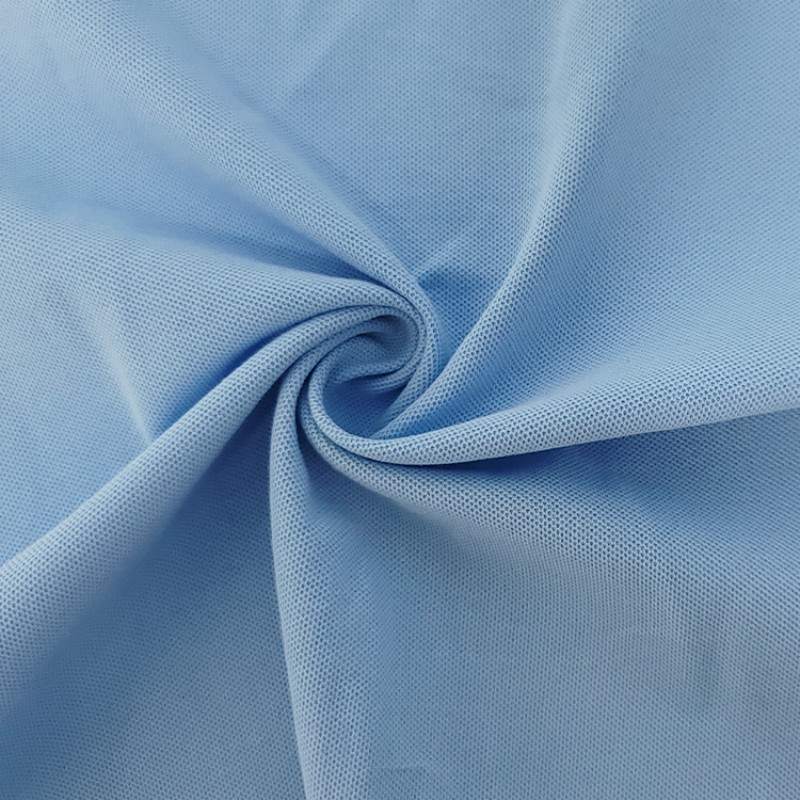
Piqué is a fabric with a distinctive raised texture. It is strong, durable, and timeless, often featuring a waffle-like pattern. This fabric is typically made of cotton or blended fibers and is favored for its breathability. Its durability makes it versatile, which is why many people choose piqué for various occasions.
Key Takeaways
- Piqué fabric features a unique textured surface. This texture facilitates airflow and also enhances the fabric’s durability. Therefore, it’s ideal for hot weather and is often used in sportswear.
- Pique fabric has a wide range of uses. It’s commonly used to make polo shirts and sportswear, and also for home items such as tea towels and bathrobes. As you can see, pique fabric has a very wide range of applications.
- Pique fabric also requires some care. It’s recommended to wash it in cold water and let it air dry naturally. This helps maintain the fabric’s appearance and extend its lifespan.
Pique Fabric Overview
What is Piqué Fabric?
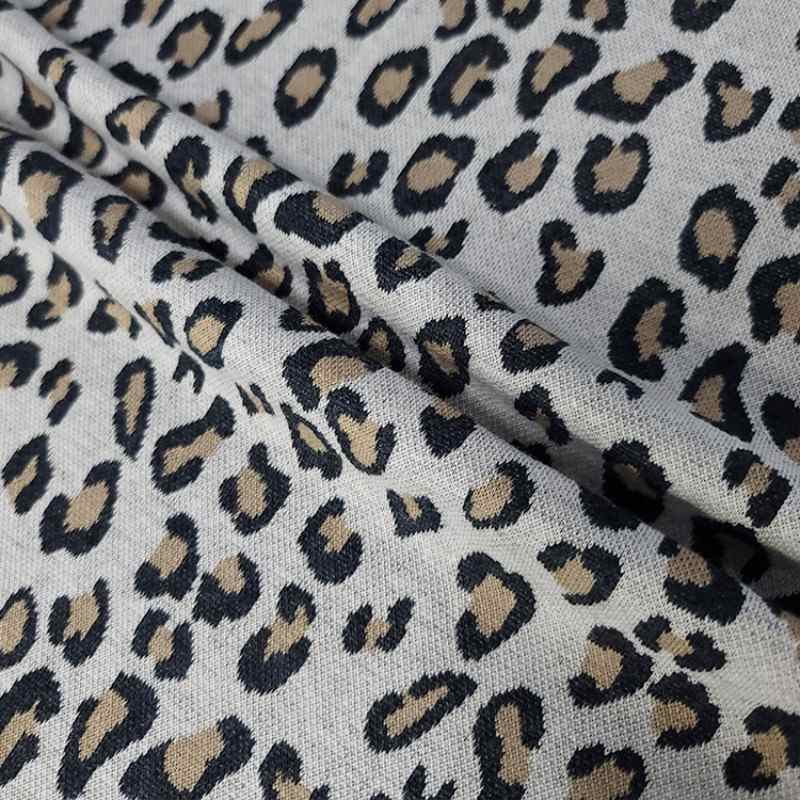
Pique fabric is easily recognizable by its raised texture. It was first made in 18th-century England, inspired by the quilting technique of southern France. Early manufacturers used a double-layer weaving process, making the fabric strong, durable, and breathable. The advent of jacquard looms made it faster to create intricate patterns, lowering the price and making pique fabric more accessible. By the 20th century, pique fabric was used to make sportswear such as tennis shirts and golf shirts.
Pique fabric has a surface covered with tiny raised bumps, resembling rows of pearls. This gives it a unique look and feel. This fabric is made from cotton, polyester, or a blend of both. Cotton pique is soft and comfortable against the skin. Blended pique is comfortable to wear and more durable. Cotton pique is often used to make polo shirts and casual wear.
Key Characteristics of Piqué Fabric
Pique fabric has multiple uses. Its raised texture creates tiny channels that facilitate airflow, resulting in excellent breathability. Studies have shown that piqué fabric is 20-30% more breathable than plain knit fabrics. Therefore, piqué fabric is ideal for warm weather and sportswear.
Pique fabric uses a double-layer weave or special knitting process, making it durable and possessing excellent moisture-wicking properties. Cotton piqué fabric absorbs sweat and keeps you dry. Piqué blends also have moisture-wicking properties, making them especially suitable for sportswear and uniforms. Piqué fabric is easy to wash and wrinkle-resistant, making it suitable for making home furnishings such as tea towels, bed sheets, and bathrobes.
The Manufacturing Process of Piqué Fabric
Pique fabric is made using a special weaving or knitting method. Its manufacturing process determines the fabric’s appearance and performance. Traditional pique fabric uses a double-layer weaving process to create a raised textured surface. This helps the fabric breathe and extends its lifespan. Modern knitted pique fabric uses pleating stitches to create the raised texture and tiny air pores.
| Fabric Type | Construction Method | Outcome Characteristics |
|---|---|---|
| Pique Fabric | Specialized weaving technique | Raised, textured surface; enhances breathability and durability |
| Knit Cotton | Interlocking yarns through knitting | Smooth, stretchy; more flexible but less structured |
Piqué cotton and blended fabrics are meticulously crafted by companies that rigorously control every stage of production. Brands such as Starke, TexStyle, KnitPro, FiberTech, and GlobalTextiles allow customers to choose the fabric’s composition, weight, and properties. Starke holds certifications such as OEKO-TEX Standard 100 and Global Recycling Standard (GRS), demonstrating their commitment to both quality and the environment.
The unique feature of piqué fabric is its raised texture. The front has a slightly grainy feel and a beautiful appearance; the back is smooth and flat. These characteristics make piqué fabric ideal for making clothing, sportswear, and home furnishings.
| Feature | Piqué Fabric | Mesh Fabric |
|---|---|---|
| Weaving Pattern | Specialized knit with tuck-stitch pattern | Knitted or woven variations with plain or twill |
| Surface Texture | Raised micro-particles resembling aligned pearls | Open, porous matrix with larger cell diameters |
| Reverse Side | Smooth, flat-knit | Consistent surface pattern across both sides |
As manufacturers continue to experiment with new blending and finishing processes, piqué fabric is constantly evolving. Customization options and eco-certifications enable piqué to meet today’s demands. Piqué blends are moisture-wicking, keeping you comfortable and helping you perform at your best. This is why piqué has become the fabric of choice for numerous textile projects.
Different Types of Pique and Uses
Types of Piqué Fabric
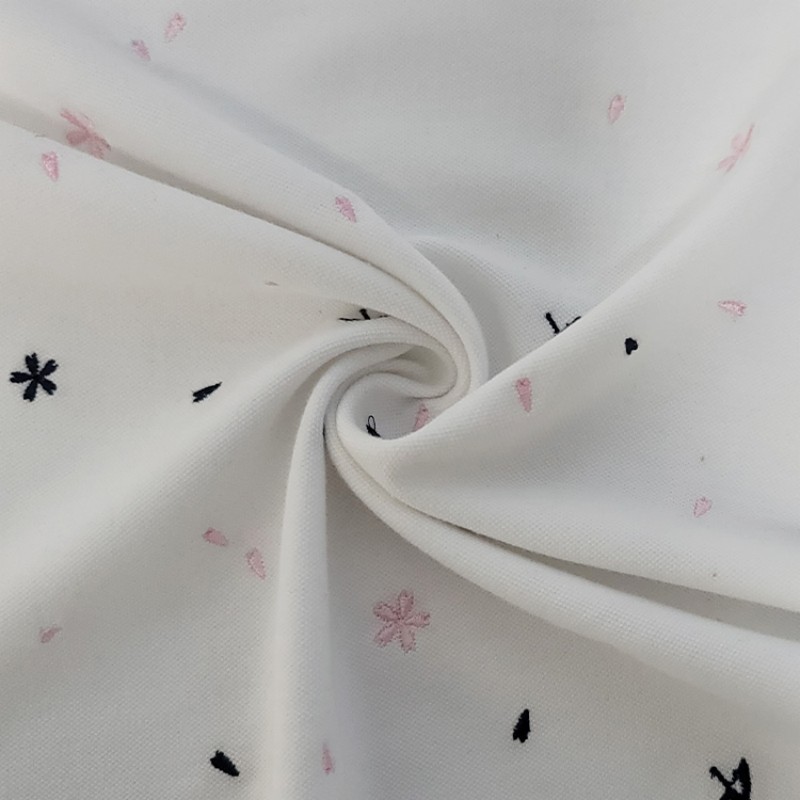
Pique fabric is mainly divided into several types, each with its unique appearance and feel. Common types include waffle quilting, honeycomb quilting, and double-layered pique fabric. Waffle quilting has a grid-like surface, a firm feel, and is not easily deformed. Honeycomb quilting is composed of small hexagons, offering better breathability. Double-layered pique fabric is made of two layers of fabric, making it thicker and more durable.
| Fabric Type | Characteristics | Weight Range | Stretch | Best For | Advantages | Disadvantages |
|---|---|---|---|---|---|---|
| Pique | Textured knit fabric with a distinctive waffle-like or honeycomb surface pattern | 180–250 GSM | Moderate | Polo shirts, golf shirts, tennis tops | Breathable, textured appearance, holds shape well | Less soft than jersey, heavier |
Common Uses of Piqué Fabric
Pique fabric is widely used in various garments. Its most common use is in making polo shirts. These shirts are stylish, comfortable, and sporty. Piqué T-shirts are suitable for hot weather. Medium-weight piqué is suitable for making sweatshirts and pullovers. Piqué is used in sportswear because it is breathable and absorbent. Piqué dresses and skirts are soft, comfortable, and resistant to deformation. Blazers and jackets are also often made of piqué to create a sharp and sophisticated look.
Comparison of Piqué Fabric with Other Fabrics
Pique fabric differs from knitted fabrics and other fabrics. Piqué is very strong and durable, and comfortable to wear. It is breathable and quickly wicks away sweat from the skin. While knitted fabrics are soft, they are prone to deformation and pilling. Piqué blended with polyester retains its shape better and has superior sweat absorption.
| Fabric Type | Durability | Comfort | Additional Properties |
|---|---|---|---|
| Pique | High | Good | Breathable, moisture-wicking, high absorbency, retains shape |
| Jersey | Moderate | Very Good | Prone to pilling, loses shape over time |
Care Tips for Pique
Taking care of pique helps it last longer. Here are some tips:
- Washing: Wash in cool or warm water on gentle. Do not use strong soap or bleach.
- Drying: Hang or lay flat to dry. If you use a dryer, use low heat and take out while still a little damp.
- Ironing: Use low or medium heat. Put a thin cotton cloth on top and use steam for tough wrinkles.
- Storing: Fold clean, dry clothes and keep them in a cool, dry place. Keep away from sunlight. Use bags that let air in or cotton pillowcases.
Today, companies like Starke make custom pique blends. They use OEKO-TEX and GRS certified materials. Buyers can choose what they need for their projects. This helps make sure the fabric is good quality and better for the planet.
Pique fabric is known for letting air through, lasting a long time, and being useful for many things. Many companies use it for sports clothes, uniforms, and things for the home.
| Characteristic | Description |
|---|---|
| Breathable | Helps you stay cool and comfy |
| Durable | Does not wear out easily |
| Moisture-Wicking | Moves sweat away from your skin |
| Versatile | Can be used in many ways |
People like pique because it is helpful and can be used for different needs. In hot places, people often wear pique polo shirts. More companies now make pique in ways that are better for the planet. This makes pique a good choice for new fabric projects.
FAQ
What’s the difference between piqué and knitted fabric?
Pique fabric has a raised texture and is less prone to deformation. Knitted fabric is soft to the touch and more elastic, but it’s more easily deformed.
Can piqué be used in sportswear?
Many brands use piqué to make sportswear. This fabric is breathable and wicks away moisture, making it ideal for sports.
How should piqué be washed?
Wash piqué with cold or warm water. Use a mild detergent. Air dry or tumble dry on a low heat to maintain the fabric’s strength.