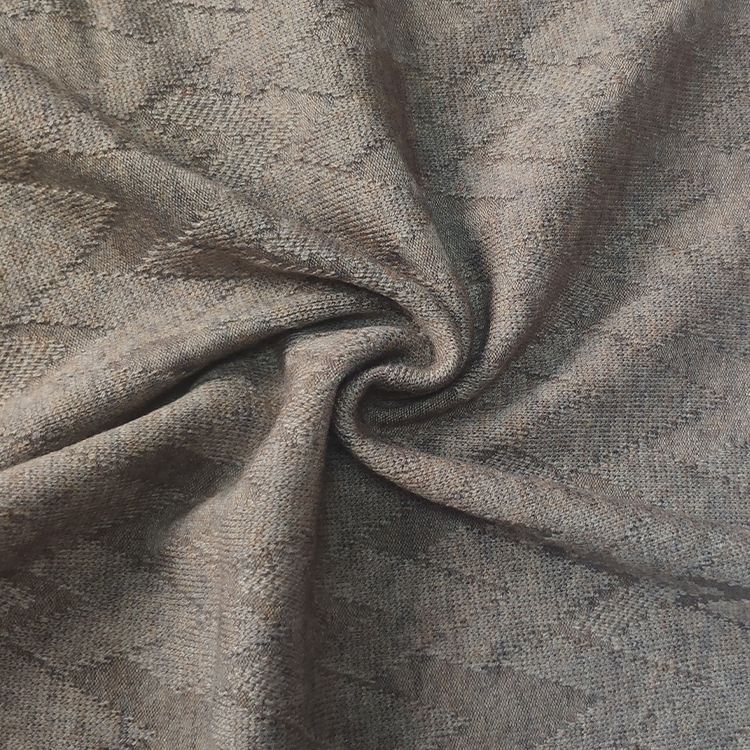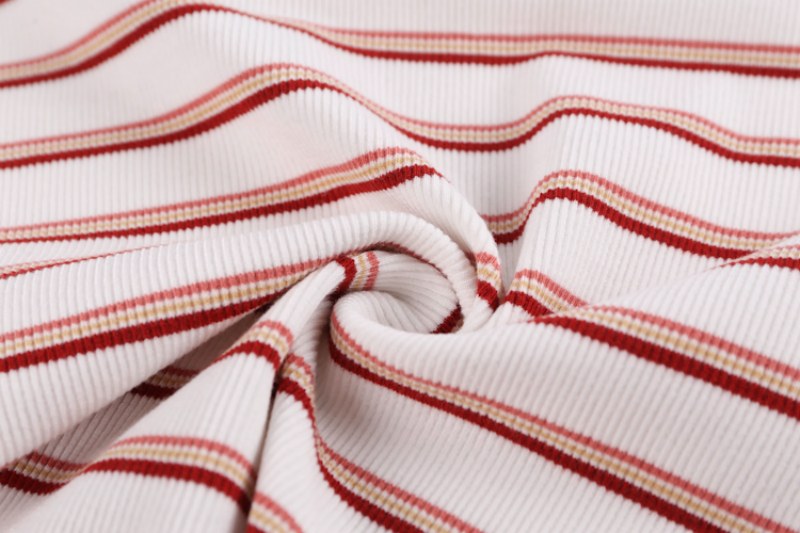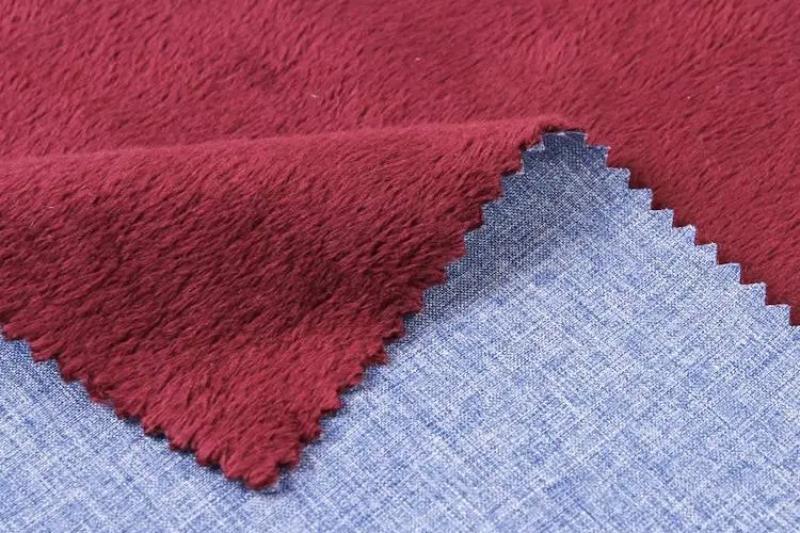
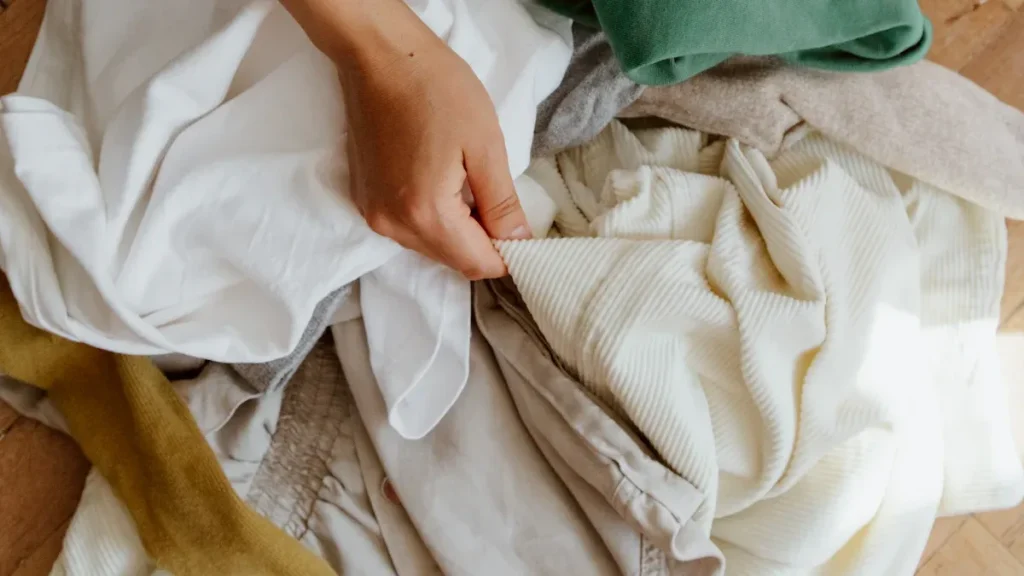
French terry is a good fabric. It is soft, absorbent, and a breathable fabric that suits many garments across many seasons. The material has soft loops on the back and a smooth face on the front. That structure explains much of its comfort. French terry fabric also holds up well to regular wear and washing. Shoppers often compare it with fleece and terry cloth before they buy. Each option has a clear best use. French terry sits in the middle, while fleece leans toward warmth and terry cloth toward absorbency.
Starke’s terry and fleece fabrics take this further, with French terry, polar fleece, sherpa fleece, and scuba in one range, backed by OEKO-TEX Standard 100 and GRS certified production. A little knowledge about weight, fiber content, and care helps any buyer pick the right version with confidence.
Key Takeaways
- French terry is a soft, breathable fabric with loops on one side and a smooth face on the other.
- It works well for many clothes like hoodies, joggers, and dresses across spring and fall.
- French terry is lighter and more breathable than fleece, but less warm for deep winter.
- Wash French terry in cold water and dry on low heat to keep it soft and prevent shrinking.
- Choose medium-weight cotton French terry for the most versatile garments.
What Is French Terry Fabric?
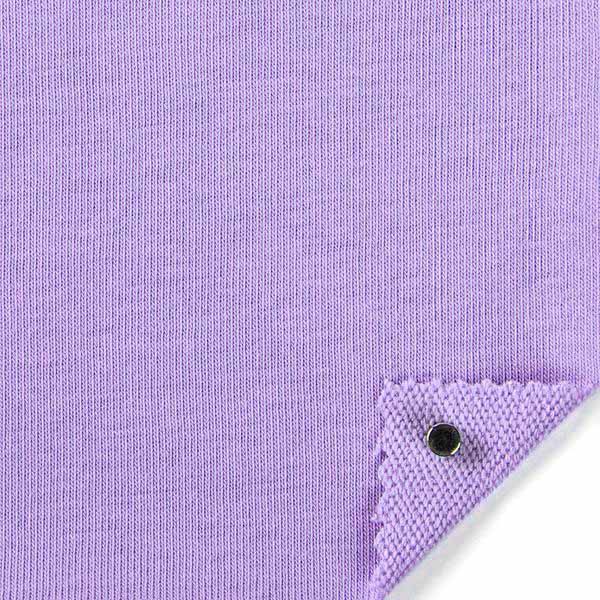
French terry is a knitted style of fabric with soft, looped piles on one side and a smooth surface on the other. Most versions use cotton, and the fabric sits in the medium-weight range. That balance separates it from both lightweight jersey and heavy fleece. Anyone who asks what is French terry fabric really wants to know how it feels and where it works. The answer starts with the knit structure.
How It’s Made
Knitting machines form the fabric by drawing extra yarn into loops on the back while keeping the front tight and flat. This soft, looped knit creates two distinct faces in a single cloth. The smooth side takes dye, print, and stitching cleanly. The looped side traps a little air and adds cushion against the skin.
Cotton french terry fabric usually passes through dyeing and finishing after knitting. Finishing can add functional traits such as anti-pilling or quick-dry performance. A factory may also brush or compact the surface, depending on the target hand feel. The process stays relatively simple compared with brushed fleece, which needs an extra napping step.
Key Characteristics
The loop structure drives most of the fabric’s performance. Loops on one side only leave the smooth face free to sit flat against the body. Air moves through the knit with ease, so the cloth breathes well. Cotton fibers pull moisture away from the skin, and the loops spread that moisture across a wider area for faster drying. These traits give terry fabric its reputation for comfort in active and casual wear.
The weight falls between a cotton T-shirt and a sweatshirt. A wearer notices more substance than a tee, yet the fabric does not run as hot as fleece. That middle ground makes french terry useful across changing temperatures.
Organic french terry often shows longer, slightly larger loops on the back. Those bigger loops hold more fiber and more air, so the cloth absorbs more moisture and carries a bit more weight. The same qualities make french terry cotton a favorite among home sewers. The knit resists fraying, feeds smoothly under a needle, and holds a stitch without puckering. Many sewists call it one of the easiest fabrics to handle.
Buyers who understand what is French terry fabric gain a practical filter for shopping. They can judge a garment by its weight, its fiber content, and the size of its back loops. A wholesale supplier or manufacturer can confirm those details before an order. Each of these key characteristics of french terry fabric points to the same conclusion: the cloth earns its place in everyday wardrobes.
French Terry vs. Fleece and Terry Cloth
Shoppers often weigh french terry vs fleece before buying a sweatshirt or hoodie. Both fabrics serve cold weather well. They differ in construction, warmth, and best season. A clear look at each option helps a buyer match the cloth to the garment.
The Difference Between French Terry and Fleece Fabric
The main difference between french terry and fleece fabric comes down to surface treatment. Manufacturers brush the back of fleece to raise a soft, fuzzy pile. That napping step traps more air and boosts warmth. French terry skips the brushing. Its back loops stay intact, so air passes through the knit more freely.
This construction gap shapes performance. Fleece carries more weight and holds heat close to the body. French terry stays lighter than fleece and suits transitional seasons better. A wearer gets warmth without overheating on a mild day. Fleece shines in deep winter and in garments built for serious cold.
The difference between french terry fabric and fleece fabrics also affects drape and bulk. Fleece adds volume at the seams. French terry lies flatter and works well in trimmer cuts. Neither option wins outright. Each one fits a distinct job. A supplier who stocks both can guide buyers toward the right pick for their line.
French Terry vs. Terry Cloth
The french terry vs terry cloth question centers on loop placement. Terry cloth carries loops on both faces. French terry keeps loops on one side and a smooth face on the other. That single design choice drives very different end uses.
Terry cloth absorbs more water because both surfaces pull moisture in. Towels, bathrobes, and beach cover-ups rely on that trait. French terry fabric offers a smooth face that takes print, stitching, and trim cleanly. Apparel makers favor it for sweatshirts, joggers, and dresses. The comparison: french terry vs fleece vs terry cloth shows three fabrics with three clear roles. Terry cloth wins on absorbency. Fleece wins on heat retention. French terry balances breathability, softness, and a clean finish.
A balanced view matters here. Terry cloth and fleece both excel at their core tasks. French terry and fleece fabric each answer different wardrobe needs. French terry and fleece both belong in a strong product range. The french terry vs fleece decision depends on the target season. The french terry vs fleece call also depends on the garment type. French terry vs fleece comes down to warmth versus breathability. French terry vs fleece is not a contest with a loser.
| Feature | French Terry | Fleece | Terry Cloth |
|---|---|---|---|
| Loop placement | One side | Brushed back | Both sides |
| Warmth | Moderate | High | Low to moderate |
| Breathability | High | Lower | Moderate |
| Best use | Apparel | Cold-weather wear | Towels, robes |
French terry is lighter, more breathable than fleece in warm conditions. That trait makes it a smart pick for spring and fall lines. A factory that knits all three styles can help brands build a balanced collection.
French Terry in Apparel
Menswear and Womenswear Uses
French terry suits a wide range of garments for both men and women. Sweatshirts and hoodies rank among the most common applications. A french terry hoodie offers warmth on a cool morning and still breathes during a brisk walk. Joggers and shorts use the fabric for relaxed fit and easy movement. Dresses and skirts in french terry drape softly and hold their shape through a full day of wear. Loungewear sets rely on the smooth face for a clean look and the loops for next-to-skin softness. Lightweight jackets round out the list, giving wearers a layer that adds comfort without feeling too heavy.
Each garment type draws on a different strength of the cloth. Tops benefit from the smooth face, which accepts screen print, embroidery, and trim with sharp detail. Bottoms gain from the moderate stretch and the stable knit, which resists bagging at the knee. A wholesale buyer can order the same terry fabric across a full capsule and keep color and hand feel consistent. Many suppliers offer custom weight and finish options, so a brand can tune the fabric to each silhouette.
Best Seasons and Garments
The medium weight of french terry fabric places it in a sweet spot across the calendar. Spring and fall rank as its strongest seasons. Daytime temperatures shift often in those months, and the fabric adjusts well. Breathability lets body heat escape when the sun comes out. The looped back holds a little warmth when the air turns cool. Cool summer evenings also suit french terry, especially in shorts and light pullovers. Cotton french terry fabric keeps the wearer dry through light activity, which helps in humid weather.
Transitional weather rewards this balance most of all. A wearer can layer a french terry piece under a jacket in the morning and wear it alone by afternoon. The fabric does not trap heat the way brushed fleece can. That trait keeps french terry comfortable across a long day outdoors. Brands that plan a seasonal line can place french terry in early spring and late summer slots with confidence. A manufacturer with in-house knitting can adjust fabric weight per style and support that plan.
Caring for Terry Fabric
Washing and Drying Tips
Good french terry aftercare and laundry habits start with the wash cycle. A machine wash on cold protects the cotton fibers and limits shrinkage. Hot water stresses the loops and speeds up wear over many cycles. A gentle cycle adds another layer of protection for the knit structure.
Turn each garment inside out before washing. This simple step shields the smooth face from friction against zippers and buttons. It also reduces pilling on the looped back. A mesh laundry bag helps with smaller items. Skip fabric softener, which coats the loops and cuts absorbency. A mild detergent cleans well without leaving residue.
Drying deserves equal attention. Tumble dry on low, or air dry when time allows. High heat shrinks cotton and stiffens the loops. Anyone who wants to know how to care for french terry fabric can follow one rule: keep heat low at every stage. Remove pieces promptly after the dryer stops to limit wrinkles.
Durability and Longevity
French terry is durable and breathable by nature, and proper care keeps both traits intact. The knit holds its shape through repeated washing when the wearer avoids high heat. Loops stay soft and spring back after each cycle. Colors hold well too, especially with cold-water washing and inside-out drying.
Longevity depends on a few steady habits. Rotate garments between wears to let fibers recover. Store folded pieces flat rather than on hangers, which can stretch shoulders. Treat stains promptly with a mild spot treatment. A wholesale buyer or supplier can confirm the recommended care label for each fabric weight and finish.
These habits pay off across a full season and beyond. A well-cared-for french terry hoodie keeps its hand feel and fit for years. Brands that share clear french terry aftercare guidance with customers build trust and reduce returns. A manufacturer with in-house finishing can also recommend the right wash instructions for custom treatments.
Choosing French Terry Fabric
Composition, Weight, and Stretch
The fibers in a french terry fabric shape how it performs. Pure cotton gives softness and breathability. Blends add strength or drape. Buyers often ask is french terry 100% cotton, and the answer depends on the supplier. Many mills make cotton french terry fabric as a standard option. A cotton french terry fabric with a small amount of elastane adds stretch for joggers and fitted tops. That cotton elastane french terry fabric bounces back well after movement.
Weight matters just as much. Medium-weight french terry cotton fits the widest range of garments. Lighter weights work for summer tees and dresses. Heavier weights suit cold-weather hoodies. Stretch completes the picture. A little elastane helps knitwear move with the body and keep its shape.
| Factor | Best Choice | Why It Works |
|---|---|---|
| Fiber | Cotton or cotton-rich blend | Soft, breathable, takes dye well |
| Weight | Medium | Versatile across seasons |
| Stretch | Small elastane share | Movement and shape recovery |
Cost and Where to Buy
Buying straight from the factory gives wholesale buyers strong value. A manufacturer that controls knitting, dyeing, and finishing skips middleman markups. Custom work changes the price. Special finishes and colors add cost, but they raise the fabric’s value in the final garment.
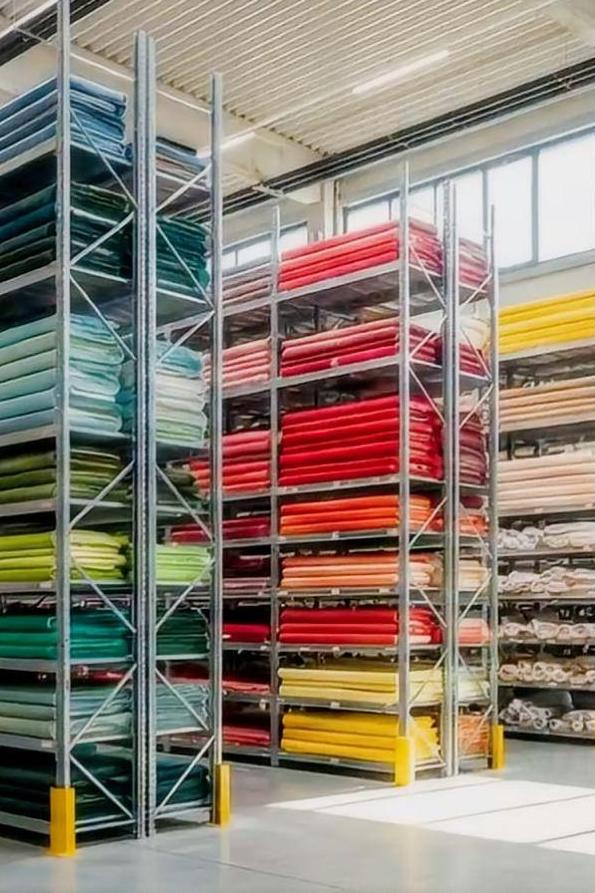
Starke Textile has made knitted and bonded fabrics since 2008. The company runs three plants with over 150 staff and controls knitting, dyeing and finishing, and bonding in-house. Buyers can custom weight, color, pattern, and finishes such as anti-pilling, quick-dry, moisture-wicking, waterproof, breathable, and anti-static. The supplier holds OEKO-TEX Standard 100 and GRS certifications. Sample development takes 7 days, and mass production runs 20–45 days.
These capabilities answer why choose french terry fabric from a single source. One factory handles the whole order, so quality stays steady and lead times stay predictable. A wholesale supplier with in-house finishing also protects the loop structure through every step.
French terry earns its place in everyday wardrobes. The fabric breathes well, feels soft against the skin, and absorbs moisture without clinging. Its looped back wicks sweat, and the smooth face holds print and stitching cleanly. Wearers get versatility across seasons and easy care at home. A medium-weight french terry fabric suits the widest range of garments, from hoodies to dresses.
Buyers should match weight and fiber content to the intended piece and season. A supplier or manufacturer can confirm both before an order. With the right spec, french terry delivers comfort and durability wash after wash. Shoppers who weigh these factors can choose terry fabric with real confidence.
FAQ
Is French terry warm enough for winter?
French terry suits transitional weather better than deep cold. Its medium weight and looped back hold some warmth, yet the knit breathes freely. A wearer layers a hoodie under a jacket on cold days. Heavy fleece remains the stronger pick for freezing temperatures.
Does French terry shrink in the wash?
Cotton french terry can shrink when heat enters the wash or dryer. Cold water and low heat protect the fibers and limit movement. Buyers should check the care label from their supplier. Proper washing keeps the fit stable across many cycles.
Can a manufacturer customize terry fabric for a brand?
Yes. A factory can adjust weight, color, pattern, and finishes such as anti-pilling, quick-dry, moisture-wicking, and anti-static. Custom work may raise the price. Wholesale buyers should confirm specs and certifications before placing an order.
Is French terry good for sensitive skin?
The smooth face sits gently against the body, and cotton fibers feel soft. Breathability helps skin stay dry. Shoppers with sensitive skin should favor cotton-rich versions and skip fabric softener. A patch test on a small area offers extra reassurance.
How long does French terry last?
With cold washing and low-heat drying, the knit holds its shape and softness for years. Loops spring back after each cycle. Rotating garments between wears and folding them flat extends the life of any french terry piece.