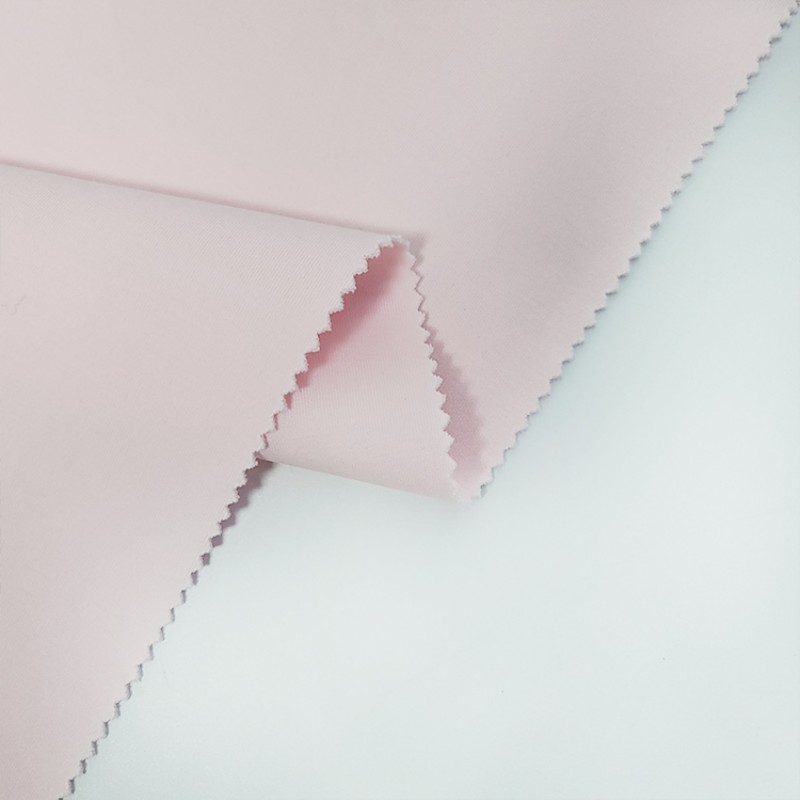
Scuba crepe fabric delivers 4-way stretch with approximately 20% vertical and 5% horizontal elongation — enough give to move with the body, while retaining enough structure to hold a tailored silhouette. This unique balance of controlled drape and reliable recovery is what makes it a go-to choice for fitted dresses, structured skirts, and polished activewear. In this guide, we cover the fiber composition behind the stretch, how scuba crepe compares to regular scuba and other knit fabrics, and the specific sewing techniques (needle type, stitch settings, presser foot) that preserve its elasticity through construction and washing.
Key Takeaways
- Scuba fabric can stretch and feels soft. This makes it great for tight clothes like dresses and leggings.
- You should always look at which way the fabric stretches before you cut it. This helps your clothes fit better.
- When you sew scuba crepe fabric, use zigzag stitches and a ballpoint needle. This keeps the fabric stretchy and stops it from getting ruined.
Scuba crepe fabric properties
Composition and Structure
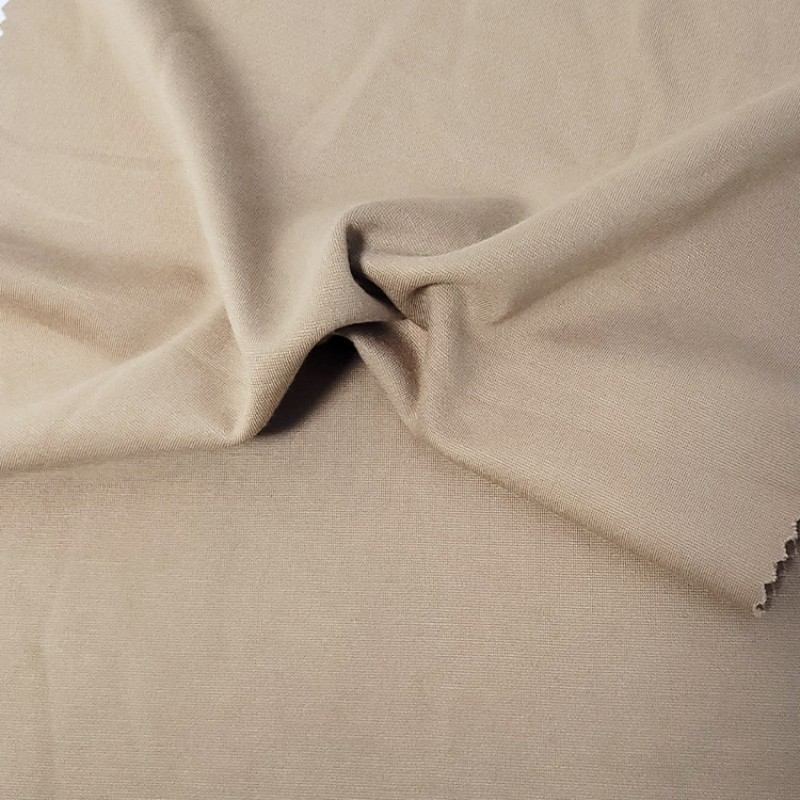
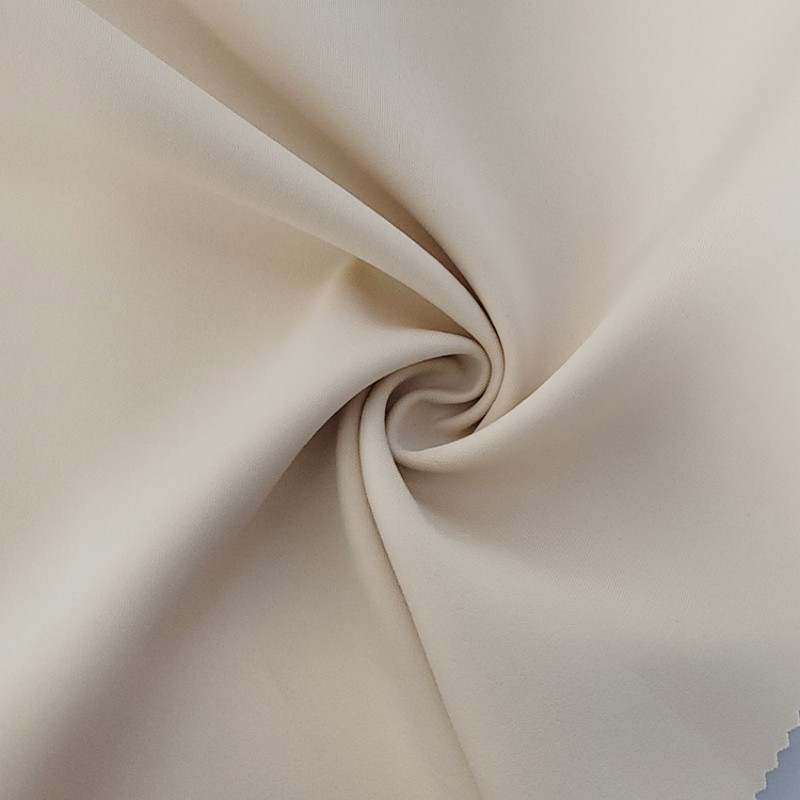
Scuba crepe is a double-knit construction typically composed of polyester (70–85%), nylon (5–10%), and spandex/elastane (5–15%). Each fiber plays a distinct role: polyester provides durability and shape retention; nylon enhances moisture management for activewear applications; spandex delivers the 4-way stretch and snap-back recovery that defines the fabric’s performance. The crepe texture — a finely grained, matte surface on the face with a smooth knit back — is achieved through tightly twisted yarns in the double-knit process, not through embossing or post-finishing treatments.
Stretch Percentages
Scuba crepe typically exhibits 4-way mechanical stretch with approximately 20% elongation in the vertical (wale) direction and 5–8% in the horizontal (course) direction (tested per ASTM D2594). This directional bias is important for pattern layout: the greater vertical stretch should run parallel to the body’s length for maximum comfort in fitted garments. Recovery after 30 minutes at 100% extension is typically 95%+, meaning the fabric returns nearly to its original dimensions — a key selling point for garments that undergo repeated wear and washing.
GSM ranges from 180–260 for fashion-weight scuba crepe, with heavier variants (260+ GSM) providing more structure for tailored jackets and outwear pieces. Lighter weights (180–200 GSM) are preferred for dresses and skirts where drape takes priority over body.
Scuba Crepe vs. Regular Scuba vs. Ponte Knit
| Property | Scuba Crepe | Regular Scuba | Ponte Knit |
|---|---|---|---|
| Surface | Crepe-textured face, smooth back | Smooth, spongy both sides | Smooth, firm both sides |
| GSM | 180–260 | 220–350+ | 250–350 |
| Stretch | 4-way, ~20% vert / 5–8% horiz | 4-way, 30–50% | 2-way or 4-way, 15–25% |
| Drape | Controlled, structured | Stiff, neoprene-like | Fluid, heavier |
| Best For | Fitted dresses, skirts, blouses | Structured jackets, corsetry | Pants, blazers, workwear |
| Heat Sensitivity | High — use press cloth + low iron | Moderate | Low |
| Pilling Risk | Medium (textured face) | Medium | Low |
The critical distinction for garment makers: regular scuba’s heavier GSM and spongy hand make it ideal for pieces that need to hold a specific shape (peplum tops, structured bombers), while scuba crepe’s lighter weight and directional stretch bias make it better for garments that need to move with the body while maintaining a clean silhouette (sheath dresses, pencil skirts).
Scuba fabric Uses
Applications
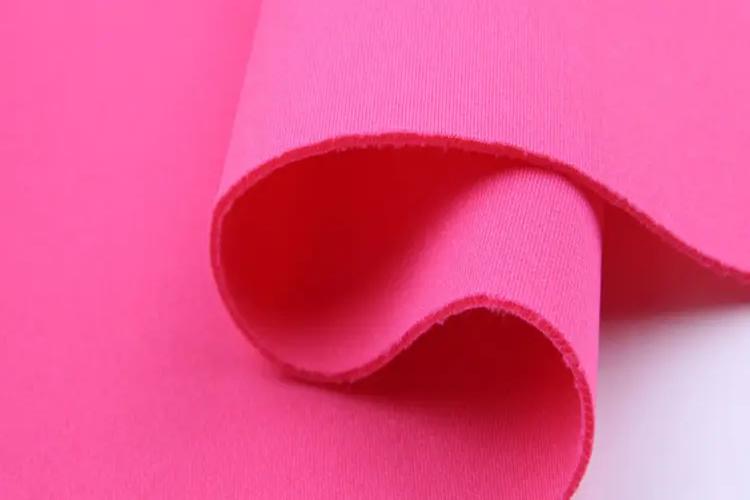
• Dresses — Sheath, fit-and-flare, wrap, and shift dresses benefit from scuba crepe’s combination of body and 4-way stretch
• Skirts — Pencil skirts hold their shape; A-line skirts maintain flare without petticoat support
• Activewear — Yoga pants and supportive tops (lightweight GSM only); the textured face hides sweat marks better than slick performance fabrics
• Resort wear — Cover-ups, sarongs, and beach dresses; dries quickly, resists sand, doesn’t wrinkle in luggage
• Structured tops — Lightweight jackets, collar and cuff components where stiffness without bulk is needed
Sewing Scuba Crepe: A Step-by-Step Reference
1. Needle: Stretch needle, size 75/11 or 90/14 — a universal needle will skip stitches on the spandex content
2. Stitch: Narrow zigzag (width 1.0–1.5mm, length 2.5–3.0mm) or 4-thread overlock for seams; twin needle for hems
3. Presser foot: Walking foot or dual-feed — prevents the top and bottom layers from shifting at different rates
4. Thread tension: Reduce upper tension by 0.5–1.0 compared to woven fabrics; test on a scrap first
5. Cutting: Use pattern weights + rotary cutter (not pins) — the textured face shows pinhole marks that may not recover
6. Pre-wash: Machine wash cold, tumble dry low before cutting — expect ~2–3% shrinkage in the first wash, after which dimensions stabilize
7. Pressing: Use a press cloth + synthetic/low setting — direct iron contact above 150°C (300°F) will permanently flatten the crepe texture
8. Seam finish: Overlock/serge all raw edges — scuba crepe doesn’t fray but the cut edge can curl and look unfinished in unlined garments
Care Instructions
• Washing: Machine wash cold (max 30°C / 86°F) on gentle cycle. Avoid fabric softeners — they coat the spandex fibers and reduce recovery over time.
• Drying: Tumble dry low or line dry. High heat damages spandex elasticity; if using a dryer, remove while slightly damp to prevent set-in wrinkles.
• Ironing: Use synthetic/low setting with a press cloth. Never iron directly on the crepe face — the texture is heat-sensitive and will flatten permanently.
• Storage: Fold, don’t hang — hanging stretches the spandex over time, particularly in heavier GSM garments. Store in a cool, dry space away from direct sunlight to prevent fiber degradation.
FAQ
How much does scuba crepe fabric stretch?
Scuba crepe offers 4-way mechanical stretch with approximately 20% elongation in the vertical (lengthwise) direction and 5–8% in the horizontal (widthwise) direction, tested per ASTM D2594. Recovery after extension is typically 95%+, meaning garments return to their original shape after wear and washing.
What makes scuba crepe fabric stretchy?
The stretch comes from spandex (elastane), typically 5–15% of the fiber blend, combined with a double-knit construction that distributes tension evenly. The polyester base provides the memory — it holds the shape that the spandex recoils to — while nylon adds moisture management for activewear comfort.
Is scuba crepe the same as regular scuba fabric?
No. Scuba crepe has a finely textured, matte face (the “crepe” refers to the surface grain, not the fiber composition), is lighter at 180–260 GSM, and has slightly less overall stretch. Regular scuba is heavier (220–350+ GSM), has a smooth spongy surface on both sides, and offers higher elasticity — making it better for structured jackets and corsetry. Scuba crepe is preferred for dresses and skirts where drape and movement are priorities.