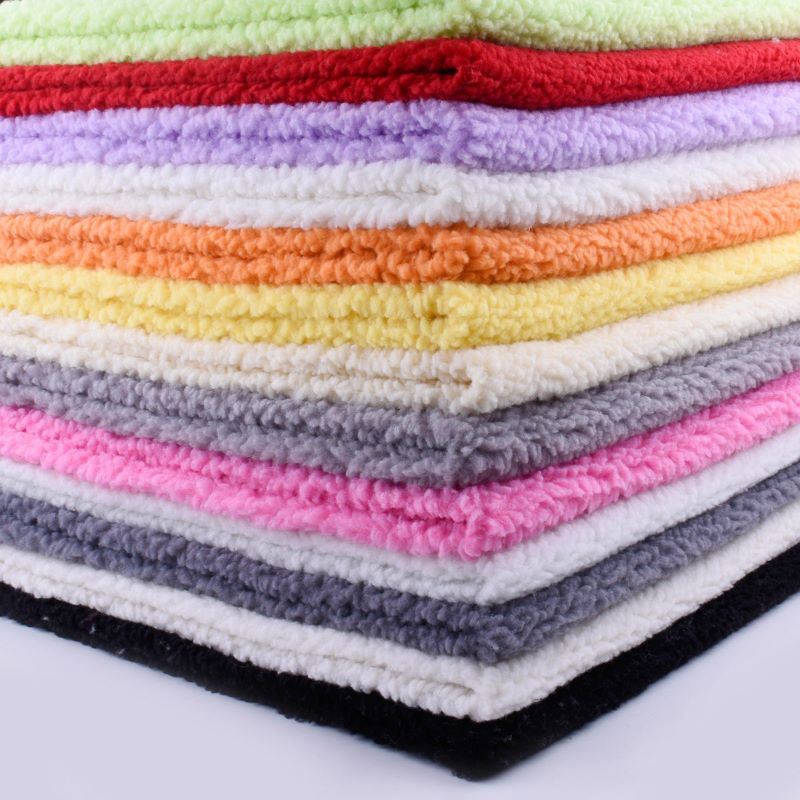
Bonded sherpa fleece is a two-layer fabric that joins soft faux-wool sherpa to a smooth back with glue or heat. This sherpa fabric offers great warmth and a soft feel during cold weather. Having two layers increases comfort and holds in heat. Because of this, a sherpa jacket stops cold air much better than a single-layer sherpa fleece.
Key Takeaways
- Bonded sherpa fleece connects two fabric layers to hold body heat and block cold wind well.
- This two-layer design gives winter coats extra strength and helps clothing hold its original shape over time.
- Flexible sherpa fabric offers snug warmth and light comfort for today’s winter coats and home blankets.
Understanding Bonded Sherpa Fleece

Fabric makers create bonded sherpa fleece to balance strong warmth with a sturdy shape. Companies make this double-layer fabric by sticking two separate knit or woven pieces into one solid sheet. Winter clothes designers often pick this combined material for tough cold-weather gear. For instance, a heavy-duty sherpa jacket stops bad weather well while keeping a cozy, gentle inside feel.
Anatomy of Sherpa Fleece
The top surface uses soft sherpa fleece, a fake fuzzy material built to match real sheep wool warmth and feel. Workers craft this curly surface with synthetic fibers like polyester or acrylic. Thick, fluffy fuzz traps air well to stop cold wind, while longer fibers boost overall heat retention.
| Metric | Bonded Sherpa Fabric | Single-Layer Fleece |
|---|---|---|
| Body heat retention | 92% | 78% |
| Heat trapping capacity | 30% more heat trapped | Baseline (flat-weave) |
| Heat held in cool environments | ~40% more than single-layer | Baseline |
The main fuzzy top layer usually weighs between 250 GSM and over 400 GSM. Textile mills glue this fluffy top to a strong back fabric like jersey, microfleece, or suede. A smooth front piece often uses 150-200 GSM jersey knit, while the back side has 12-20mm short fibers. This double-layer design keeps the two pieces from sliding around on their own. As a result, a bonded sherpa backing keeps its neat shape even after many washings. Custom fabric suppliers like Starke Textile sell different choices for material weight, fuzz thickness, and backing styles to fit special clothing needs.
The Fabric Bonding Method
The factory line connects the soft top layer to the back fabric using heat or glue lamination. Industrial machines run this joining process through four easy step-by-step actions:
- Fabric preparation: Workers trim individual fabric layers to set sizes and clean all surfaces well.
- Adhesive application: Equipment spreads special glue smoothly over the back material or fuzzy side.
- Layering: Smart machines line up the smooth outer fabric and fluffy sherpa piece together evenly.
- Heat application: The pressed layers move through hot rollers, melting the glue to make a lasting hold.
Heat bonding uses hot rollers to melt plastic fibers, making a smooth bond without using liquid glue. Glue bonding uses stretchy sticky liquids to join different fabric layers smoothly. Both ways make steady sherpa fabric for warm winter coats. Makers trust strong sherpa fabric to build firm cold-weather clothes. A neat sherpa jacket keeps its shape without needing a separate inside lining. Overall, high-grade sherpa fabric gives great comfort for modern winter fashion outfits.
Benefits of Bonded Sherpa Fleece
Enhanced Warmth and Wind Resistance
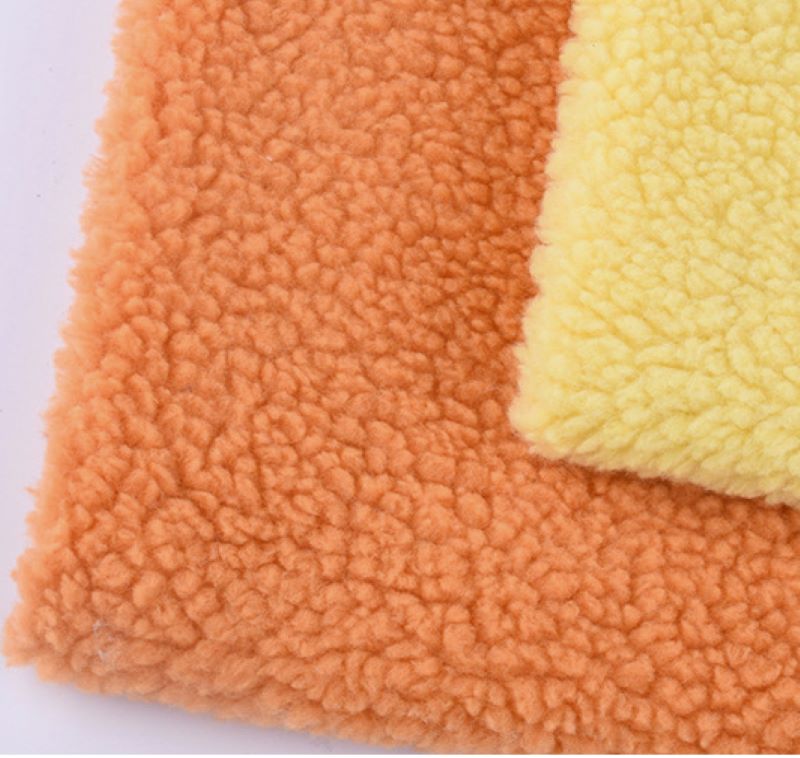
Bonded sherpa fleece offers amazing defense from freezing wind gusts. Combining two unique fabrics locks tiny air pockets between both sides. This two-ply style builds a strong warm shield against chilling drafty air. The fuzzy fleece top keeps body heat nearby, and the solid backing blocks incoming cold winds.
Clothing brands choose this two-ply design to make great cold-weather clothes. A cozy sherpa jacket holds natural heat better than basic single-layer gear. That strong glued layer stops harsh winds from blowing through the fabric on cold days. Therefore, a heavy sherpa jacket keeps people comfortable while blocking cold air in outdoor settings.
Why Choose Bonded Sherpa Fleece
Besides great heat protection, this special material delivers remarkable toughness for outdoor coats. The attached backing adds strong shape control, stopping the cloth from sagging out of form later. Superior fabric treatment gives sherpa fabric great pill-resistant qualities, helping clothes handle regular laundry cycles easily. Fashion lines often buy custom sherpa fabric from trusted mills like Starke Textile for durable clothing.
Special fabric mills can apply protective coatings directly onto the finished goods. Plants can add rainproof or wind-blocking treatments to improve weather resistance. Eco-friendly factory methods also guarantee safe production rules for consumer protection.
- OEKO-TEX Standard 100
- GRS (Global Recycled Standard)
- ISO standards
Clothing makers regularly choose this flexible sherpa fabric to build trendy winter coats. A well-made sherpa jacket keeps its neat style through constant wear. Creators can easily tailor any sherpa item with cozy backings or custom shades. Choosing a strong bonded sherpa jacket guarantees great warmth during cold winter months.
Applications of Sherpa Fabric
Outerwear and Winter Apparel
Clothing makers choose sherpa fabric to build high-performance winter clothes. Fashion designers use soft linings in cold-weather gear to boost warmth. A thick sherpa coat keeps people warm during cold outdoor trips. Clothing brands craft heavy jacket linings, casual hoodies, and winter coats with double-layer fabrics. A stylish sherpa coat delivers the classic look of real shearling without using animal wool.
Outdoor clothing brands design every sherpa jacket to shield people from freezing weather. A modern sherpa coat blocks cold wind while staying lightweight and soft. People find a custom sherpa jacket comfortable for daily activities. Active adults wear a flexible sherpa coat for daily travel and weekend hiking trips. A well-made sherpa jacket keeps its shape through regular winter use.
Blankets and Cozy Home Goods
Home fabric makers use soft sherpa material in warm throw blankets and pillow covers. Double-layer bonding gives throw blankets high warmth on cold nights. Fluffy synthetic fibers trap tiny pockets of air inside the cloth structure. Unlike heavy real wool, light synthetic sherpa offers soft warmth without extra heavy weight. Fabric mills make nice cabin blankets that bring a luxury feel to modern living rooms.
Stores sell soft sherpa house products for comfortable daily indoor relaxation. Families spread fuzzy blankets over beds to get extra heat on chilly nights. People wash bonded fleece items in cool water on gentle washing machine cycles to keep them soft. Wearable blankets with front zippers offer quick removal while relaxing inside the house. Top-quality sherpa fabric transforms simple home goods into cozy winter items.
Bonded sherpa fleece combines a fused double-layer build to deliver exceptional warmth and high durability. This versatile sherpa fabric easily outperforms traditional sherpa fleece for outdoor apparel and cozy home textiles. Designers build each heavy sherpa jacket with reliable structural stability. A stylish bonded sherpa jacket protects active consumers against cold weather.
FAQ
How do buyers clean a bonded sherpa jacket?
Owners wash a bonded sherpa jacket in cool water using gentle machine cycles. Hanging it to dry prevents heat damage and keeps the soft fleece textures safe.
Is bonded sherpa fleece warmer than standard polar fleece?
Yes. Gluing two unique layers together traps air very well. This style stops cold wind and traps body heat much better than single-layer fleece in cold weather.
Why do clothing brands buy custom sherpa fabric?
A fabric maker creates custom sherpa material for clothing companies. Brands build every sherpa jacket using special weight options, unique backings, and extra protective coatings.