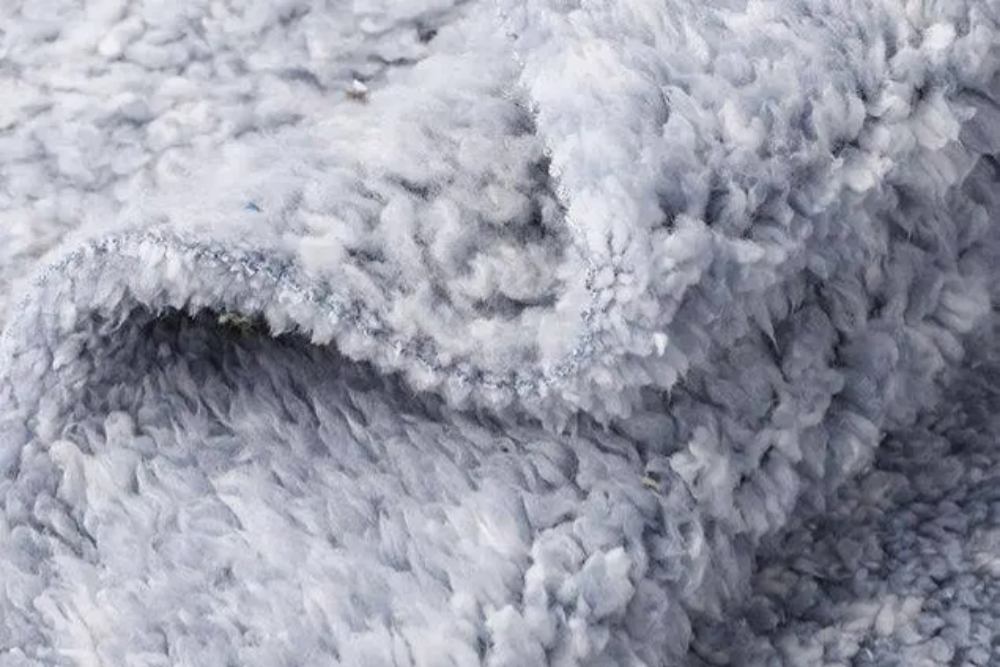
Sherpa fleece is a pile fabric, most often made from polyester, and much of that polyester today is recycled. Acrylic versions and cotton blends also exist, so the fiber content behind a sherpa label is not fixed.Labels can look the same while the fibers inside differ, and those fibers decide how the fabric feels, how warm it sleeps, and how it washes. A jacket labeled 100 percent polyester behaves differently from one made with a synthetic blend.
Starke’s sherpa fleece takes this further, offering recycled polyester options with consistent pile and finish for outerwear and linings. This post shows how to read a label and confirm what a garment really contains.
Key Takeaways
- Most sherpa fabric is 100% polyester, but some versions use acrylic or cotton blends.
- The fiber label tells you exactly what your sherpa item contains.
- Polyester sherpa dries fast and holds its shape well.
- Wash sherpa in cold water and air dry flat to keep it fluffy.
- A quick label check before buying prevents care surprises later.
What Is Sherpa Fabric?
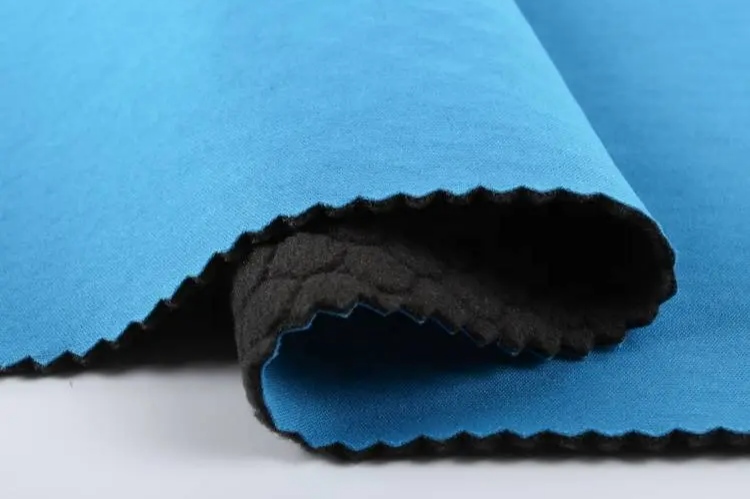
Sherpa is a man-made fleece. Mills make it to look and feel like sheep’s wool. They brush the surface to create a soft, fluffy pile. The result feels plush and holds warmth well. People find this fabric on jacket linings, hoods, and cozy accessories. Anyone asking what is sherpa fabric deserves a clear answer: it is a brushed knit, not a woven wool.
Polyester As The Standard

Most sherpa sold in stores is 100% polyester. Recycled polyester shows up often too. Pure cotton sherpa is rare. The fiber holds a brushed pile well and resists wrinkles. It also dries fast and costs less than natural fibers. Kingcason reports that high-quality polyester is the most common choice for the base fabric. Its durability and easy care explain that popularity. In most cases, sherpa fabric is 100% polyester. A blend label signals something different. The base is usually made from polyester, and mills build the pile from 100% synthetic polyester fibers. That structure makes sherpa a synthetic fabric through and through. Industry sources note that sherpa is mostly polyester, and many lines are made mostly from polyester yarn. A polyester sherpa lining feels light yet warm. The material stays fully synthetic from yarn to finish. Buyers who want a polyester-based shell find plenty of options. That choice keeps costs stable. A shopper who reads that fiber on a tag is looking at the standard version.
Typical rolls run medium to heavy in weight. Widths suit linings, outerwear, and blankets.
How The Pile Is Made
The process follows a clear order. Fiber selection comes first. Workers spin polyester chips into yarn. JSX Texture explains that polyester’s thermoplastic properties allow excellent texture retention after brushing and heat setting. Next, circular knitting machines interlock loops into a flexible base. The knit gives the fabric stretch and recovery. Then comes pile attachment. Fibers join the base through weaving or tufting, which creates the raised surface. Carding follows. Machines comb fibers in one direction and blend colors to the target design. Those synthetic polyester fibers accept dye evenly. Brushing raises the fibers into that fluffy texture. The intensity of brushing shapes warmth, softness, and thickness. A light brush leaves a flat surface, and a heavy brush builds extra loft. Heat setting then stabilizes the pile and improves dimensional consistency. Dyeing and finishing close the run. Modern treatments add anti-pilling performance, moisture resistance, colorfastness, and antistatic behavior. Advanced factories now use computerized brushing systems for controlled pile consistency. Each stage affects the final hand feel.
The short answer to what is sherpa fabric starts with its fiber base. Sherpa is synthetic by design, and polyester is the workhorse behind it. Starke produces sherpa within its fleece range and tunes weight, color, and finishes to order.
Polyester Sherpa And Fiber Variations

Polyester sherpa is the usual starting point. Most mills make the pile from polyester yarn, and buyers see it as the default pick. Other fiber choices exist, and each one changes warmth, feel, and care in its own way.
Acrylic And Cotton Blends
Acrylic sherpa feels soft and has a wool-like loft. Acrylic fibers hold heat well and feel plush on the skin. The material resists moths and dries fast. It also pills more than polyester when rubbed hard, so it fits scarves, hood linings, and decorative trims better than tough outer shells. Care is simple: cold wash and low heat.
Cotton changes things in a different way. Pure sherpa 100% cotton is rare because cotton fibers do not hold a brushed pile as firmly. Mills prefer polyester-cotton blends instead. A cotton share adds breathability and a natural hand, while the synthetic polyester fibers keep the pile upright and speed drying. These fabrics feel cooler on the skin, which helps in transitional jackets and loungewear. They also shrink more easily, so buyers should expect a gentler wash cycle.
The polyester in the sherpa usually sets the care routine, even in a blend. A higher synthetic share means faster drying and better shape retention. A higher cotton share means more breathability and a softer, matte surface. Neither option is better in every case. The right pick follows the end use.
Recycled Polyester Sherpa
Recycled polyester sherpa works much like the virgin version. It keeps the same brushed pile, warmth, and durability. The difference is upstream: recycled yarn keeps existing plastic out of waste streams. Lucid Collective notes that recycled polyester fleece avoids using new oil, and it suggests checking the composition label plus certifications such as GRS for recycled content. The same source, citing Textile Exchange 2025, reports that recycled polyester makes up only 12% of polyester produced, and 97% of it comes from plastic bottles rather than old clothes. Buyers who care about sourcing can verify claims through certification.
| Certification | Scope |
|---|---|
| OEKO-TEX Standard 100 | Tests for harmful substances |
| GRS scope certificate | Verifies recycled content and chain of custody |
| GRS 4.0 | Covers certified recycled materials |
Starke holds OEKO-TEX Standard 100 and GRS certification, and the company runs chain-of-custody audits across its recycled lines. That paperwork lets brands confirm the recycled claim on a sherpa fabric order. Recycled and virgin versions sit side by side in most collections. The recycled route appeals to sustainability-minded buyers, and the standard route serves cost-sensitive programs. Both deliver similar performance in the finished garment.
Sherpa Fabric Vs. Fleece And Wool
Warmth And Feel
Sherpa, fleece, and wool each trap warmth in a different way. Sherpa builds a deep, brushed pile that feels plush against the skin. Fleece uses a lighter, flatter knit surface. Wool relies on natural crimped fibers that lock in heat. Sherpa is synthetic, so it resists moisture and dries quickly. Wool absorbs moisture and stays warm even when damp. Fleece sits between the two on breathability and weight.
Texture separates them clearly. Sherpa feels fluffy and thick, much like sheep’s wool to the touch. Fleece feels smooth and soft with a lower loft. Wool feels denser and slightly scratchy on sensitive skin. Sherpa is not real wool, and it does not contain animal fibers. That distinction matters for shoppers who avoid animal-derived textiles. A synthetic polyester blanket made of sherpa offers that same cozy hand feel without any wool content.
Best Uses For Each
Seamwork describes sherpa fleece as a cold-weather classic used from blankets to shoe linings, jackets to even sweatpants. The fabric works well in accessories, linings, and outerwear. A garment made entirely of sherpa cannot completely block cold winds because of its fiber content and the holes between the knit stitches. It keeps the wearer warm when paired with denim, flannel, cotton, or suede as an outer shell.
Common sherpa garments include:
- The Amari jacket, a pullover quarter-zip with dropped shoulders and ample ease
- The Skipper sweatshirt, with ribbed knit for the neckband, waistband, and wrist cuffs to reduce bulk
- The Jesse vest, a classic sherpa-lined vest
- The Mel joggers, where sizing up may help because sherpa typically has low stretch
Fleece suits lightweight layers, athletic wear, and travel pieces. Wool fits tailored coats, sweaters, and dresswear. Each sherpa material choice serves its own end use, and no single option wins everywhere. A blend of fibers can balance warmth, weight, and care needs for a specific garment.
Fabric Care And Buying Tips
Check The Fiber Label
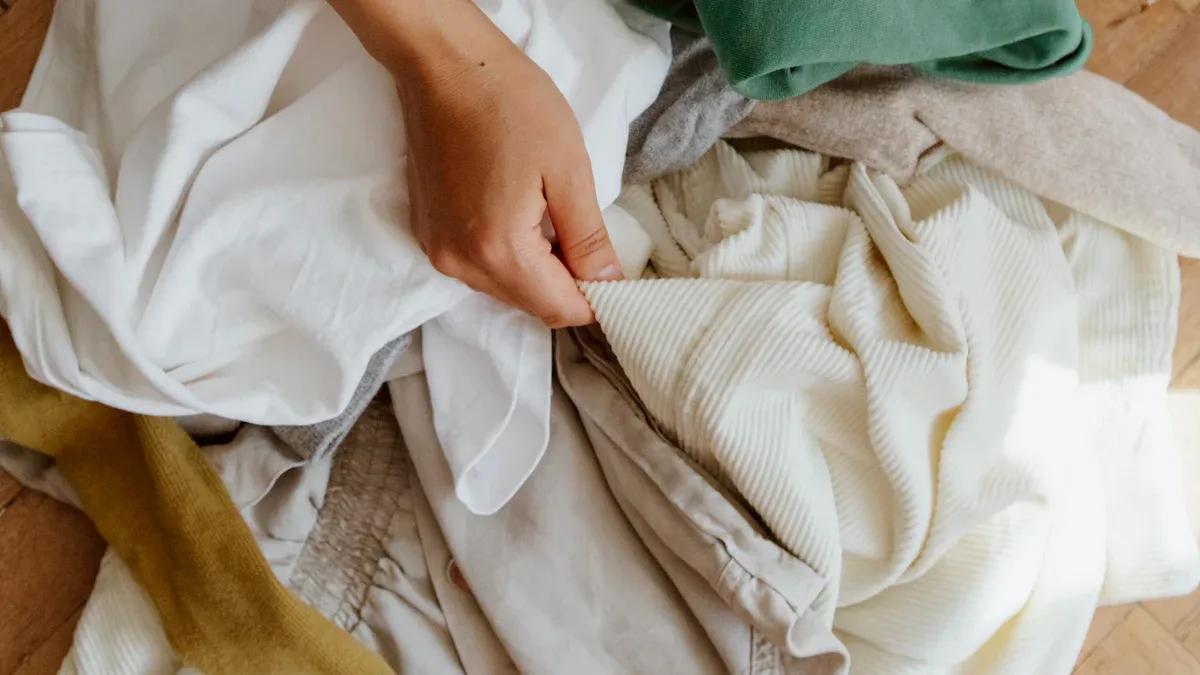
A fiber label shows a shopper exactly what a garment is made of. The law requires this information on most clothing sold in stores. Readers should look for the fiber content on the care label, which is usually sewn inside a side seam or back neckline. The tag lists each fiber by percentage. A tag that says 100% polyester confirms a pure synthetic sherpa. A tag that lists polyester with acrylic or cotton means it is a blend. That blend changes warmth, breathability, and wash needs.
Shoppers should also check pile density. Sicotas notes that thin, sparse pile mats within weeks, while dense pile keeps its shape and warmth much longer. A quick squeeze test shows the difference. The same source reports that polyester holds up better than acrylic under repeated washing. Buyers who plan heavy use should favor the denser, polyester-rich option.
Washing And Longevity
Cold water and mild detergent protect the pile. Starke’s care guide advises a gentle cycle, no fabric softener, no bleach, and no dryer sheets. Powder detergents and oxidizing agents also damage the fibers. Air drying flat keeps the shape and fluff. High heat mats the pile and can shrink the fabric.
Sicotas offers practical tips for reviving a matted sherpa. A soft-bristled brush or pet slicker brush lifts flattened sections with gentle strokes in one direction. Scrubbing causes more damage than the matting itself. Frequent washing wears down the fibers, so airing out and spot-cleaning between washes makes the material last longer.
| Category | Instruction |
|---|---|
| Washing | Cold water, mild detergent, gentle cycle |
| Avoid | Fabric softener, bleach, dryer sheets, powder detergent |
| Drying | Air dry flat; never use a hot dryer |
| Stain removal | Mild detergent and cold water; vinegar or baking soda paste for tough marks |
| Pilling | Wash alone or with similar items; brush softly after drying |
Starke supplies polyester sherpa within its fleece range and tunes weight and anti-pilling finishes to order.
Sherpa’s makeup changes from one item to the next. Polyester is still the usual base, but acrylic versions and cotton blends also show up in stores. The fiber mix shapes warmth, care needs, and how long the item lasts. A shopper who checks the fiber label gets clear answers. That tag shows whether an item is pure polyester or a blend that needs different washing.
Fiber content should fit how you plan to use the item. Linings and accessories do best with a dense pile. Breathable blends work well for lighter layers. Care routines follow the same idea. Cold washing and flat drying protect any sherpa, and gentle brushing brings a matted pile back. A quick label check before you buy prevents surprises later.
FAQ
Is sherpa fabric real wool?
No. Sherpa is a synthetic fleece brushed to mimic sheep’s wool. Most versions use polyester, and some use acrylic or cotton blends. The fabric contains no animal fibers. Shoppers who avoid wool can wear sherpa without concern.
Does sherpa keep you warm?
Yes. The deep brushed pile traps air and holds body heat. Sherpa works best under a wind-resistant shell, since the knit alone does not block cold wind.
Will polyester sherpa pill over time?
It can, especially with friction and frequent washing. Dense pile resists matting far better than thin, sparse pile. Buyers should favor tightly brushed fabric and wash on a gentle cycle. Anti-pilling finishes further reduce surface fuzz.
How can a shopper tell what is sherpa fabric made of?
The fiber label settles it. A tag reading 100% polyester confirms pure synthetic sherpa. A tag listing polyester with acrylic or cotton signals a blend. Certifications such as GRS or OEKO-TEX Standard 100 add verifiable sourcing detail.
Does recycled sherpa perform like regular sherpa?
Yes. Recycled polyester sherpa keeps the same pile, warmth, and durability as the virgin version. The difference sits upstream in the yarn source. Buyers can confirm recycled content through a GRS scope certificate.