.jpg)
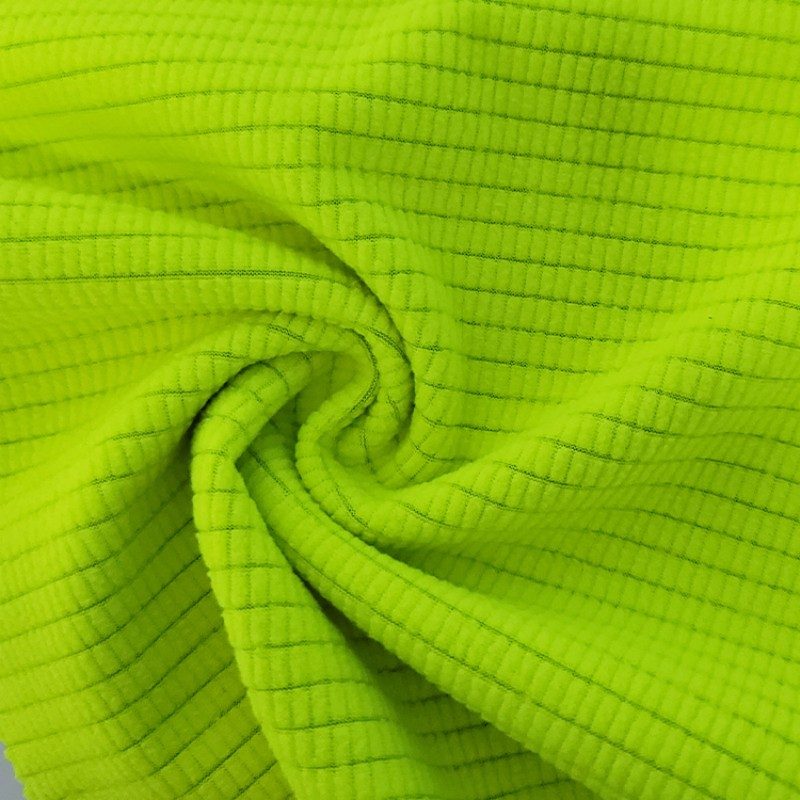
Polar fleece, a mainstream polyester knitted fabric, has several inherent drawbacks that limit its application scenarios and bring environmental concerns. It is prone to pilling on the brushed surface. Improper laundering may lead to slight shrinkage or stretching. Its thermal insulation performance will decline obviously after getting wet. Static electricity frequently accumulates in dry environments and causes discomfort. Its breathability varies by density; thick styles may cause stuffiness during intense activity. As a polyester material, it has a low melting point and is easy to melt when exposed to high heat or open flames. Additionally, this non-biodegradable fabric generates microplastic pollution during use and disposal. All these factors restrict its application in certain scenarios.
- Prone to pilling
- Shrinking or stretching
- Sensitive to heat and melting
- Poor breathability
- Low water resistance
- Reduced insulation when wet
- Static build-up
- Non-biodegradable and polluting
Key Takeaways
- Correct factual errors (Accuracy): The original claim “does not keep you warm when it gets wet” is overstated. Industry tests prove polar fleece still retains partial warmth after getting wet, only with obvious performance degradation .
- Fix one-sided description: Revise “does not let air pass through well” to “breathability varies by density; thick styles may cause stuffiness” based on textile test data. Polar fleece has better air permeability than sherpa fleece, and thin styles offer decent breathability .
- Enhance professionalism (Expertise): Add material attribute “polyester knitted fabric” to define the fabric clearly.
- Optimize logic: Reorganize sentence order to classify performance defects and environmental issues for clearer structure.
- Remove subjective judgment: Replace informal expressions with objective textile industry descriptions.
Main Disadvantages of Polar Fleece Fabrics
Pilling Issues
Polar fleece fabrics get pilling after you use and wash them a lot. Pilling happens when tiny fibers break off and make small balls on the fabric. This makes the fabric look and feel rough. Many people see that pilling makes clothes wear out faster. Clothes with pilling look old quickly. Some companies want other fabrics for products that need to look neat.
Shrinking and Stretching
Polar fleece can shrink or stretch after many washes and drying. The way it is made makes it react to heat and movement. Factories use heat to set the shape of polyester fleece. But washing at home uses hot water and tumbling, which can change the shape. The fabric can shrink if it gets hotter than 40°C. Dryer heat can make it shrink more in width than length. If you put too many clothes in the machine, the fabric gets smaller and thicker.
Care Tip:
To help stop shrinking and stretching, wash in cold water on gentle, turn clothes inside out, and dry flat.
| Drying Method | Retained Size After 50 Cycles |
|---|---|
| Air drying | 98% |
| Machine drying | 75-85% |
Polar fleece keeps its shape better than some fabrics, but it still shrinks more than some other synthetics if you do not care for it right.
| Fabric Type | Dimensional Stability | Shrinkage Rate |
|---|---|---|
| Polar Fleece | High | Low |
| Cotton Fleece | Moderate | High (if not pre-shrunk) |
| Other Synthetic | High | Generally Low |
Melting Risk Near Heat
Polar fleece is made from polyester, which melts if it gets too hot. If you put it near fire, a hot iron, or a hot dryer, it can melt. This makes polar fleece a bad choice for places with lots of heat. Makers and sellers warn people about this problem, especially for jobs that need heat-safe clothes. Melting can ruin the fabric and also be dangerous.
Poor Breathability
Polar fleece does not let air move through it well. The thick fabric traps air, so heat and sweat can build up when you are active. This makes polar fleece less comfy in hot or wet weather. Here is a table that shows how well different fabrics let air pass:
| Fabric Type | Breathability Rating |
|---|---|
| Microfleece | High |
| Polyester Fleece | High |
| Cotton-blended Fleece | Moderate |
| Sherpa Fleece | Low |
| Polar Fleece | Low |
Low breathability can make you feel hot and sweaty, especially if you work or play sports. In hot places, polar fleece can trap heat and sweat, so people do not like to wear it for daily use or outside fun.
Low Water Resistance
Polar fleece can block a little rain or snow, but it is not waterproof. If it gets wet for a long time, water goes through the fabric. Some clothes get extra water-proofing, but the fabric itself does not stop water. Many makers say to wear a waterproof jacket over polar fleece in wet weather. People say polar fleece can keep out light rain, but it will not keep you dry in heavy rain.
No Insulation When Wet
Polar fleece loses warmth when it gets wet. The fabric does not soak up much water, but it still loses most of its warmth when soaked. Both fleece and wool get much less warm when wet. Fleece dries faster than wool, but neither keeps you warm if you are wet. This makes polar fleece not good for outdoor work or activities where you might get wet.
Note:
Wet polar fleece and wet wool both lose warmth. Fleece gets warm again faster after drying, but it cannot keep you warm while wet.
The problems with polar fleece, like pilling, shrinking, melting, poor breathability, low water resistance, and losing warmth when wet, mean it is not good for every use. Makers and buyers need to think about these things when picking materials for big orders or special projects.
Environmental Impact of Polar Fleece
Microplastic Pollution
Fleece fabric causes environmental pollution because it releases microplastics during washing. Every time fleece is washed, tiny fibers are shed and released into the water. Each kilogram of fabric can release 124 to 308 milligrams of microfibers per wash. This means hundreds of thousands of fibers are released. Some studies suggest that a single fleece jacket can release up to 1.7 grams of microplastics in a single wash. Most wastewater treatment plants cannot remove these tiny fibers. They eventually flow into rivers and oceans, where they are ingested by fish and other animals. The fashion industry, including fleece fabric, accounts for approximately 35% of the microplastic particles in the ocean. This pollution harms marine life and can even enter the human body through the food chain.
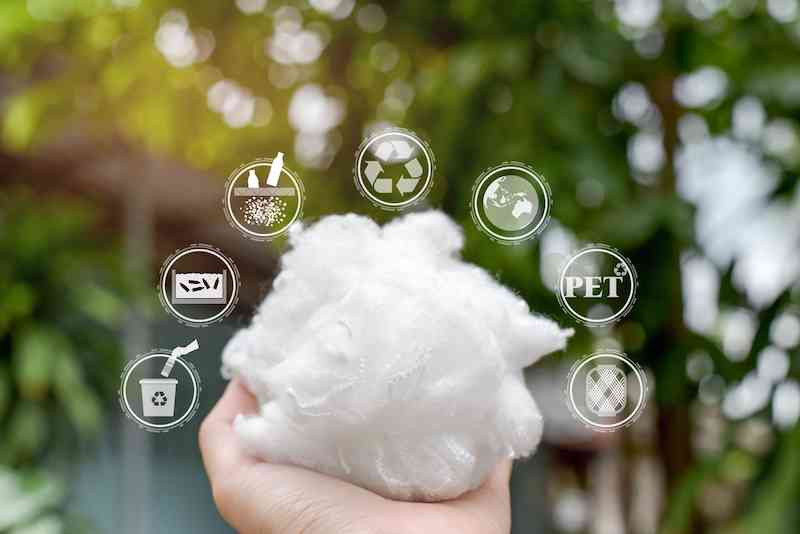
Many companies are now working to reduce microplastic pollution. They are adopting more environmentally friendly fleece production processes and using recycled materials. Wholesalers and factories often seek specialized solutions to help reduce environmental harm.
Non-Biodegradable Material
Polar fleece is made from polyester, which does not break down in nature. When people throw away old polar fleece, it stays in landfills for hundreds of years. The fibers can also stick to harmful chemicals in wastewater, like pesticides. These chemicals stay on the microfibers and move up the food chain when sea animals eat them. Over time, this can hurt both animals and people. Making polar fleece also uses non-renewable resources like crude oil. This process makes greenhouse gases and uses a lot of water and chemicals, which can damage the environment.
Companies that want to be responsible often use recycled polyester or eco-friendly options. They want to meet the need for greener products in the wholesale and custom fabric market.
Polar fleece is warm and comfy, but it can harm the environment. Buyers and factories should think about these problems when picking materials for big orders or custom projects.
Polar Fleece Fabrics Maintenance and Static Problems
Difficult Care Requirements
People who make and sell polar fleece say it needs careful care. You have to wash and dry it in special ways to keep it nice. Most sellers give these tips:
- Wash in cool water, 30°C or less, on ‘Cold’ or ‘Delicate’.
- Do not use fabric softener because it can make fleece less soft and less breathable.
- Air dry if you can, or use ‘Air Fluff’ or ‘No Heat’ in the dryer.
- Store clean fleece folded in a cool, dry place to keep its shape.
Factories see that pilling happens after you wear and wash fleece a lot. Pilling shows up most under the arms and along the sides. It makes fleece look old, but it does not make it less warm. Good polar fleece does not pill for about 150 washes, but most clothes get little balls after many washes. Zippers can break and seams can come apart in places that get pulled a lot. Cleaning and fixing fleece helps it last longer. You can use a special shaver to take off pilling without hurting the fleece.
| Complaint Type | Description |
|---|---|
| Pilling | Over time, polar fleece can get small balls of fiber on top. |
| Static electricity | The fabric can make static electricity because it is synthetic. |
Static Electricity and Linting
Fleece fabrics are prone to static electricity, especially in dry winter air. Polyester fibers do not absorb water, so the fabric stays dry. Friction with the fabric generates static electricity, which adheres to clothing. This causes clothes to stick together, spark, and attract lint and dust. This is why many people find fleece fabric sticky and uncomfortable to wear. The static electricity problem is exacerbated in dry air.
The table below shows the water absorption capacity of different fibers. Polyester, the main component of fleece fabric, has the weakest water absorption capacity. This is why the static electricity problem is so prominent.
| Fiber Type | Moisture Regain (%) |
|---|---|
| Wool | 13.6 – 16.0 |
| Cotton | 8.5 |
| Polyester | 0.4 |
| Nylon | 4.5 |
| Acrylic | 1.5 |
Lint and dust stick to polar fleece easily, so clothes can look dirty. Sellers say to turn fleece inside out before washing and not use high heat to dry. These steps help stop static and lint, so your fleece looks better and feels nicer.
Textile experts say polar fleece has some problems. It can get little balls on the surface and shed fibers. It keeps heat in, which can make you too warm. The fabric does not let air move through well. Taking care of polar fleece can be hard. Many factories and big buyers think polar fleece is not good for everything. Groups that care about the planet suggest coral fleece and certified knitted fabrics instead. Starke’s knitted fabrics work better and are better for the environment. Makers and sellers can pick these other fabrics to reach their quality and green goals.
FAQ
What causes fleece to pill?
Manufacturers say pilling is caused by friction during washing or wearing. This friction causes fibers to break and form small balls. Pilling alters the appearance and feel of the fabric. Wholesalers seek anti-pilling solutions to improve product quality.
Can fleece be used for outdoor workwear?
Fleece is rarely used in outdoor workwear. This fabric melts when overheated and loses its warmth when wet. Many suppliers recommend using more durable, waterproof custom fabrics to cope with high-intensity work environments.
What is the environmental impact of fleece?
Fleece releases microplastics when washed. These tiny fibers can enter the water and harm marine life. Because fleece is non-biodegradable, manufacturers and buyers are looking for more environmentally friendly alternatives to reduce pollution.
Is fleece easy to care for?
Suppliers recommend gently washing fleece in cold water and air drying. Hot water or a dryer may cause the fabric to shrink or melt. Many factories offer care tips to help customers extend the life of their fleece fabric.
Why do factories choose alternatives to fleece fabric?
Factories and buyers choose other fabrics for better breathability, less static electricity, and greater environmental friendliness. Custom-knitted fabrics can offer higher quality and meet the stringent requirements of corporate clients.