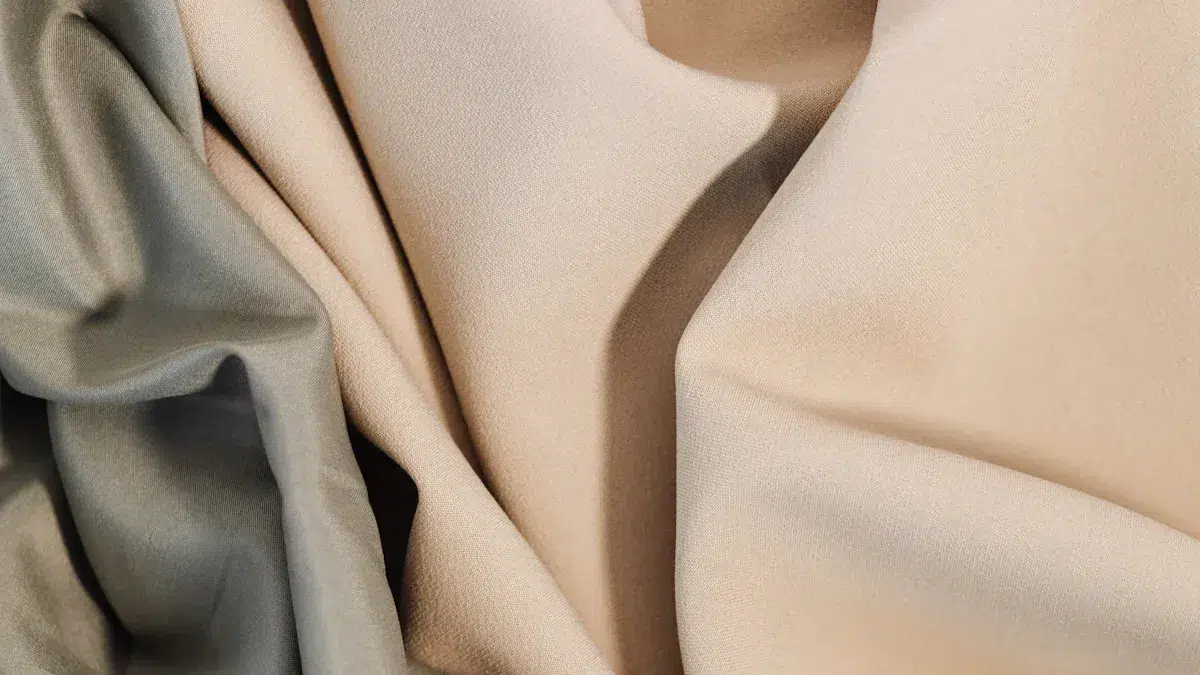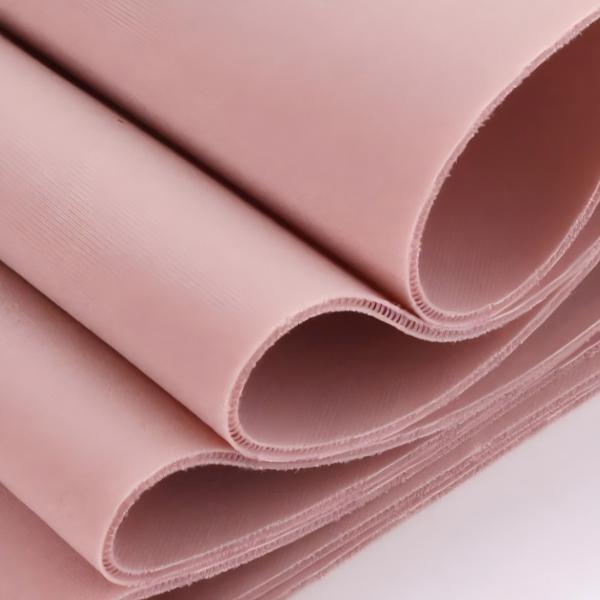
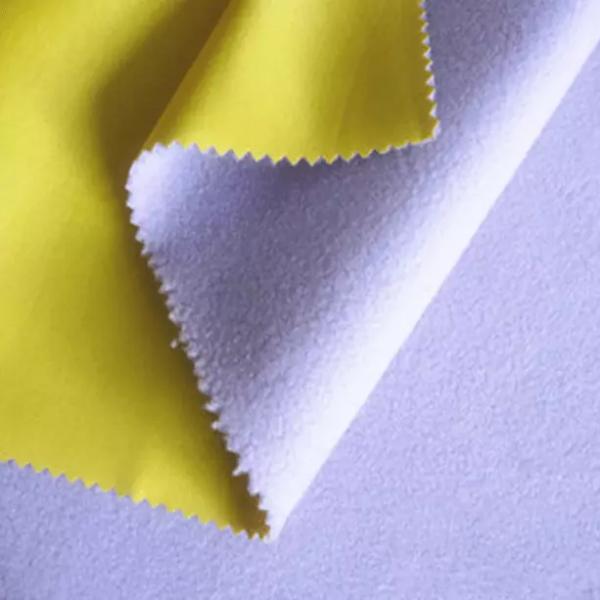
Bonded fibers are fibers joined by heat, chemicals, or glues to form a composite material. These materials have big drawbacks: poor durability, discomfort, high costs, cleaning problems, and harm to the environment. Common issues include delamination, poor breathability, and non-recyclability. Many types of bonded fabric, like those for clothes and industrial items, have these problems. Bonded fabric performance often drops quickly because the glues break down. People must replace items made from bonded materials often, raising long-term costs. The lack of airflow can cause discomfort during exercise as sweat builds up. Cleaning bonded fabric is hard because high heat can weaken the bond. Since they cannot be recycled, they add to landfill waste. These downsides affect users in many applications.
Key Takeaways
- Bonded fabrics fall apart fast and can’t be fixed, so you may need to replace them often.
- They hold in sweat and feel stiff, making you uncomfortable during exercise or everyday use.
- Bonded fabrics cost more to make and need gentle cleaning so they don’t get damaged.
- Most bonded fabrics cannot be recycled and end up in landfills, which hurts the environment.
- Picking knitted options can save you money, make you more comfortable, and cut down on waste.
Durability Limitations of Bonded Fabric

Delamination and Irreparable Damage
When a manufacturer bonds layers of fabric together, the material becomes permanent. You cannot repair it once damage happens. A worker cannot re-bond layers that have come apart at home or in a repair shop. This permanent construction is a big limitation of bonded fabric.
Rough handling speeds up delamination. When a user pulls, stretches, or washes the material roughly, the bond between layers gets weaker. Then the layers come apart. This separation, called delamination, leaves bubbles, wrinkles, and loose spots across the surface. A jacket worn during hiking may show delamination after rubbing against backpack straps again and again. In the same way, delamination can appear in upholstery after months of daily use.
Bonded fabric is also less durable than woven or knitted options. Traditional fabrics get their strength from interlocking yarns. Bonded materials depend on adhesives or heat-sealed points. These connection points break under stress. A bonded garment may last only a small part of the time a knitted one lasts. Manufacturers and suppliers know about this gap. Many now offer knitted choices for buyers who need materials that last longer.
Delamination and a short lifespan directly hurt the user. A delaminated jacket loses its windproof or waterproof function. The user has to replace the item sooner than expected. Replacing items often raises long-term costs. For B2B buyers, this means higher procurement budgets and more inventory turnover. For individual consumers, it means frustration and wasted money.
Short Lifespan and Wear
Bonded fabrics wear out faster than many people expect. The adhesive or thermal bonds break down over time. Heat, moisture, and mechanical stress all make this happen faster. A bonded fibre garment may show visible wear after only a limited number of wash cycles. The surface may pill, crack, or separate at stress points.
Everyday use takes a toll. Elbows, knees, and shoulders go through repeated flexing. These areas often show the first signs of failure. A bonded fabric used in sportswear may lose its shape after several intense workouts. The material stretches permanently and no longer fits properly. This short lifespan forces users to buy replacements more often.
The impact on users is practical and financial. A person who buys a bonded jacket every year spends more than someone who buys a durable knitted jacket once every several years. For a wholesale buyer or manufacturer, poor durability means more returns, more customer complaints, and possible damage to brand reputation. The limitations of bonded fabric become clear when users compare total cost of ownership against other materials.
Comfort Issues in Bonded Fibres

Poor Breathability and Sweat Buildup
Bonded fabric holds in air and moisture because the glue layers stop airflow. This poor airflow creates a hot, sticky feeling next to the skin. Someone wearing a bonded jacket on a fast walk may feel sweat collecting on their back in just minutes. The material cannot let water vapor out fast enough to keep the body dry.
Studies on two-layer sportswear show clear differences in breathability. Fabrics with a 90% polyester/10% elastane inner layer had lower water vapor resistance than layers that contained cotton. Lower resistance means air passes through more easily. Thermal resistance values went from 10.56 to 61.16 (×10⁻³ K·m²·W⁻¹) among the samples tested. The highest value worked well for cold seasons, but that kind of insulation often reduces moisture transfer. These measurements followed ISO 11092 standards using Alambeta® and Permetest® equipment. A manufacturer or wholesale supplier must balance warmth and breathability for each design.
Stiffness and Skin Irritation
Bonded materials often feel stiff and hard. The glues and thermal bonds limit how naturally the fabric can move. This stiffness rubs against the skin and causes chafing, redness, and irritation. A bonded seam on a shirt collar may scratch the neck all day at work. Athletes who wear bonded sportswear report discomfort during repeated motions like running or swinging.
Tailoring bonded fabric brings extra problems. The material does not drape or shape to body curves like knitted options do. Poor drape hurts the fit, and a loose or tight fit makes comfort worse. Thermal absorptivity testing showed big differences among samples (p = 0.011), meaning some bonded fabrics feel cold or damp on contact. Thermal conductivity ranged from 20.26 to 56.47 (×10⁻³ W·m⁻¹·K⁻¹), affected by thickness and stitch density. These comfort issues push users toward knitted choices for daily wear and sportswear. A factory or custom supplier can fix these problems by choosing breathable, flexible materials instead.
Practical Challenges of Bonded Fabric
High Production and Material Costs
Cost is a big problem for anyone who works with bonded fabric. Natural fabrics used in bonded constructions usually cost more. Fully synthetic bonded fabrics are often cheaper. A manufacturer has to compare these choices with what the fabric needs to do.
The face and backing fabrics each do not work well for clothing on their own. Each layer is too light by itself. When a factory adds weight to make the fabric wearable, the price goes up a lot. This higher cost makes bonded fabric less appealing for wholesale programs that focus on budget.
A supplier who wants to offer competitive prices faces a hard choice. They can use cheaper synthetic layers and accept lower quality. Or they can use natural layers and charge more. Neither choice is perfect for every buyer.
Cleaning, Heat Sensitivity, and Processing Difficulties
Working with composite bonded fabrics is fairly hard. A factory must control heat, pressure, and timing very precisely. Small mistakes can ruin a whole batch.
Bonded fabrics can act in unexpected ways with certain thread weights, stitch lengths, or tension settings. A sewer who uses the wrong mix may cause puckering or weak seams. Adhesives that do not work together can weaken the original bond. Water-soluble adhesives may cause problems when the garment gets wet. These issues make quality control harder for any manufacturer.
Cleaning bonded fabric creates real problems for the user. High heat can soften or break the adhesive bond. A consumer who washes a bonded jacket in hot water may find the layers coming apart. Dry cleaning solvents can also harm certain adhesives. Many types of bonded fabric need gentle, cold-water washing. This care requirement adds hassle and limits how long the item lasts.
Heat sensitivity affects daily use too. A bonded fabric item left in a hot car may delaminate. An iron put directly on the surface can melt the bond. These risks frustrate users who expect normal fabric care.
For readers who want better options, STARKE is a trusted manufacturer and wholesale supplier of premium knitted fabrics. The company runs its own knitting, dyeing, and bonding factories. STARKE offers custom knitted fabrics with certifications like OEKO-TEX Standard 100 and Global Recycling Standard (GRS). These alternatives avoid many processing and cleaning problems found in woven bonded fabric and non-woven bonded fabric. A buyer who needs durable, breathable materials can find better solutions through a supplier with full production control.
The practical challenges of bonded fabric go beyond the factory floor. They affect cost, processing, cleaning, and long-term use. A woven bonded fabric may offer strength in some applications. A non-woven bonded fabric may work well for disposable items. Yet both face the same core difficulties. These issues push many buyers toward knitted alternatives that perform better across the full product lifecycle.
Environmental Impact of Bonded Fibres
Non-Recyclability and Waste
Bonded fabric blends different materials together. A maker may mix a polyester face with a foam backing and a glue layer. This blend makes recycling nearly impossible. Recycling plants cannot split the layers apart without ruining them. The glues also pollute the recycling stream. So most bonded fabric ends up in the trash after use.
This waste problem grows with every production run. Factories cut patterns from large rolls of bonded material. The leftover scraps cannot go back into the supply chain. Offcuts from one batch rarely match the color or weight of another order. A wholesale supplier has to throw these scraps away. The same fate waits for worn-out garments and used industrial items.
Landfill and Sustainability Concerns
Bonded fabrics pile up in landfills because they do not break down quickly. Synthetic layers resist natural decay for many years. The glues add another layer of persistence. Every tossed jacket or upholstered panel takes up space that could hold biodegradable waste.
High fashion brands avoid most types of bonded fabric for this reason. These brands face pressure from customers who care about sustainability. A designer who wants to meet green goals cannot easily use a bonded material. The fabric works against the brand’s environmental message.
This reality hurts the user’s sustainability goals too. A company that promises eco-friendly products cannot depend on bonded materials. A consumer who tries to cut waste must throw bonded items in the regular trash. Neither group can recycle or compost them. The environmental cost of bonded fibres therefore reaches far beyond the factory gate. It follows every product to the end of its life.
Bonded fabric has useful applications, but users face clear trade-offs. Poor durability forces frequent replacement. The bonded material delaminates easily, and users cannot repair the damage. Limited breathability traps sweat, causing discomfort during daily wear. Stiff fabric irritates the skin throughout use. Practical challenges include high production costs from the manufacturer and difficult cleaning for bonded items. The bonded layers require gentle care, and heat damages the adhesive bond. Environmental impact adds another serious concern. Non-recyclability sends bonded fabric to landfills. These drawbacks affect every user, from the wholesale buyer to the individual consumer. Understanding these trade-offs helps users make informed choices.
FAQ
How long do bonded fabrics typically last?
A bonded fabric often wears out faster than woven or knitted materials. Heat, moisture, and mechanical stress break down the adhesive bonds over time. Users may see delamination, pilling, or cracking after limited wash cycles. A manufacturer or wholesale supplier can advise on expected lifespan for specific applications.
Can users repair delaminated bonded fabric at home?
No. Once layers separate, a user cannot re-bond them at home or in a repair shop. The permanent construction makes delamination irreparable. Rough handling and repeated washing speed up this separation. A factory or custom supplier cannot fix the damage either.
Why do bonded fabrics feel uncomfortable during exercise?
The adhesive layers block airflow and trap moisture next to the skin. Sweat builds up quickly during physical activity. Stiffness from thermal bonds causes chafing and irritation. These comfort issues push athletes toward breathable knitted alternatives for sportswear.
How should users clean bonded fabric items?
Users should wash bonded fabric in cold water and avoid high heat. Hot water can soften the adhesive and cause delamination. Dry cleaning solvents may also harm certain bonds. An iron placed directly on the surface can melt the bond. Gentle care extends the item’s lifespan.
Are bonded fabrics recyclable?
Most bonded fabrics are not recyclable. The mix of different materials and adhesives makes separation nearly impossible. Recycling plants cannot process these blends without ruining the layers. As a result, bonded items end up in landfills and contribute to waste problems.