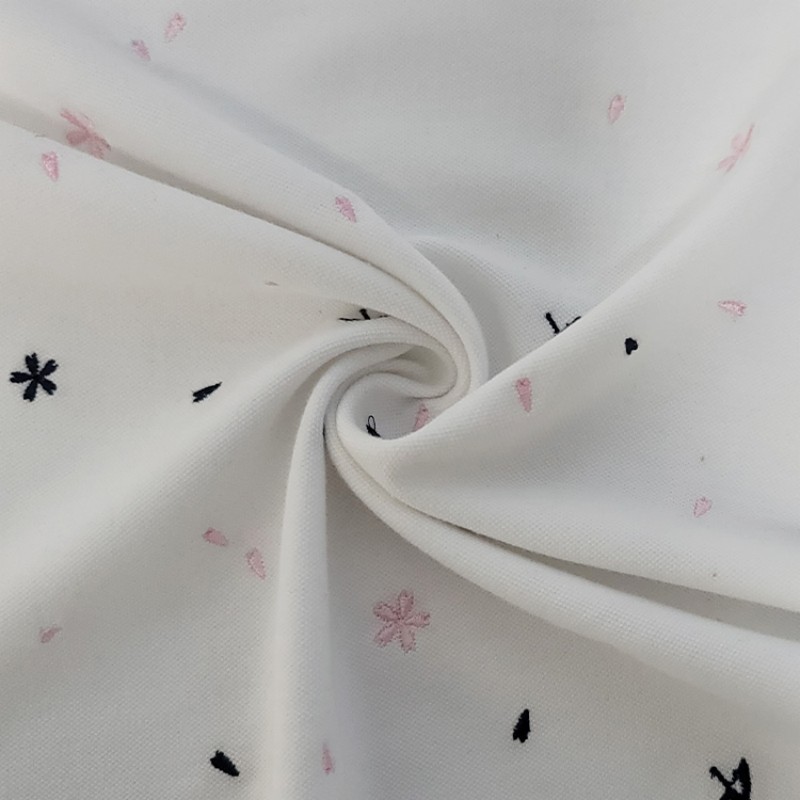
People are always looking for the perfect fabric for clothing. The pros and cons of piqué fabric demonstrate that no fabric is perfect. Piqué’s uniqueness lies in its look and feel. Many people know piqué as a popular choice for making polo shirts and sportswear. The advantages and disadvantages of this fabric depend on comfort, durability, and appearance.
Key Takeaways
- Pique is strong and durable, and doesn’t easily deform. This makes it ideal for making long-lasting garments.
- Pique is breathable, so it feels cool to wear. It’s perfect for hot weather and occasions requiring a lot of physical activity.
- The special feel of piqué helps wick away sweat. This makes it ideal for sports and outdoor activities.
- Pique has a beautiful appearance and can be styled in many ways. However, it requires extra care to prevent wrinkles and snags.
- Consider the level of comfort you want and the needs of your activities. Piqué may not be suitable for everyone.
Pros of pique fabric
Durability
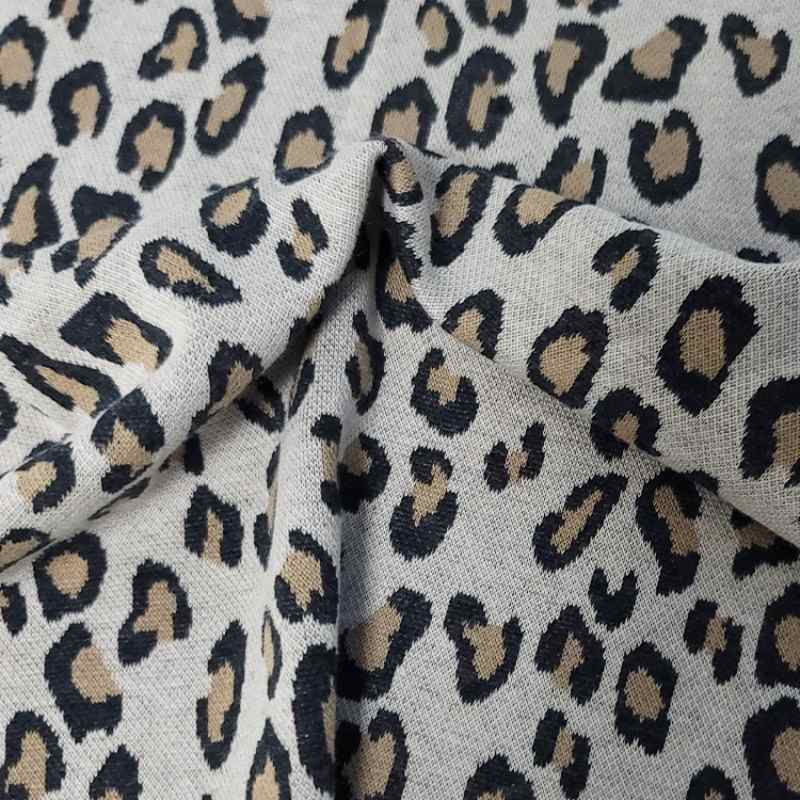
Pique fabric is renowned for its strength and durability. Its special knitting process makes it more resilient than regular plain knit or rib knit fabrics. This means it can withstand more stretching and use without tearing. Sportswear brands favor piqué because of its longevity. It retains its shape even after multiple washes. This fabric doesn’t stretch or sag, so garments stay looking new for longer. This is a major reason for choosing piqué for those seeking durable clothing.
Breathability
Pique knit fabric is extremely breathable. The tiny holes in its knit structure allow air to circulate. It keeps you cool when worn. Tests show that piqué is more breathable than plain knit or double knit fabrics. Therefore, it’s ideal for hot weather or athletic wear. People wearing piqué shirts will feel cooler because the fabric doesn’t trap heat.
Appearance and Touch
Pique material fabric has a slightly textured, non-smooth feel. It features a honeycomb or waffle pattern and a classic look. Many people appreciate its absorbent properties. This texture helps sweat dry quickly and hides sweat stains. Therefore, piqué is ideal for sports and outdoor activities.
Pique fabric gives garments a stylish and timeless look. The fabric surface is firm yet comfortable, providing an excellent wearing experience.
Versatile Use
Pique fabric can be used to create a variety of garments. Designers use it for sweaters, polo shirts, and lightweight jackets. It’s suitable for both casual and formal occasions. You can wear piqué clothing for sports, work, or leisure activities. This makes it a top choice for many.
Comfort
Piqué fabric is soft, comfortable, and resistant to deformation. Its unique knit structure allows for freedom of movement. People feel comfortable wearing piqué all day long. It doesn’t cling to the body, is breathable, and allows for free movement. Many people choose piqué for uniforms and sportswear because of its skin-friendly comfort.
Moisture-wicking
Piqué helps wick away sweat during exercise. Its textured surface quickly draws sweat away from the skin, helping it dry faster and keeping the body dry. This fabric also hides sweat stains, making it ideal for sports or outdoor work. Many athletes and workers choose piqué for this reason.
| Certification | Description |
|---|---|
| OEKO-TEX® | Makes sure fabric has no bad chemicals. |
| GRS | Shows the product uses recycled stuff. |
| HIGG | Checks how making the fabric affects people and nature. |
Cons of pique fabric
Care needs
Pique fabric requires special care. It wrinkles easily if not ironed. Many people find wrinkles after washing piqué shirts. The honeycomb texture attracts lint, making washing time-consuming. If you want easy-care garments, piqué may not be the best choice.
Prone to Snagging
Pique fabric has a raised texture. This makes it easy for sharp objects to snag. Snagging forms small loops or pulling marks on the fabric. These snags make your clothes look old and worn. Children and people who exercise frequently are more prone to snagging.
Weight and Thickness
Pique fabric is available in various weights and thicknesses. Lighter styles, such as baby piqué and micropiqué, are suitable for hot weather and sportswear. They are breathable and help sweat wick away quickly. Thicker styles, such as double-layered piqué, are warmer and less prone to deformation. Thick piqué fabric can feel too hot in summer. Some people prefer lightweight piqué because it’s cooler to wear.
Price
Piqué is more expensive than regular knit fabrics. Its manufacturing process and texture determine its price. High-end piqué shirts, such as designer polo shirts, can be very expensive. People looking for affordable clothing may choose other fabrics. Higher prices generally mean better quality, but not everyone is willing to pay a higher price.
Limited Elasticity
Piqué has limited elasticity. It’s not as stretchy as knit fabrics containing spandex. This affects the fit and freedom of movement of the shirt. Some people find piqué shirts not flexible enough and unsuitable for sports. People who need more elastic clothing may choose other fabrics.
Rough Touch
Some people find piqué rough to the touch. The uneven surface may irritate sensitive skin. Many people appreciate the firm feel of piqué, while others prefer a softer fabric. Special finishing processes can make piqué even softer, but ordinary piqué can still feel slightly rough.
Wrinkles Easily
Pique fabric wrinkles easily. Tightly knitted fabrics recover their shape more easily than loosely knitted fabrics. Folding helps prevent wrinkles. Wrinkles along the warp direction recover more easily than wrinkles along the weft direction. Those who prefer wrinkle-free clothing may not like piqué. Ironing helps, but piqué is still prone to wrinkling.
The advantages and disadvantages of piqué indicate that it has both benefits and drawbacks. Before choosing piqué, you should consider care, comfort, and the intended use of the garment.
When to choose piqué?
Best uses
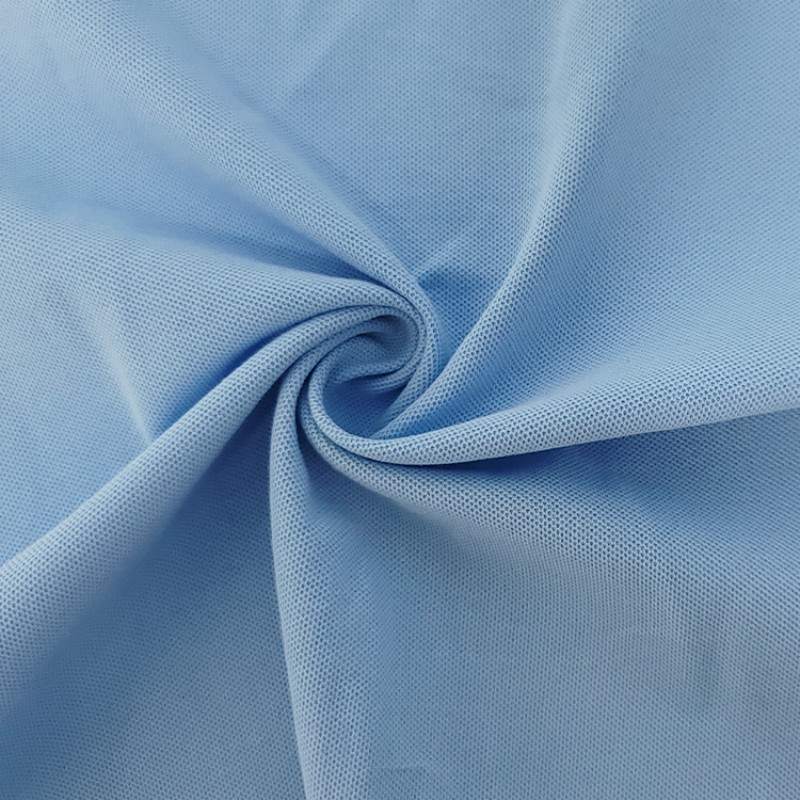
Pique fabric excels in many situations. It’s commonly chosen for clothing where staying cool and dry is crucial. Its loose weave allows air to circulate, helping to keep the body comfortable in warmer weather. The structure of piqué gives shirts and dresses a crisp look and prevents them from sagging or deforming. Many brands use piqué for polo shirts, which look stylish and appropriate for both casual and semi-formal occasions.
Pique is also frequently used in sportswear. Its moisture-wicking properties quickly remove sweat, keeping athletes dry and helping them focus on the game. Designers often choose piqué for team uniforms and gear. This fabric is durable and maintains its condition even with frequent exercise and washing. People who seek both comfort and style often choose piqué clothing.
When Not to Use Piqué
Pique fabric isn’t suitable for all projects. Some people may not like the feel of this fabric on sensitive skin. Its uneven surface can feel rough. Those who want a very soft fabric may need to look for other options. Piqué wrinkles easily. If you want easy-care garments, piqué may not be ideal.
This fabric has limited elasticity. Tight-fitting sportswear or yoga wear may require more elasticity than piqué. Heavy piqué can feel too hot in hot weather. Those who want a lightweight, smooth, and stretchy fabric should probably avoid piqué.
Piqué fabric is known for its breathability. It’s durable and has a classic look. Many people love its comfort. Even in hot weather, this fabric holds its shape well. However, piqué also has some drawbacks. It wrinkles easily and doesn’t stretch much. Piqué is also more expensive than other knitted fabrics. When choosing piqué, consider its breathability and manufacturing process.
FAQ
What is piqué made of?
Pique fabric is typically made from cotton, polyester, or blends. Cotton piqué is soft and breathable. Polyester adds strength to the fabric and helps it dry faster. Some brands use recycled fibers to produce environmentally friendly products.
How to care for piqué?
Wash piqué in cold water. Select a gentle cycle. Hang or lay flat to dry. Iron on a low heat if necessary. Avoid sharp objects to prevent snagging.
Is piqué suitable for hot weather?
Yes, piqué is perfect for warm weather. Its knitted structure is highly breathable, helping to keep the body cool and dry. Many people choose piqué fabric for their summer shirts and sportswear.