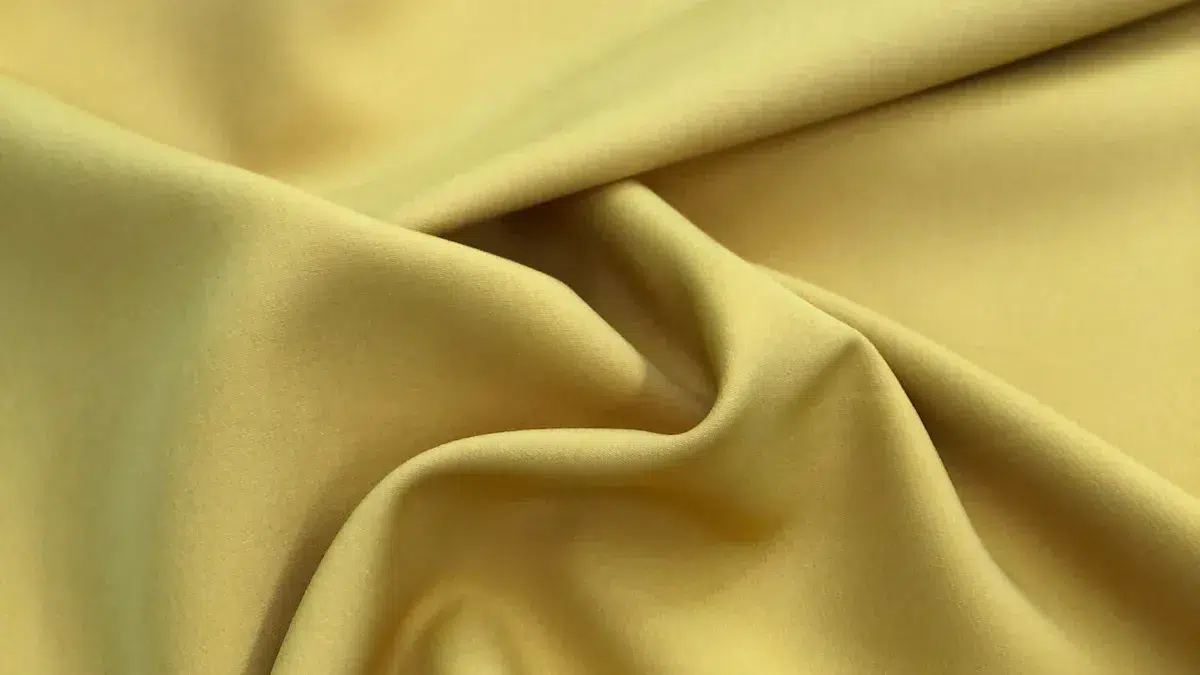
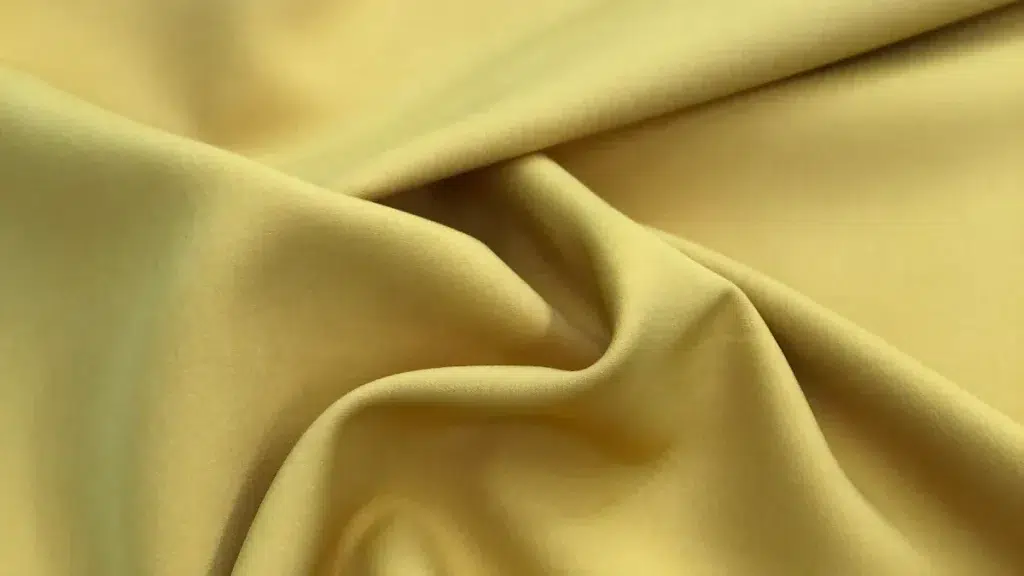
Scuba fabric is a medium-weight double-knit textile, usually a polyester blend, with smooth faces, a soft body, and two-way stretch. The name comes from the construction rather than the fiber, and it has nothing to do with neoprene, the rubber sheet used in wetsuits.Shoppers often assume the two are alike, yet scuba is a knit and not a foam. In textile terms it is a stretchy knit with a spongy touch that holds shape well, resists wrinkling, and suits structured garments.
Starke’s knitted fabrics take this further, with scuba, fleece, jersey, and bonded fabrics in one range, backed by OEKO-TEX Standard 100 and GRS certified production.This guide covers how scuba’s double-knit structure shapes its hand, and where the fabric fits in garment design.
Key Takeaways
- Scuba fabric is a stretchy double-knit textile, not neoprene.
- It holds its shape well and resists wrinkles.
- It works for many clothes like dresses, skirts, and sweatshirts.
- Beginners can sew it easily because it does not curl or fray.
- Wash it gently in cool water and air dry flat to keep its stretch.
What Is Scuba Fabric?
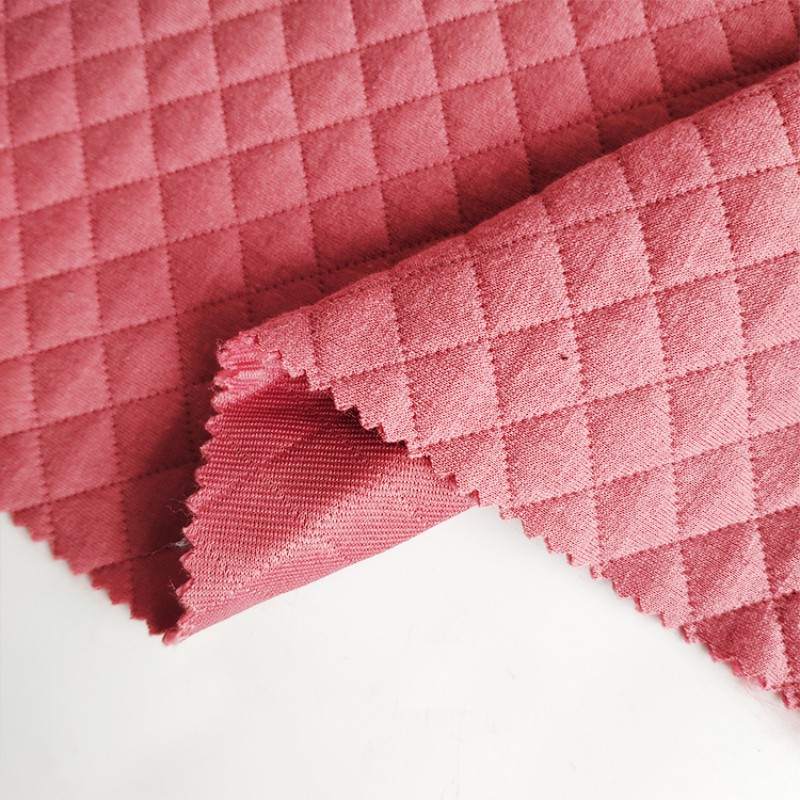
Scuba fabric is a medium-weight, double-knit textile. The name describes the structure, not the fiber. Two sets of needles work together on the machine, and the result is a fabric with structure and stretch in one piece. Many shoppers ask what is scuba fabric and expect a foam sheet. They picture a wetsuit. The answer is simpler: a polyester blend with smooth faces and a soft, cushioned hand.
Fashion labels sometimes borrow the word for neoprene-style garments. That habit creates confusion. True scuba fabric is a double knit fabric with a soft hand, not a rubber sheet. Both faces stay smooth, and the surface carries a low sheen. A supplier can print, dye, or custom finish the material for wholesale orders.
The hand feel tells the story. Press a swatch, and the slightly spongy body pushes back. That cushion comes from the double-knit build, not from foam. A buyer who asks what is scuba in a showroom can test it this way in seconds.
How Is Scuba Fabric Made?
Knitters answer the question how is scuba fabric made with one word: interlock. Two layers of loops form at the same time, and each layer links to the other. A typical blend pairs polyester with spandex. The polyester gives body and a smooth face. The spandex adds two-way stretch and recovery. The double-knit structure explains the behavior. The two layers lock the loops in place, so it springs back after pulling. Mills can adjust weight, gauge, and spandex content. A buyer who asks how is scuba fabric made for a specific program gets a sample within about a week from a full-service factory. That speed matters for wholesale buyers who test several qualities before a season. Weight and gauge choices shape the final product. A heavier quality suits outerwear and structured skirts. A lighter quality suits tops and activewear. The same double-knit fabric can serve both ends of a range. Mills check each lot for weight and stretch recovery before shipping. That check protects the buyer. Color matching follows the same sample round.
Scuba vs. Neoprene
The two materials share a smooth look, and that look drives the mix-up. A neoprene-like surface appears on both, yet the cores differ. Neoprene is a rubber-based sheet, often laminated to a textile backing. It feels firm and holds a molded shape. Scuba knit is a soft textile with drape. It moves with the body and folds without cracking. Compared to neoprene, the knit offers a gentler hand and easier sewing on a home machine. Neoprene wins where insulation and water resistance matter, such as wetsuits and protective covers. The knit wins where comfort and color matter, such as dresses, sweatshirts, and leggings. Neither option is better in every case. Each one fits a different job. A manufacturer that runs both lines can guide a buyer toward the right pick. Double knits like this one also take prints well, and that flexibility helps a brand build a coordinated range. Buyers who compare the two often choose it for fashion and neoprene for gear. Care also differs. It washes gently and air dries flat. Neoprene needs its own routine.
Key Properties of Scuba Fabric
Stretch, Structure, and Recovery
Stretch defines the daily behavior of scuba fabric. The double-knit build gives most qualities two-way stretch, and some qualities add 4-way stretch for garments that move in every direction. Spandex in the blend supplies the spring. The loops pull apart under tension and then return to their original position. That recovery keeps knees, elbows, and seats from bagging out over a season.
Shape retention sets this material apart from softer knits. A dress cut from it keeps its line through a long day. A skirt holds a clean flare instead of collapsing. The structured-yet-stretchy feel explains why designers reach for it. A wholesale buyer can test recovery on a sample by stretching a swatch and watching how fast it snaps back. Suppliers who control their own factory can adjust spandex content to tune that response.
Weight, Drape, and Sheen
Medium weight gives scuba fabric its body and structure. The fabric hangs in full folds rather than clinging, and it skims the body without sagging. A maker can choose a heavier quality for outerwear or a lighter one for tops. Either way, the material keeps a smooth, sleek finish on both faces.
The surface carries a low-luster sheen. Light grazes it softly instead of bouncing off. That quiet finish suits workwear, dresses, and modern activewear alike. Stability matters here too. The dense knit resists wrinkling in packing and travel, and it holds a pressed edge. A manufacturer can add finishes such as anti-pilling or moisture-wicking during production. Custom options let a brand match the hand and look to a specific line.
What Is Scuba Used For?
Scuba fabric is used all over the fashion industry to make many kinds of clothes. Common uses include sweatshirts, dresses, skirts, workwear, activewear, and structured garments. Designers like the fabric because it balances body and stretch. A wholesale buyer who asks how is scuba fabric used in a seasonal line will find it in both casual and tailored pieces. The same roll can become a fitted dress or a boxy jacket. The variety of scuba fabric used in one collection can span several weights. Each quality can be customized to meet a specific end use. That range makes the material a practical choice for a manufacturer building a coordinated collection.
Fashion and Sportswear Uses
Sweatshirts and hoodies are among the most common uses. The medium weight gives them a clean line without bulk. Dresses and skirts come close behind. A flared skirt cut from scuba holds its flare through a full day of wear. Workwear pieces such as pencil skirts and structured tops gain from the dense knit. Activewear lines use lighter qualities for leggings and sports tops. Structured garments like blazers and sheath dresses depend on the fabric’s body to keep a sharp silhouette. Matching sets and loungewear also fit the smooth surface. Prints and solid dyes both take well on the smooth face. A buyer can order swatches in several weights to compare hand and drape.
Starke Textile supplies scuba fabric to brands across casual, outdoor, and professional sportswear markets. The company’s factory offers custom weight, color, pattern, and finish options. Functional treatments such as moisture-wicking, quick-dry, and anti-pilling widen the range of end uses. Buyers often ask how is scuba fabric used in performance lines, and these finishes answer that question. A supplier with in-house knitting, dyeing, and bonding can match a sample to a buyer’s spec within about a week. That turnaround helps wholesale buyers test several qualities before committing to a season. OEKO-TEX Standard 100 and GRS certifications support quality and environmental claims.
Advantages and Limitations
The advantages start with the way garments hold shape through repeated wear and washing. Hems stay flat and seams stay straight. The dense knit resists wrinkling, and garments keep a smooth, sleek finish on both faces. Sewing is simple. The material does not curl or fray easily, and it runs well on a standard machine with a stretch needle. A manufacturer can cut and stitch it with confidence, even at high volume. Beginners finish clean projects on the first try.
Limitations deserve an honest look. The same density that gives structure can trap warmth, so heavy qualities may feel hot in summer. Breathability varies with weight and finish. A lighter quality with a moisture-wicking treatment moves air and vapor better than a heavy, untreated one. Buyers who plan warm-weather lines should request a breathability check on the sample. Weight selection solves most of these issues before production begins. Neoprene offers more insulation where that matters, while scuba knit wins on drape and comfort. Neither option suits every job. A supplier who runs both lines can steer a buyer toward the right pick.
Sewing and Caring for Scuba
Cutting and Stitching Tips
Scuba fabric treats beginners kindly. The dense knit does not curl at the cut edge, and it does not fray easily. A sewer can lay out a pattern, cut clean pieces, and skip the seam-finishing steps that softer knits demand. The material holds its shape on the table, so pieces stay flat and lines stay true. A regular sewing machine handles the job well. A stretch or ballpoint needle pierces the knit without snagging the surface. A narrow zigzag stitch or a slight stretch stitch lets the seam move with the fabric.
A few habits keep results clean. Sharp scissors or a rotary cutter prevent ragged edges. Pattern weights hold the fabric steady better than pins, which can leave marks on the smooth face. A sewer should test stitch length and tension on a scrap first. The same advice applies at factory scale, where a manufacturer sets machines once and checks the first pieces before a wholesale run. Light pressing with a cool iron smooths seams without flattening the spongy hand.
Washing and Care
Gentle care protects the stretch and the shape of scuba fabric. A cool, gentle cycle with a mild detergent keeps the knit fresh. High heat works against the material. Hot water and a hot dryer can relax the spandex and dull the smooth face over time. Air drying flat preserves both the recovery and the drape. A hanger works for lighter qualities, and a flat rack suits heavier ones.
A few simple rules extend the life of any garment made from this fabric. Turn pieces inside out before washing to guard the surface. Skip fabric softener, which can coat the fibers. Store folded garments away from direct sun. A supplier can confirm the best routine for a specific quality, since weight and finish vary. These habits keep color, stretch, and shape intact through many wears.
Scuba fabric is a stretchy double-knit textile, not neoprene. That one fact clears up most of the confusion about the name. The material keeps its shape, sews easily, and works for everything from sweatshirts to structured dresses.
Its versatility makes scuba a smart choice for a first project or a full wholesale range. A manufacturer can customize weight, color, and finish to match a specific line. Readers should try this fabric in their next project and see the results for themselves.
FAQ
Is scuba fabric the same as neoprene?
No. Neoprene is a rubber-based sheet, and scuba is a double-knit textile. Both share a smooth surface, yet the knit drapes softly and sews easily on a home machine. Neoprene suits wetsuits and protective gear. The knit suits dresses, sweatshirts, and leggings.
What is scuba fabric made of?
Most qualities blend polyester with spandex. The polyester gives body and a smooth face. The spandex adds stretch and recovery. A manufacturer can adjust weight, gauge, and spandex content to match a buyer’s spec, and a supplier typically delivers a sample within about a week.
Does scuba fabric stretch in both directions?
Most qualities offer two-way stretch, and some offer 4-way stretch. The double-knit loops pull apart under tension and spring back. That recovery keeps garments from bagging at the knees and seat. Wholesale buyers can test a swatch by stretching it and watching how fast it returns.
Can a beginner sew with scuba?
Yes. The dense knit does not curl or fray at the cut edge, so beginners skip seam finishing. A regular machine with a stretch or ballpoint needle handles it well. Pattern weights work better than pins on the smooth face. A cool iron smooths seams without flattening the hand.
How should a buyer care for scuba garments?
Wash on a cool, gentle cycle with mild detergent. Skip fabric softener. Air dry flat to protect stretch and shape. High heat can relax the spandex and dull the surface. Turn pieces inside out before washing, and store them folded away from direct sun.