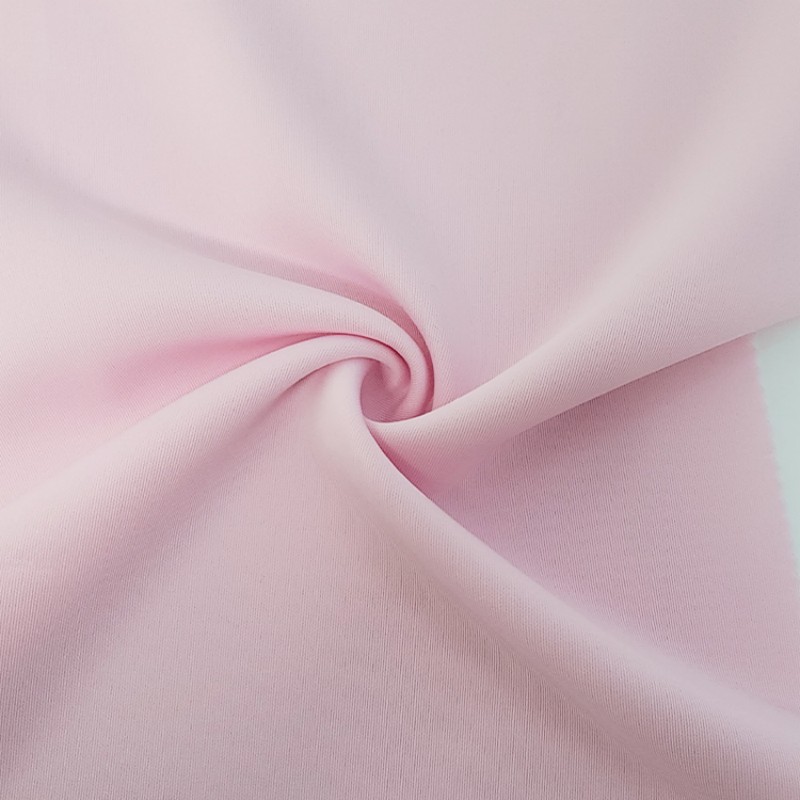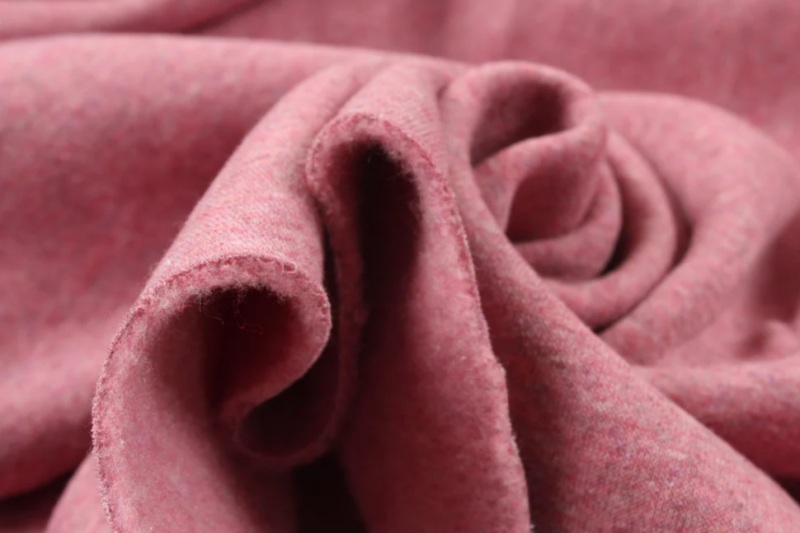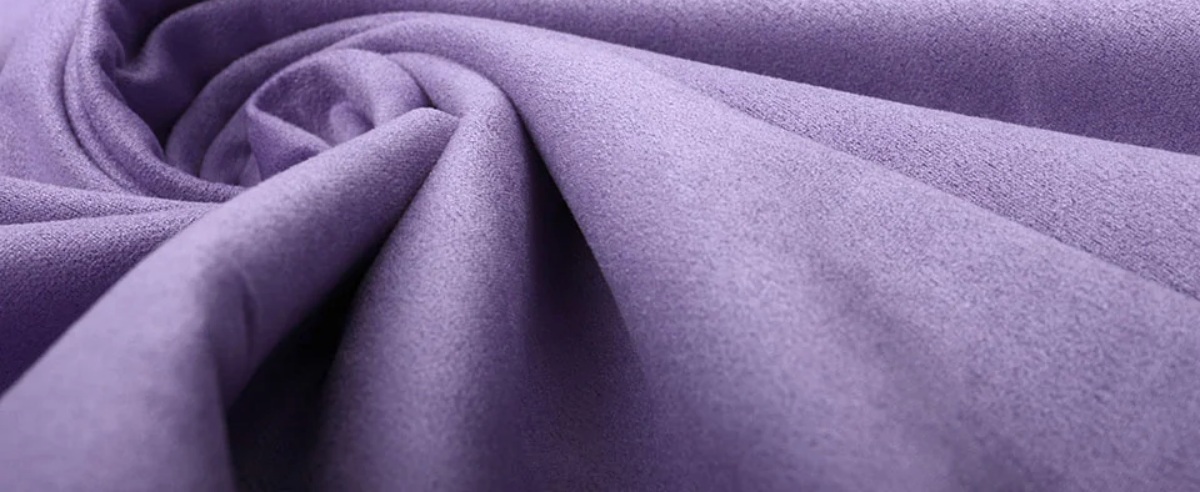
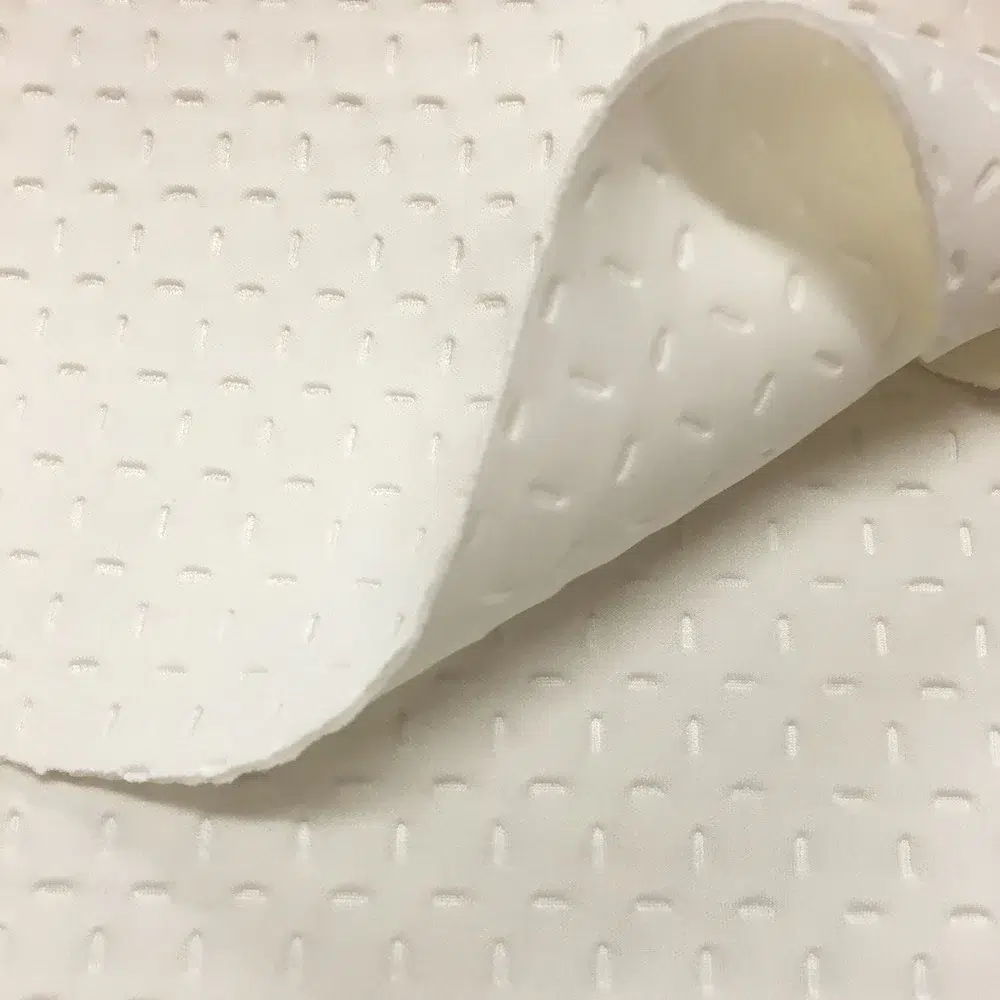
Many people are curious about scuba fabrics: their composition, properties, uses, and care. This fine double-knit fabric is a popular choice for high fashion and sportswear, primarily composed of polyester and a Lycra/spandex blend. Its ultra-smooth surface, tight weave, soft hand feel, and lightweight texture often lead it to be mistaken for neoprene. Consumers also frequently inquire about its elasticity, suitability for summer wear, and suitability for making close-fitting garments.
Key Takeaways
- Diving fabric is a double-knitted fabric made from a blend of polyester and spandex. It has a smooth feel and is highly elastic, making it ideal for making form-fitting garments.
- This fabric is durable, wrinkle-resistant, and resistant to pilling and shrinkage. Garments made from it maintain their shape and appearance for a long time.
- Caring for diving fabric is also simple. Just wash it in cold water, air dry, and then iron it on a low heat to keep it smooth and beautiful.
Scuba fabric composition and properties
.jpg)
What is scuba material?
Scuba fabric stands out for its professional double-knit construction, primarily blended with polyester and spandex to deliver solid structure and moderate elasticity. Unlike Neoprene which is rubber-based chloroprene material for water sports gear, apparel-grade scuba fabric is a pure synthetic knit textile with no rubber composition.
Professional knitted fabric manufacturers adopt advanced knitting and bonding craftsmanship to produce premium scuba fabric and other knit textiles. Reliable suppliers provide customized solutions for personalized fiber blends and special finishing treatments, with mainstream environmental and safety certifications including OEKO-TEX Standard 100 and GRS to meet global brand sustainability requirements.
Scuba knit is a versatile double-knit fabric featured with excellent stretch and elastic recovery, soft handfeel and decent drapability, as well as great wrinkle resistance. It is widely applied to casual wear, outdoor apparel and professional sportswear development.
Scuba material is liked because it is strong, comfortable, and easy to care for. Brands use it for modern clothing styles.
Key characteristics of scuba fabric
Scuba fabric has distinctive traits different from ordinary double-knit textiles. Its tight double-knit structure endows the fabric with good stiffness and three-dimensional silhouette, keeping stable shape without collapsing. It features controlled four-way stretch and opaque property for neat garment shaping, natural wrinkle resistance, anti-pilling and low shrinkage, maintaining stable appearance and wear resistance for long-term use.
- Scuba fabric does not pill or shrink. It keeps its quality for a long time.
- The tight knitting makes it tough against rubbing. Scuba can handle 10,000 to 20,000 rubs before it wears out.
- The filament inside boosts resistance to rubbing. This makes it great for activewear.
- Its thickness and stretch help clothes keep their shape. This supports fitted and structured designs.
| Component | Role in Scuba Fabric |
|---|---|
| Polyester | Gives structure, durability, shape retention, and a smooth look. |
| Spandex | Adds stretch, makes clothes more comfortable, and helps them bounce back after moving. |
Scuba fabric has a smooth and slightly spongy finish. This gives clothes a designer look and feel. The fabric keeps its shape well. It is perfect for bold shapes like boxy cuts and flared hems. Scuba moves with the body and does not sag. It resists wrinkles and lasts long. It also keeps color well.
- Scuba fabric is used in blazers, trousers, shift dresses, and tops.
- The smooth texture gives a structured look. This helps fitted styles stand out.
- Its thickness and stretch help clothes keep their shape.
- The fabric does not drape much. This limits its use in flowy or delicate clothes.
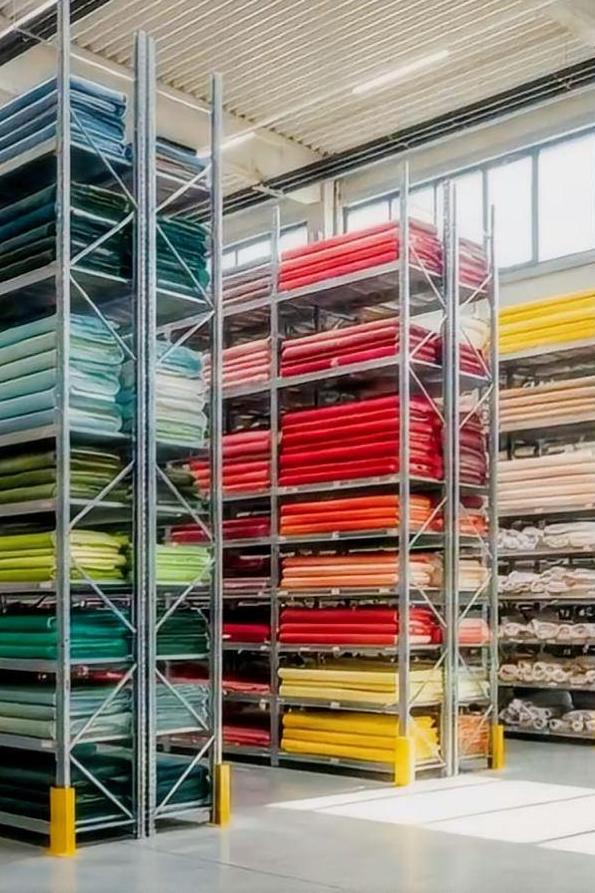
Scuba fabric comes in many colors and patterns. Some colors are black, white, pink, red, purple, orange, yellow, beige, brown, blue, green, gray, silver, multi, and gold.
Scuba fabric is regarded as a more eco-friendly option among synthetic textiles. Many fabric manufacturers adopt recycled polyester materials certified by GRS and low-waste knitting techniques to reduce resource consumption and production waste, supporting the sustainable development of the apparel industry.
| Feature | Description |
|---|---|
| Recycled Materials | Scuba fabric can have 50–70% recycled polyester (rPET), certified by GRS. This saves water and reduces the need for new materials. |
| Low-Waste Production | Low-waste knitting methods like Shima Seiki WHOLEGARMENT® cut down on waste during production. |
Scuba fabric keeps its shape because of its double knit build. The fabric is thick and does not change shape easily. Even tension across the surface helps keep structure.
- Scuba fabric is made with two knit layers that connect.
- It has a tight inside structure. This helps keep its shape.
- Scuba is firmer than softer fabrics. It is great for fitted clothes.
Starke Textile is a reliable factory and custom fabric maker. They offer many scuba fabric choices. Their certified quality and eco-friendly ways make them a top supplier for brands around the world.
Scuba fabric in clothing: benefits and drawbacks
Advantages of scuba style
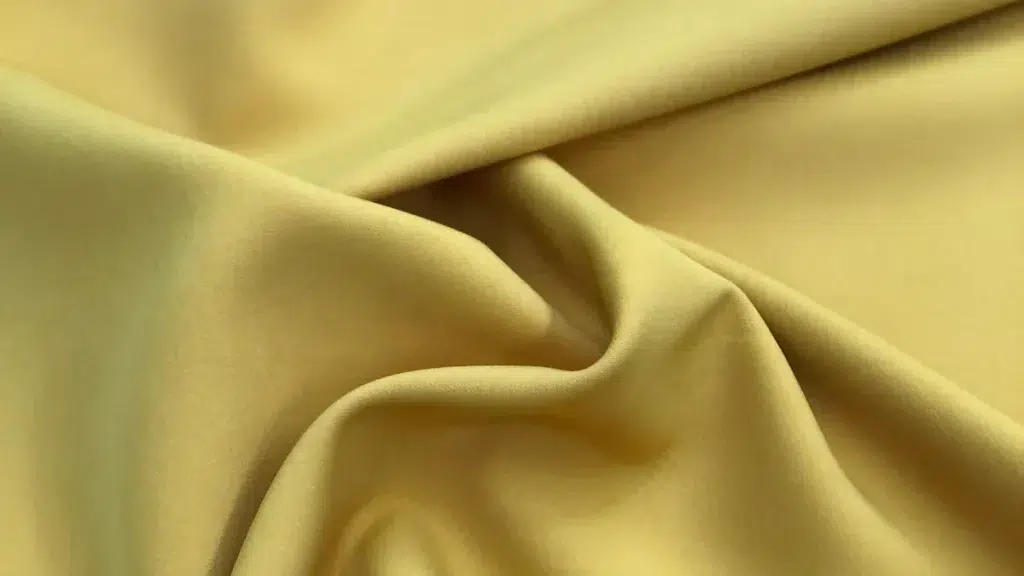
Scuba fabric is special because it holds its shape well. It feels smooth and looks shiny. Designers use it for bold dresses and strong tops. Athleisure clothes also use scuba for a cool look. The fabric can stretch in all directions. This makes clothes comfy and easy to move in. Scuba helps make clothes that keep their shape. The surface stays neat and smooth. This gives outfits a fancy look. Scuba suits do not get rough at the edges. This saves time for people who make the clothes. Qualified scuba fabric is ideal for custom tailored suits, outer jackets and fashion tops, and performs excellently in digital printing and pattern customization. Brands can make fun colors and patterns.
- Scuba suits stretch a lot and stay strong.
- The fabric does not wrinkle and keeps its shape.
- Scuba gear lasts long and is good for daily use.
- The smooth look makes clothes seem fancy.
Disadvantages for clothing
Scuba fabric has some problems too. It does not like heat. If scuba suits get too hot, they can melt. You can iron them, but only with low heat. High heat can leave marks on the fabric. Scuba gear is warm, but not for very cold days. Thick scuba is better for cool weather. Thin scuba is best for warm days. Scuba diving gear needs gentle washing to stay nice.
| Thickness | Climate Suitability | Properties |
|---|---|---|
| Thicker versions | Cooler environments | Gives warmth and keeps heat in |
| Thinner versions | Warmer climates | Lets air in and feels cooler |
| Polyester/spandex | Wicks away sweat | Makes it comfy for sports and moving |
Common uses in clothing
Scuba fabric is used for many types of clothes. Brands use it for tight dresses, skirts, leggings, jackets, and tops. Scuba gear is liked for sports clothes and swimwear. Starke Textile makes custom scuba suits for casual and sportswear. Their fabric is good for printing. This helps make bold and shaped clothes.
- Dresses: Tight and body-hugging styles.
- Skirts: Flared or straight designs.
- Jackets: Strong outerwear.
- Tops: Shaped shirts and sporty styles.
- Swimwear: Bikinis and scuba suits.
- Activewear: Workout leggings and sports bras.
Care tips for scuba fabric
Taking care of scuba suits keeps them looking good. Here are some easy steps:
- Wash scuba fabric in cold water with gentle soap.
- Use a soft wash cycle or wash by hand.
- Let scuba gear dry in the air, not in the sun.
- Iron scuba fabric on low heat with a cloth on top.
- Keep scuba suits in a cool, dry place.
| Care Aspect | Scuba Fabric Instructions | Comparison to Other Synthetics |
|---|---|---|
| Washing | Cold water, gentle cycle | Some can use warmer water |
| Drying | Lay flat or hang dry | Others may use a dryer |
| Ironing | Low heat, cloth barrier | Some can take more heat |
Scuba knit fabric can stretch in all directions. It feels smooth and does not wrinkle. Many people use it for skirts, jackets, and T-shirts. The fabric is soft and keeps its shape well. It works best for clothes that need structure. Urban styles and casualwear use scuba fabric a lot. Starke Textile makes safe scuba fabric. Their fabric is certified and can be customized for many projects.
FAQ
What’s the difference between diving fabric and neoprene?
Diving fabric is made of polyester and spandex. Neoprene is made of rubber. Diving fabric is lighter and smoother than neoprene. Designers choose diving fabric for clothing. Neoprene is used in water sports.
Can diving fabric be stretched to make tight-fitting clothing?
Diving fabric has good elasticity. Spandex helps it bend and move. Designers use diving fabric to make tight-fitting dresses, leggings, and jackets. This fabric retains its shape even after repeated wear.
How does Starke Textile ensure the quality of its diving fabric?
Starke Textile uses certified materials. Their factories follow OEKO-TEX and GRS standards. Before shipping, they check the fabric’s strength, color, and comfort.