
Jacquard print fabric is a textile where the pattern is woven right into the material on a jacquard loom, not printed on the surface. Unlike printed fabrics that sit on top of the cloth or embroidered designs stitched afterward, a jacquard print becomes part of the fabric structure itself. Think of it like knitting a design into a sweater instead of stamping it on. That woven-in approach gives jacquard fabric a raised texture and lasting durability. Manufacturers and suppliers value this method for creating intricate, repeating patterns that survive heavy use. The result is a textile that looks and feels premium from the start.
Key Takeaways
- Jacquard fabric has designs woven right into the cloth, not printed on the surface.
- This design is woven into the fabric, which makes it strong and gives it a raised feel.
- Jacquard fabric is good for upholstery, curtains, and clothes like jackets and dresses.
- Today’s jacquard fabrics can be made from recycled materials, which is good for the environment.
- You can make jacquard patterns your own for your brand, with fast sample making.
How jacquard print fabric is made
The jacquard loom process
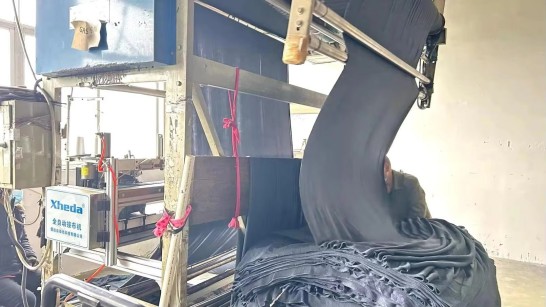
Joseph Marie Jacquard invented the jacquard loom in France in 1804. His machine used punch cards to control each warp thread. This big step let weavers make complex designs with great accuracy. Today’s computerized jacquard looms work the same way. They lift every warp thread on its own to create detailed patterns.
The weaving process follows a clear order. First, workers set up the warp by placing threads at the right length and tension. They treat the threads for strength and pull them through heddles based on the pattern. Next, the loom makes a shed by raising some warp ends and lowering others. The jacquard mechanism controls every thread on its own. A weft yarn then goes through the shed using a shuttle, rapier, or air-jet method. The reed beats each weft firmly against the cloth before it. Finally, let-off and take-up mechanisms keep steady tension as the fabric moves forward.
Electronic jacquard machines are better than mechanical models. They cut down time lost from switching punch cards. This speed allows smaller batch sizes and quicker design changes. Single-end warp control now reaches over 10,000 warp ends. Manufacturers can make almost endless pattern variety without repeats or symmetry limits.
Woven vs. printed patterns
The term “jacquard print” is not correct. The design is woven into the fabric structure, not printed on the surface. This difference matters for quality and how long it lasts. A jacquard print fabric keeps its pattern through repeated use and washing. Printed fabrics may fade or crack over time.
Classic jacquard fabric uses cotton, silk, wool, or linen. These natural fibers take dye well and hold intricate woven details. The jacquard method also works with knitted fabrics. Suppliers like STARKE produce jacquard knit fabrics for sportswear and other uses. These knitted versions offer stretch and comfort along with woven-in patterns.
The woven approach creates depth that printing cannot match. Each thread locks with others to form the design. This structure gives jacquard textiles their raised texture and durability. Buyers who want long-lasting patterns often choose woven jacquard over printed options.
Characteristics of jacquard fabric
Raised texture and durability
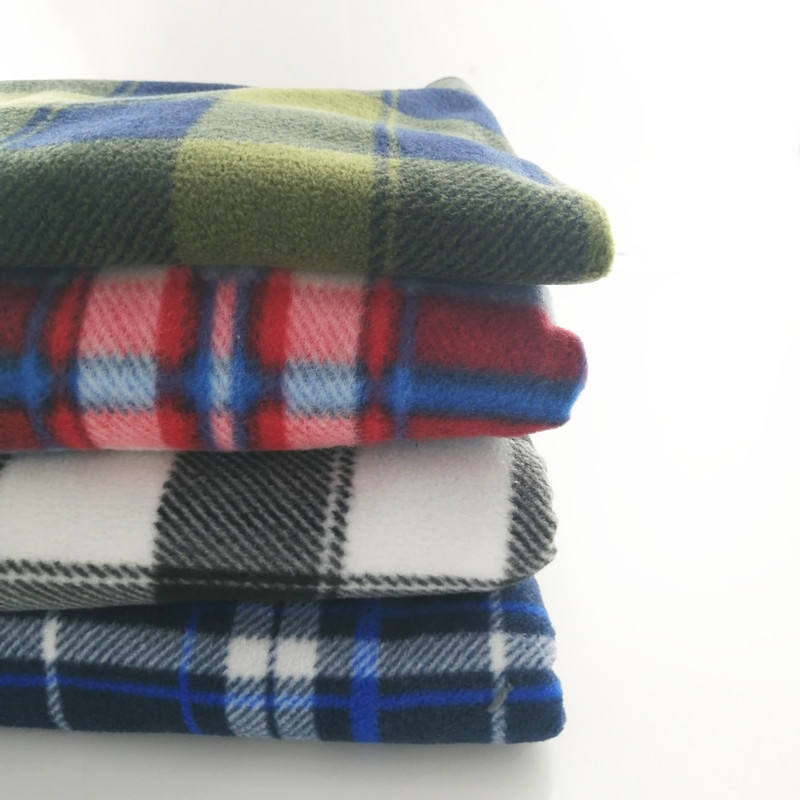
The raised, three-dimensional texture comes straight from the weaving method. A jacquard loom makes different float lengths in the warp direction. Long floats rise on the fabric face in a stepped way, while short floats stay somewhat concave. This back-and-forth pattern creates a continuous wavy skeleton along the warp direction. It also makes an undulating profile along the weft direction. During single-sided differential napping, the long floats pull up into high-pile regions. The short floats only raise their napped ends into low-pile regions. This process gets a natural pile-height drop in one napping pass. Foundation threads give tension and dimensional stability, which keeps the high-pile areas from collapsing. This construction gives the textile its signature raised feel and structural integrity.
Jacquard print fabric is known for exceptional durability. High-quality material weighs 10 to 14 ounces per yard for everyday residential furniture like sofas and dining chairs. A family sofa needs a fabric weight of 10 ounces per yard or heavier for reliable performance. Woven constructions often reach a double rub count of 30,000 or above. This rating makes them suitable for heavy-duty residential use or light commercial applications. The dense weave ensures high tensile strength and tear resistance. The sturdy structure provides long-term shape retention without sagging or distortion. Fabrics weighing under 8 ounces per yard are not suitable for heavy use. They work best for decorative pillows and drapery. Manufacturers choose jacquard print for upholstery and drapery because the pattern forms part of the fabric rather than sitting on the surface.
Textile mills such as STARKE can apply custom finishes to enhance these qualities. Anti-pilling treatments preserve surface quality over repeated use. Quick-dry wicking finishes help moisture evaporate quickly. Optional DWR coatings add light water resistance. Brushing or sueding creates a plush, soft texture. These treatments extend the fabric’s lifespan while maintaining the woven-in pattern. Manufacturers can also request stain-resistant treatments for upholstery applications where spills are common.
Reversible and intricate designs
Many patterns are reversible by nature. Damask, a classic jacquard style, uses one color with two weave structures. The pattern appears on both sides with opposite color arrangements. This reversible quality adds versatility for furniture and apparel applications. Intricate motifs include flowers, geometric shapes, and ornamental patterns. Each detail forms through precise thread interlacing during weaving, giving the design depth that printing cannot achieve.
The complexity of these designs depends on loom capacity. Modern electronic machines control each warp thread independently, supporting over 10,000 warp ends. This capability allows unlimited pattern variety without repeats or symmetry constraints. A fabric supplier can develop custom patterns for branded collections. This efficient process helps brands bring custom products to market quickly.
Jacquard fabric also accepts specialized finishes that add practical value. Anti-pilling treatments keep the surface looking new through repeated use. Quick-dry wicking finishes suit activewear applications by moving moisture away from the body. Manufacturers combine these finishes with recycled fiber options certified under GRS and OEKO-TEX standards. This combination of durability, reversibility, and customization makes the material a preferred choice for upholstery factories, apparel brands, and wholesale distributors. As a custom fabric manufacturer, STARKE offers these options to meet specific client requirements for performance and sustainability.
Types of jacquard print patterns
Damask and brocade
Damask uses a jacquard weave that mixes shiny and dull areas. Light bouncing off the surface creates the pattern on a flat, smooth cloth. This kind of jacquard fabric can be flipped over, and the pattern shows up reversed on the back. Single-color designs give damask a clean, elegant look.
Brocade works in a different way. This jacquard fabric type uses raised or floating pattern areas that pop out from the background. The dense, structured feel usually makes brocade non-reversible. Floral and baroque motifs are common in traditional brocade designs. Metallic threads often show up in brocade, adding a three-dimensional, sculptural quality. Silk and metallic brocade need dry cleaning or hand washing in cool water with pH-neutral detergent.
Tapestry and matelassé
Tapestry is a heavy jacquard weave with pictorial or scenic designs. This jacquard fabric type is dense and structured, thicker and stiffer than damask. Multicolor yarns create story-like or picture-based patterns.
Matelassé copies quilting through its jacquard weave. This jacquard print fabric looks padded or stitched even though it is woven in a single layer. The bubbled or blistered raised effect gives matelassé its soft, sculptural texture. Common uses include bed coverlets and decorative cushions. Modern jacquard knit fabrics from makers like STARKE serve sportswear applications. These knits let you customize weight, color, and pattern. Certifications including OEKO-TEX Standard 100 and Global Recycling Standard (GRS) support sustainable production. Recycled options give a modern twist on traditional jacquard fabric types.
Uses and trends for jacquard
Upholstery and home decor
Jacquard fabric has been used in homes for hundreds of years. Sofas, dining chairs, and decorative pillows depend on its tight weave for daily use. Curtains gain from the heavy structure, so they hang neatly without drooping. Bedding and towels also feature jacquard patterns for a neat look that holds up to many washes. Makers often add stain-resistant coatings for rooms where spills occur. These treatments shield the woven design without hiding it.
A family sofa needs fabric that weighs 10 ounces per yard or more to hold up well. Woven jacquard often gets a double rub count of 30,000 or higher. This rating works for heavy home use or light business settings. Upholstery factories pick jacquard because the pattern is part of the cloth itself. It will not peel or split like a surface print. Wholesale suppliers keep stain-resistant types in stock for hotels, offices, and restaurants. Custom orders let designers match exact color plans and pattern sizes.
Fashion and sustainable innovations
Clothing designers use jacquard for dresses, jackets, and accessories. The raised texture adds visual appeal without extra trim or sewing. Sportswear brands now use jacquard knit for workout clothes. These knits give stretch and breathability along with patterns built into the weave. A supplier like STARKE makes jacquard knit fabrics with choices for weight, color, and pattern.
Shoppers are changing the fashion industry by pushing brands to use sustainable materials. Buyers care more about sustainability, so brands must add recycled fibers into items like jacquard fabrics. Consumer awareness and demand for eco-friendly products have led to the use of recycled polyester jacquard fabric. This material comes from used plastic bottles, which cuts waste and saves resources. Growing consumer knowledge about sustainability is a main force behind the textile recycling industry. This trend directly shapes the jacquard market as brands react by adding recycled fibers into what they make. STARKE holds OEKO-TEX Standard 100 and Global Recycling Standard (GRS) certifications. The company also creates recycled fabrics to help meet global sustainability goals. These stylish jacquard fabrics give brands a way to meet eco-friendly demand without losing design quality.
Jacquard fabric is any woven textile where the pattern is made during weaving, not printed, dyed, or embroidered on the surface afterward.
This construction gives jacquard print fabric great durability and rich texture. A true jacquard print never fades or peels even with repeated use. Traditional jacquard styles work for home decor like upholstery and curtains. They also work well in apparel such as jackets and formal dresses. Modern innovations extend what this material can do. Manufacturers now make knit jacquard for sportswear uses. Eco-friendly recycled options meet the growing sustainability demands of conscious buyers. Buyers who want custom solutions from a textile factory should explore specific pattern types. They should also review care instructions to get the most from fabric performance and longevity.
FAQ
Is it the same as printed fabric?
No. A jacquard pattern gets woven into the cloth as it is made. Printing puts color only on the top. Woven patterns hold up longer and do not fade with repeated use and washing.
Can it work for upholstery?
Yes. Heavy woven types can reach 30,000 double rubs or more. This rating works well for home sofas and light business furniture. Many wholesale suppliers keep stain-resistant choices in stock for living spaces.
How does a supplier create custom patterns?
Modern electronic looms control each warp thread on its own. This allows over 10,000 warp ends for endless variety. A textile supplier can make custom jacquard fabric designs for branded collections.
Is it eco-friendly?
Manufacturers offer recycled choices certified under GRS and OEKO-TEX standards. These choices use materials like recycled polyester. This green approach cuts waste while keeping woven jacquard quality.