Micro terry fabric is a soft, light knit made from very fine synthetic fibers. It has tiny loops on its surface.The material looks and feels a lot like traditional terry cloth. One key fact sets the two apart. Terry cloth usually comes from cotton, while micro terry usually comes from microfiber polyester. That swap changes how the fabric absorbs, stretches, and wears over time.
This fabric is commonly found in towels, baby products, and sportswear. The fine fibers give it a smooth feel and a quick-drying nature. In addition, it has a slight elasticity that cotton terry cloth does not possess.These traits explain why it shows up more in both home goods and sportswear.Starke’s microfiber knit fabrics take this further, with in-house knitting, custom design and colour matching, and OEKO-TEX Standard 100 and GRS certified production.
Key Takeaways
- Micro terry fabric is a soft, stretchy knit made from very thin synthetic fibers.
- It dries fast and soaks up water well, so it works great for towels and activewear.
- Micro terry doesn’t shrink like cotton terry does, and it holds its shape after you wash it.
- You can find micro terry in baby items, workout clothes, and home textiles such as blankets.
- When you buy, pick micro terry for products that are light and dry fast. Also check for anti-pilling finishes.
What Is Micro Terry Fabric?
A Simple Definition
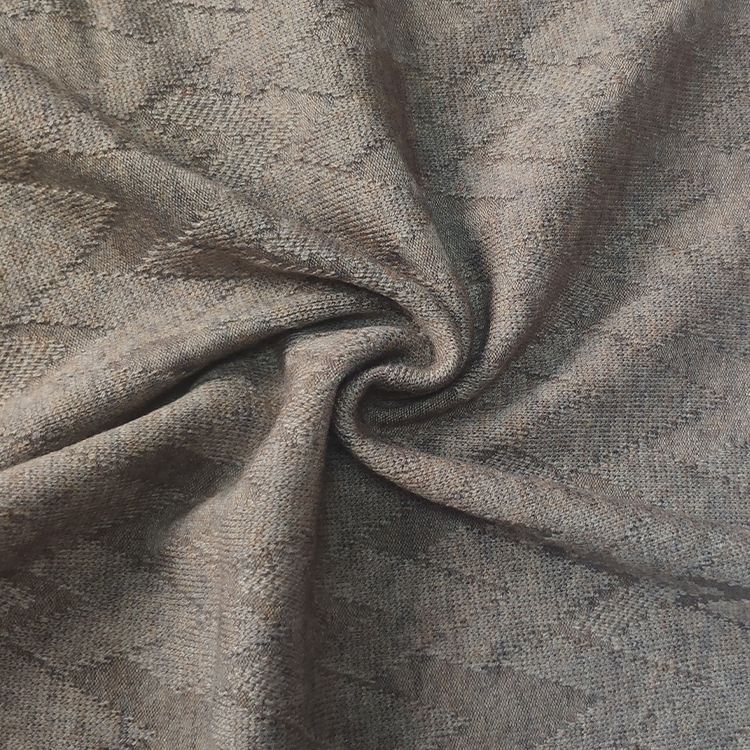
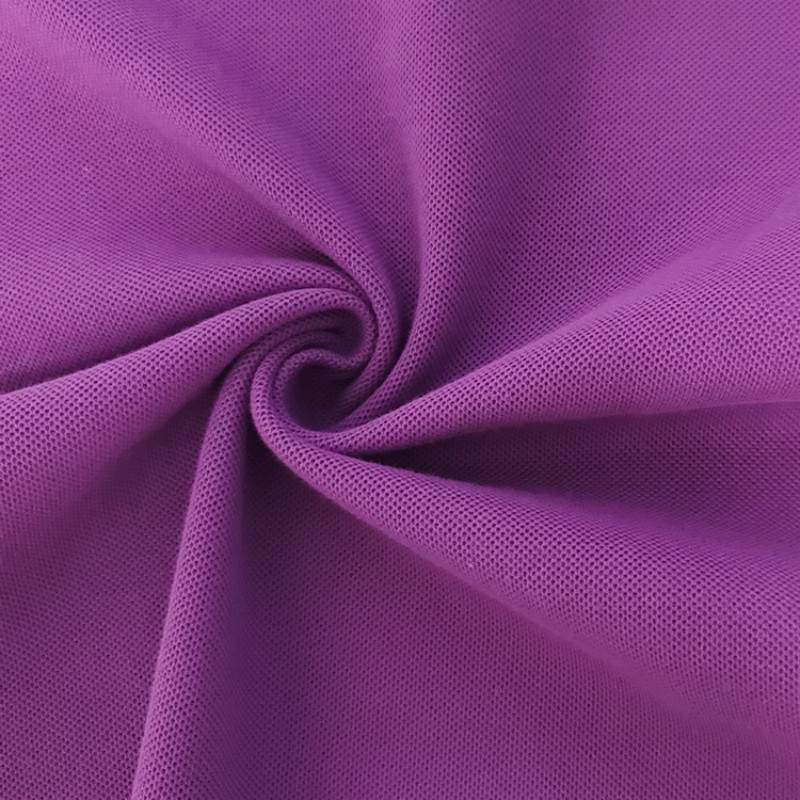
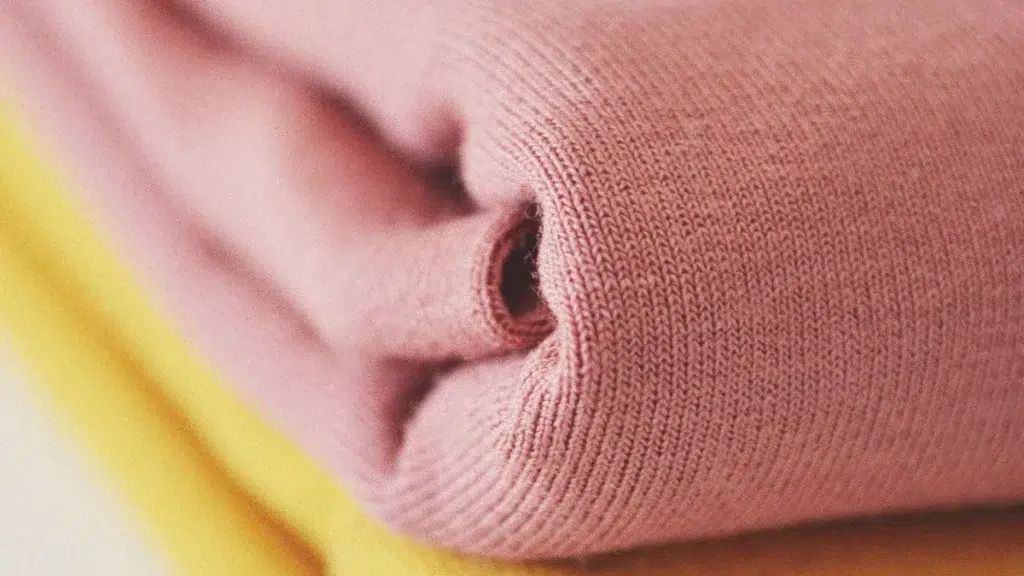
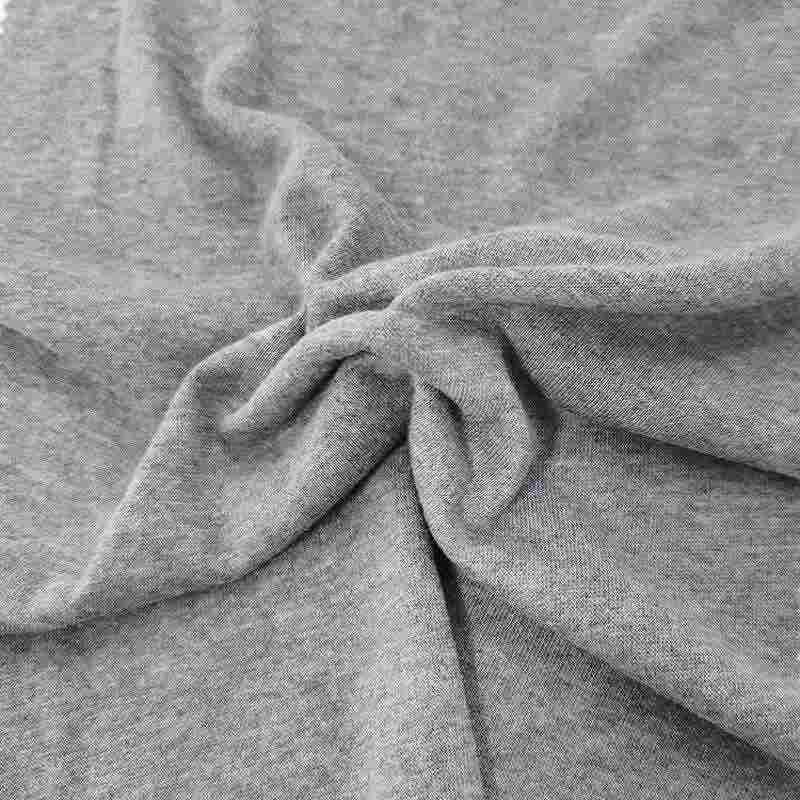
Micro terry fabric is a light, high-performance textile. It mixes the softness of traditional terry with the useful traits of modern synthetic fibers. The surface has a dense field of tiny loops, much like a bath towel. That texture gives the cloth its gentle, cushiony hand feel.
The word “pile” describes the raised surface formed by those loops. A pile is simply the standing yarn that gives a fabric its texture and thickness. The word “microfiber” refers to a synthetic fiber that is much thinner than a human hair. Microfiber fabric uses these ultra-fine strands to pack more surface area into a small space. That density explains much of the softness and absorbency people notice right away.
Many buyers confuse this material with terrycloth at first glance. The two share a similar looped face. The difference is in the fiber. Terry cloth usually uses cotton, while microterry usually uses microfiber polyester. This single change shapes how each fabric dries, stretches, and holds its shape.
How Microterry Is Made
Production starts with microfiber polyester. The fibers generally measure under 10 micrometers across. That fine size lets manufacturers knit them into continuous loops called piles. The knitting process mirrors terry cloth construction. Machines form thousands of individual loops across the surface, and each one stands upright to create the looped pile.
The structure matters. Tight loops create a denser, more absorbent face. Looser loops produce a fluffier, airier feel. Makers adjust loop height and density to tune the final fabric for towels, apparel, or baby goods.
Knitting alone does not finish the job. Dyeing and finishing steps follow. These steps can add performance traits such as anti-pilling, quick-dry, and moisture-wicking behavior. The looped fibers keep their soft hand through these treatments when the process is well controlled.
The result is a fabric that behaves differently from cotton terry. Microterry tends to dry faster and resist shrinking. It also holds color well. These traits come from the synthetic microfiber base, not from any added coating.
Starke Textile produces terry cloth and terry fleece within its knitted fabric range. The company customizes weight, color, pattern, finish, and functional treatments to match each order.
Microfiber Fabric Properties
Softness and Absorbency
The fine fibers give microfiber fabric a soft, cushiony feel. Each loop stands up and traps air. This structure creates the softness people feel on their skin. A microfiber fabric with a thick pile feels softer than a thin one. Buyers often call the feel smooth and velvety.
Absorbency depends on fiber density and pile height. Heavyweight microfiber terry can be made to soak up to eight times its weight in under three seconds. That number makes it stand out from regular terry cloth. The large surface area of microfiber does most of the work. Thin strands pack tightly, and each one pulls water in. A standard terry cloth depends on cotton loops, which hold water well but let it go slowly. A microfiber fabric moves moisture fast and then dries quickly.
The material also pulls moisture away from the body. Sweat passes through the pile and spreads across the surface. Then it evaporates faster. This absorbing behavior makes the fabric useful in towels, bathrobes, and workout gear. Users notice the difference right away. A terry cloth towel feels heavy when wet. A microfiber fabric towel stays lighter and dries between uses.
Softness lasts over time when makers use the right finishes. Anti-pilling treatments keep the surface smooth after many washes. Without them, loose fibers can ball up and make the texture rough. Buyers should check whether a supplier offers these finishes.
Stretch and Durability
Knitted microfiber fabric stretches more than ordinary terrycloth. The looped knit structure lets the cloth flex with movement. Cotton terry cloth stretches less and tends to stiffen after washing. A microfiber fabric keeps its shape and springs back. This trait suits fitted items such as baby bodysuits, hoodies, and leggings.
Durability comes from the synthetic base. Polyester microfiber resists shrinking, wrinkling, and color fading. A terry cloth made of cotton may shrink in a hot dryer. A microfiber fabric usually holds its size. Users can machine wash and tumble dry it with little worry. Easy care makes the material popular for daily-use goods.
Performance finishes expand what the fabric can do. Makers can add quick-dry behavior for towels and activewear. Moisture-wicking treatments help sportswear move sweat to the surface. Anti-static finishes reduce cling in dry conditions. Each finish changes how the microfiber fabric behaves, so buyers should match the treatment to the end use.
Microterry sits alongside terry cloth and terrycloth as a distinct option. Each one has a place. Terry cloth works well for classic bath towels. Terrycloth and terry fleece suit warm loungewear. Microterry fits products that need light weight, fast drying, and stretch. Starke Textile produces terry cloth and terry fleece and customizes weight, color, pattern, finish, and functional treatments for each order.
Terry and Microterry Compared
Microterry vs. Terry Cloth
Fiber content is the clearest way to tell these two fabrics apart. Terry cloth is usually woven cotton, while microterry is a synthetic microfiber polyester. The loop structure stays about the same. Both surfaces have standing loops that give the cloth its texture and thickness.
That shared structure explains why the two materials look alike on the shelf. The fiber change causes the real differences. Cotton fibers soak up water well but let it go slowly. Microfiber strands pack tightly and move moisture fast. A standard terrycloth towel feels heavy when wet. A microfiber fabric towel stays lighter and dries sooner. Terry cloth fabric also tends to shrink in a hot dryer, while microfiber keeps its size.
Neither option wins outright. Terry cloth suits buyers who want a classic cotton feel and natural fiber content. Microterry fits products that need light weight, quick drying, and stretch. Many suppliers carry both, so the choice comes down to the end use.
Microterry vs. French Terry
French terry differs in where the loops sit. It has loops on one side and a smooth face on the other. Microterry usually shows loops across the surface, much like standard terrycloth. This construction detail shapes where each fabric fits best.
French terry works well for sweatshirts, joggers, and loungewear. Its smooth face prints cleanly and drapes softly. Microterry suits towels, baby items, and activewear that need absorbency and a soft pile. Terry cloth remains the familiar pick for bath linens. Each fabric serves a purpose, and none replaces the others.
Starke Textile makes terry cloth and terry fleece as part of its knitted fabric range. The company offers customization in weight, color, pattern, finish, and functional treatments. Buyers comparing terry and microterry robes can ask for samples of each to judge hand feel and absorbency firsthand.
Common Uses of Micro Terry Fabric
Everyday and Baby Products
Micro terry fabric appears in many everyday items. Common examples are bath towels, washcloths, bathrobes, burp cloths, bibs, and baby blankets. Parents like the soft pile against a baby’s skin. The gentle texture of microterry feels smooth and warm. A lightweight microfiber fabric also dries fast between uses, which helps in a busy nursery.
Absorbency drives many of these choices. A microfiber fabric with a dense pile pulls water in quickly. That trait suits towels and bathrobes. Softness matters for baby items, where rough cloth can irritate skin. Stretch helps in fitted goods such as crib sheets and bodysuits. Buyers who source these products at wholesale often ask a factory for custom weight and finish options. A custom microfiber fabric can carry anti-pilling or quick-dry treatments. These finishes keep the material smooth after many washes. The same traits explain why microfiber appears in cleaning cloths and kitchen towels. Each use matches a property: softness for skin contact, absorbency for drying, and stretch for fit.
Activewear and Home Textiles
Activewear uses micro terry fabric because it is light and stretches. Hoodies, joggers, leggings, and training tops all benefit from a looped knit that moves with the body. The pile wicks moisture and spreads sweat across the surface. A microfiber fabric then dries faster than standard terrycloth. Terry cloth fabric feels heavier when wet. Terry cloth stays a classic pick for bath linens and robes. Terrycloth and terry fleece suit warm loungewear. Microterry fits gear that needs fast drying and flex.
Home textiles form another large category. Microfiber fabric appears in throw blankets, pillow covers, and sofa covers. The soft texture adds comfort, and the tight pile resists wrinkling. Terry cloth remains a familiar choice for bath towels. Standard terrycloth offers a classic cotton hand feel. Terry cloth fabric holds water well and feels plush. Terry and microfiber each serve a purpose, and many mills produce both. A wholesale order from a factory can include custom colors, patterns, and finishes across the full terry range. Buyers match the fabric to the job: terry for classic absorbency, microfiber for quick drying and stretch.
Micro terry fabric is a soft, absorbent knit. Very thin synthetic fibers make tiny loops all over its surface, and the knit stretches a little when you move.
This material is a good choice because it is comfortable, dries fast, and is easy to care for. Microfiber fabric works well for towels and baby items, while terry cloth and French terry are still great picks for bath linens and loungewear. Each one fits a different job.
If you are thinking about buying, match the fiber to what you need it for. Pick microfiber fabric for light weight and quick drying. Pick terrycloth for a classic cotton feel. Order samples of terry and compare them side by side before you decide.
FAQ
Does micro terry fabric shrink or pill after washing?
Microfiber polyester resists shrinking and keeps its size through machine washing and tumble drying. Loose fibers can ball up over time if the fabric is not finished properly. Anti-pilling treatments keep the looped surface smooth after many washes. Buyers should check the finish with their supplier before ordering in bulk.
How does micro terry differ from terry cloth in everyday use?
Terry cloth depends on cotton loops that hold water well but release it slowly. Micro terry uses fine synthetic loops that move moisture fast and dry quickly. A terry cloth towel feels heavy when wet. A microfiber towel stays lighter between uses. Each fabric fits different daily needs.
Can micro terry replace terry in activewear?
Micro terry stretches with movement and wicks sweat across its pile. These traits work well for hoodies, joggers, and training tops. Terry cloth stretches less and gets stiff after washing, so it fits bath linens and robes better. Terry fleece and terrycloth remain strong picks for warm loungewear. Micro terry fills the gap for light, fast-drying gear.
What should buyers check before sourcing micro terry?
Buyers should confirm fiber content, pile height, weight, and finish options. Starke Textile customizes weight, color, pattern, finish, and functional treatments across its terry cloth and terry fleece range. Asking for samples of terry and microfiber side by side helps buyers judge hand feel and absorbency before committing to production.
Is micro terry safe for baby items?
The soft pile feels gentle against a baby’s skin, and the fabric dries fast between uses. Parents often choose it for bibs, burp cloths, and blankets. Buyers should ask for OEKO-TEX Standard 100 certification, which Starke holds, to confirm the material meets recognized safety testing.