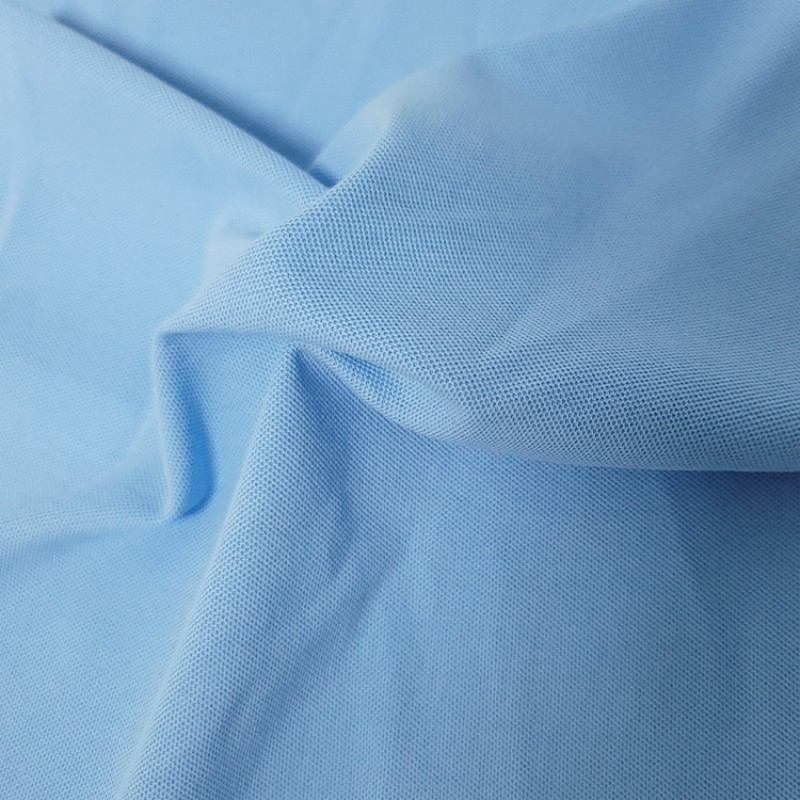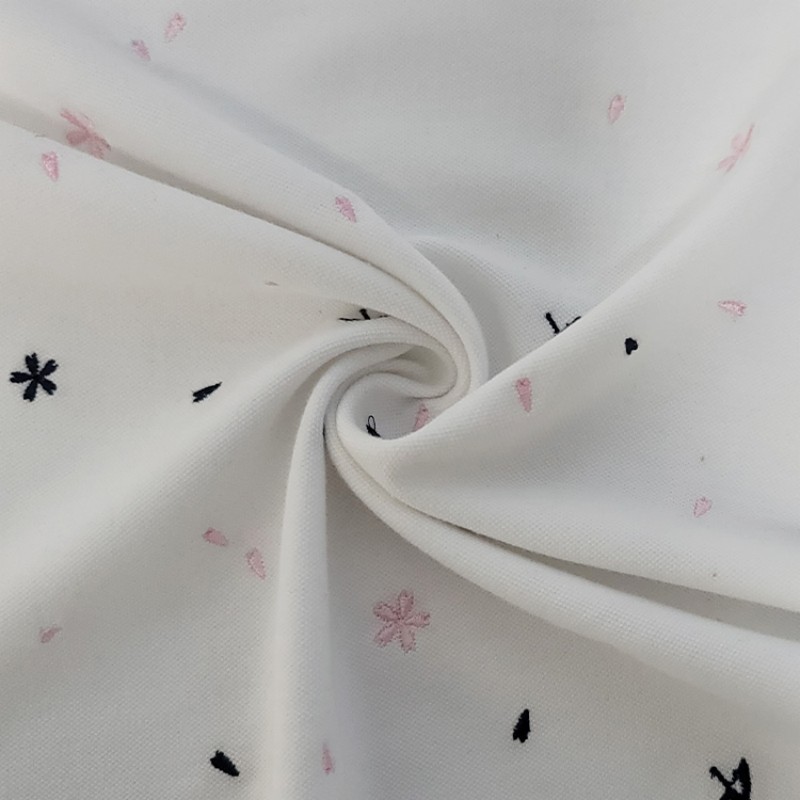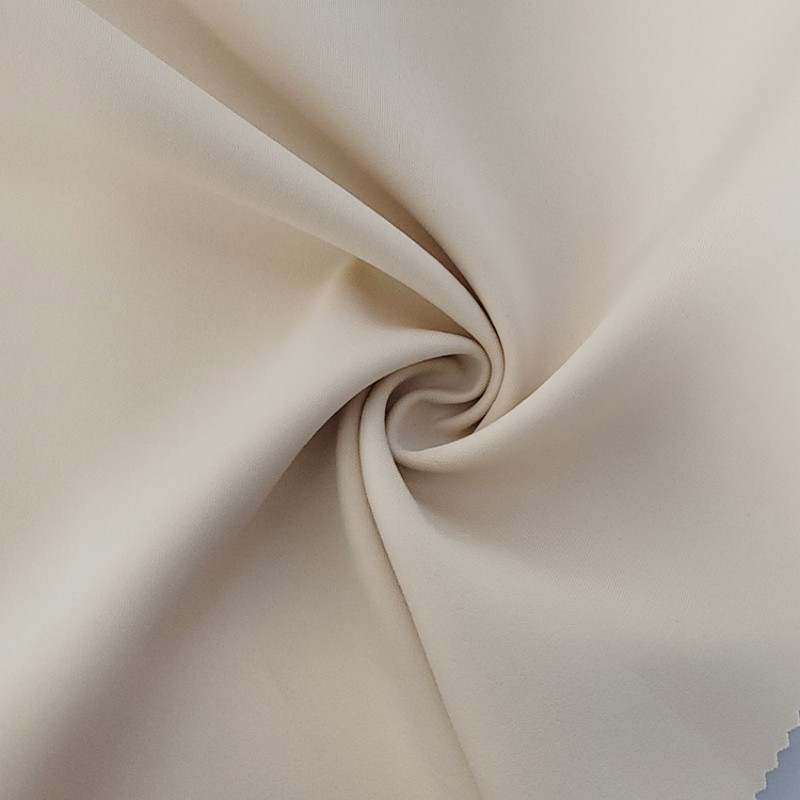
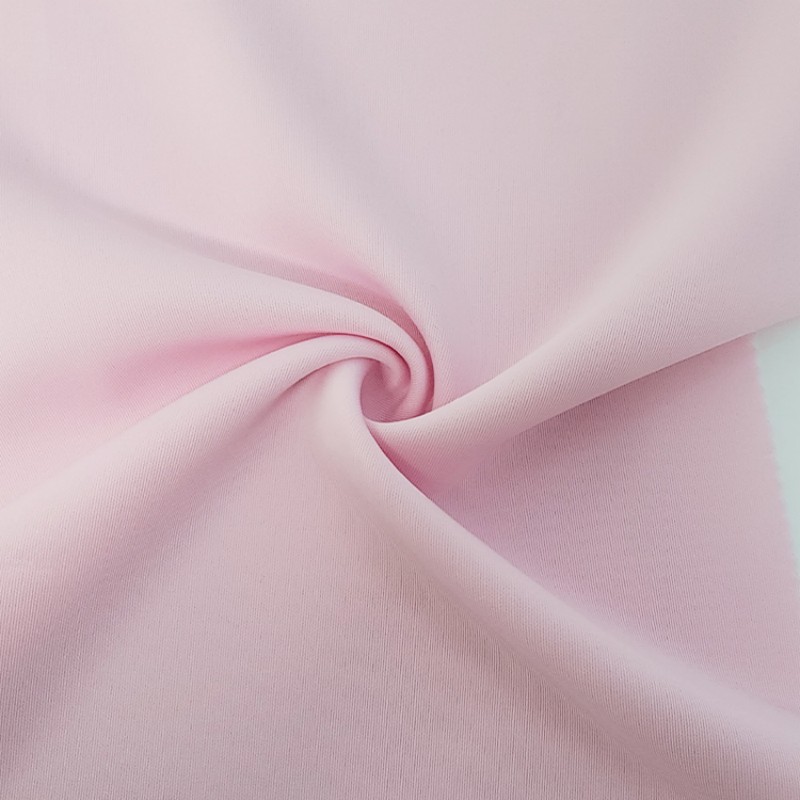
“Scuba” double-knit fabric is a medium-weight synthetic textile made from a blend of polyester and elastic spandex. Despite its name—derived from the sport of scuba diving—this soft fabric does not contain an inner layer of foam rubber. Designers frequently use it to create fashionable garments; the pliable knit offers excellent stretch while maintaining a structured silhouette and resisting wrinkles.
Key Takeaways
- Scuba double-knit fabric mixes polyester and spandex to make a smooth, thick material without any actual rubber foam.
- Designers use this flexible, smooth fabric to create trendy clothes that keep their clean form for a long time.
- Crafters easily sew this non-fraying material and care for it by washing in cold water and air drying.
Understanding Scuba Double-Knit Fabric
.jpg)
Composition and Structure
Scuba fabric—a type of double-knit textile often referred to as “air-layer” fabric—is produced using specialized double-bed knitting machines. These high-tech machines employ two synchronized needle beds: the front bed knits the fabric’s face, while the back bed knits the reverse side. Smooth yarns interlace between the two beds, binding the layers tightly together via connecting loops that span the fabric’s width. This ingenious knitting technique securely joins the two layers while concealing the internal loops, resulting in a fabric that looks identical on both sides. This double-layered structure provides a soft, elastic, and cushioned feel without the need for additional internal padding or filling.
Synthetic fibers give Scuba fabric its exceptional strength and structural support. Production typically involves blending fine polyester fibers with elastic Spandex (or Elastane), with Spandex content generally ranging from 10% to 20%. The durable polyester provides a stable foundation; for instance, a blend of 90% polyester and 10% Spandex is often used for structured garments like hoodies and jackets, ensuring they maintain their shape and a crisp appearance. This robust fiber composition helps garments retain their form over time, ensuring they remain structured and resistant to sagging or distortion after repeated washing or prolonged wear. Specialized manufacturers like Starke Textile produce Scuba fabrics in various specifications for global apparel brands, offering custom products with weights ranging from 150 to 550 gsm. Manufacturers can customize colors using Pantone codes, sample matching, or specialized dyeing processes. Additionally, compliant factories offer eco-friendly fabrics that meet GRS and OEKO-TEX Standard 100 certifications. Designers frequently choose this versatile double-knit fabric to create stylish apparel.
Scuba Fabric vs. Genuine Neoprene
Buyers often confuse fashion-grade “scuba fabric” with genuine diving-grade neoprene because the two appear similar in thickness. However, their internal structures are vastly different: genuine neoprene contains an inner layer of synthetic rubber foam, whereas scuba fabric relies entirely on the interlocking of yarn loops.
| Fabric Type | Core Structure |
|---|---|
| Scuba double-knit fabric | Yarn-based knit textile (typically polyester-spandex blends) |
| Real neoprene | Synthetic rubber foam (polychloroprene) with closed-cell structure |
This main difference changes overall breathability and daily comfort. Real neoprene features a solid rubber foam center with closed cells. This solid rubber layer blocks water completely and stops air flow. Because of this, real neoprene holds in heat and sweat. In contrast, double-knit fabric has tiny yarn spaces that let some air pass through. Although it breathes less than light cotton, scuba fabric still allows mild air flow. Plus, this stretchy material bends easily with natural movement. Fashion designers like scuba fabric because it gives clothes shape without feeling stiff. As a result, people get cozy, stylish outfits.
Key Properties of Scuba Material
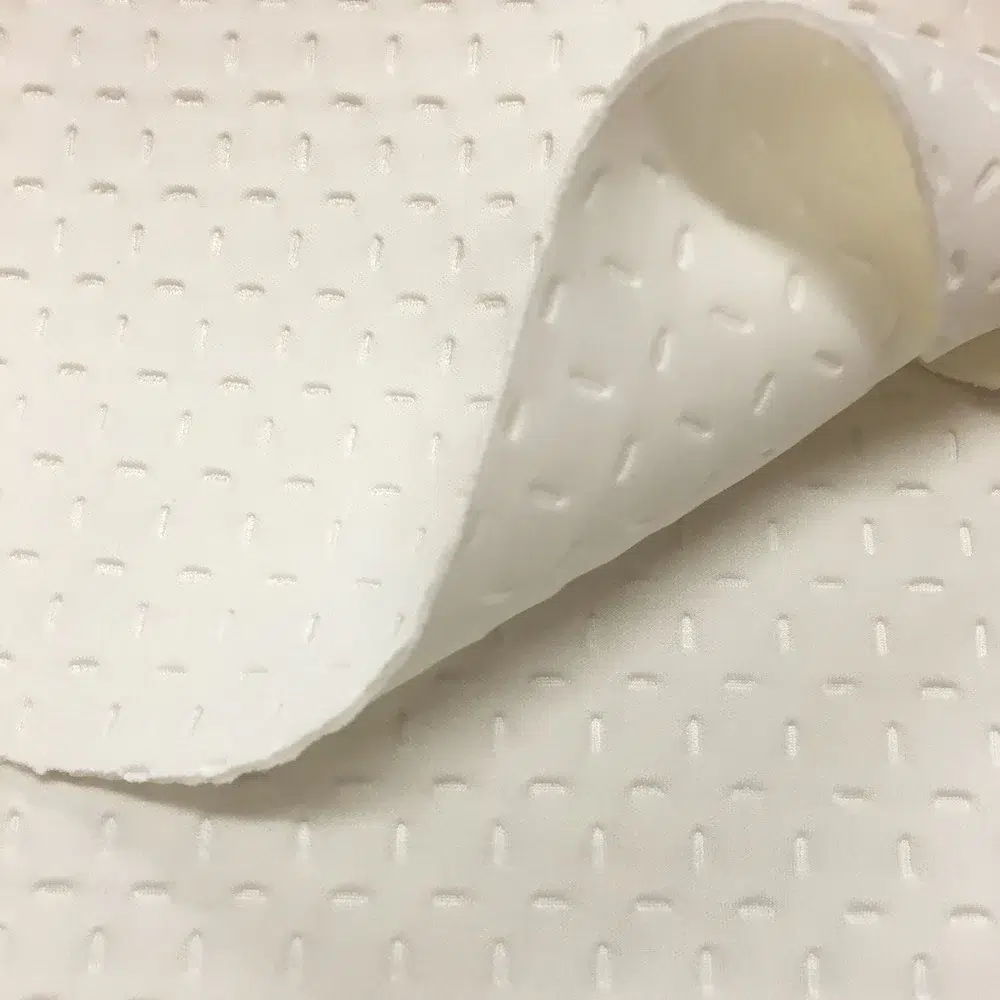
Smooth drape with high elasticity and durability
This substantial fabric feels exceptionally smooth on both sides. Its interlock knit construction gives it a soft surface texture and an ideal weight. This balanced design ensures the fabric retains a smooth, crisp appearance over time, while the durable surface effectively resists pilling caused by daily friction. Factory laboratory tests confirm its robust performance, making it well-suited for the rigors of everyday wear:
- Martindale tests show pilling resistance over 40,000 turns.
- The double-knit design lasts past 50 factory washes before pilling starts.
The tight knit setup gives strong stretch and trusty shape recovery. The table below lists the basic stretch performance stats for standard scuba material:
| Property | Value |
|---|---|
| Stretch Type | Two-way (not four-way) |
| Elasticity (Stretch %) | 20–35% |
| Recovery | Excellent – very stable |
The tight double-knit weave traps a thin air layer inside. This special build offers fair heat keeping by trapping body warmth. Still, low airflow limits air movement through small yarn gaps. Heat buildup and sweat trapping happen in warm weather or during hard movement. So, clothes using this cloth feel cozy in cool weather but warm during hard workouts. Plus, makers cut fresh edges cleanly without dealing with loose threads. This non-fraying edge lets clothing designers craft modern outfits with clean, raw borders.
The Application of Premium Fabrics in Modern Fashion
Apparel manufacturers utilize “scuba cloth” to create garments with distinct silhouettes and clean lines. This fabric features a substantial weight that holds crisp pleats and structural shapes, offering a sleek, fluid aesthetic. It is frequently used for form-fitting dresses, straight-cut skirts, flared tops, and structured jackets. Its dense knit structure effectively prevents unsightly sagging or bagging at the knees and hips, making it a preferred choice for pattern makers designing form-fitting garments that require lasting structural integrity. Tailors also favor this fabric because it maintains a sharp, clean cut without the need for additional lining layers.
Designers also widely employ this versatile fabric in the creation of sportswear, casual hoodies, boxy jackets, and leggings. Polyester-based scuba cloth is ideal for showcasing vibrant prints and custom graphic designs, while softer cotton-blend scuba cloth offers enhanced comfort for lightweight tops. Many brands favor scuba cloth for creating contemporary style staples. Specialized fabric manufacturers, such as Starke Textile, can also apply custom finishing treatments to the base fabric according to client specifications. These value-added finishing options include:
- Sweat-wicking finishes that rapidly pull moisture off your skin
- Anti-static coatings that successfully reduce annoying clothing cling
- Wind-blocking layers that protect active people from cold outdoor air
- Water-shedding finishes that easily stop liquid drops on the outside
In today’s retail stores, clothing brands use flexible fabrics for active daily wear. Designers using scuba in athletic gear get great durability. Outfits made from scuba hold their true shape after continuous use. This clever mix of smooth looks, easy stretch, simple care, and strong shape makes scuba double-knit fabric a top pick for fresh fashion lines.
Scuba Fabric Sewing and Care Guidelines
Garment Construction Techniques
Home sewing enthusiasts can create attractive garments from scuba material using standard equipment. Straight cuts can be made using a sharp rotary cutter or fabric shears. A ballpoint needle helps prevent skipped stitches when sewing through thick layers, while a walking foot ensures that the stretchy fabric feeds smoothly through the machine.
Following proper sewing procedures is crucial when working with scuba material. Use strong polyester thread for seams. During sewing, secure slippery fabric layers with pins or plastic clips to ensure smooth, even stitching. Since the edges of scuba material do not fray, no additional edge finishing is required; the cut edges remain neat and attractive. When dealing with areas like thick necklines, you can trim wide seam allowances to reduce bulk. Additionally, choosing patterns designed for stretch fabrics ensures a comfortable and well-fitting garment.
Washing and Ironing Recommendations
Proper care keeps scuba garments looking new for a long time. These garments can be machine-washed in cold water.
| Property | Value |
|---|---|
| Recommended Washing Temperatures | 30°C (cold wash) |
| Detergent Type | Delicates detergent |
| Drying Method | Air dry or line dry |
Hand-washing in cold water prevents damage to synthetic fabrics caused by vigorous rubbing. If necessary, a color-safe bleach can be used to safely remove stubborn stains without harming the material.
High temperatures during standard washing cycles can damage elastic synthetic fibers. It is recommended to air-dry garments on a rack rather than using high-heat tumble drying. If ironing is required, place a damp cloth over the fabric and use a low-heat setting to avoid scorching the surface. This simple care routine ensures the garment retains its vibrant color and smooth shape over time.
Fashion designers pick scuba double-knit fabric to keep clean clothing shapes and smooth looks. Home crafters enjoy using this low-maintenance scuba material because it never frays and resists wear. Today’s daily athletic gear and high-fashion outfits profit from stretchy scuba cloth. Crafters ought to try flexible scuba fabric in their upcoming custom sewing projects.
FAQ
Does scuba fabric contain actual rubber?
Scuba fabric does not contain a synthetic rubber foam core; instead, it is created by knitting spandex yarns together with polyester fibers. This double-knit structure gives the fabric a comfortable feel and good elasticity, making it ideal for everyday wear.
Is scuba fabric suitable for warm weather?
Because this thick fabric tends to trap body heat, it is typically worn during cooler seasons rather than in the heat of summer.
How should scuba garments be washed?
Scuba garments should be washed in cool water at 30°C. Air-drying is recommended to prevent heat damage to the synthetic fibers.