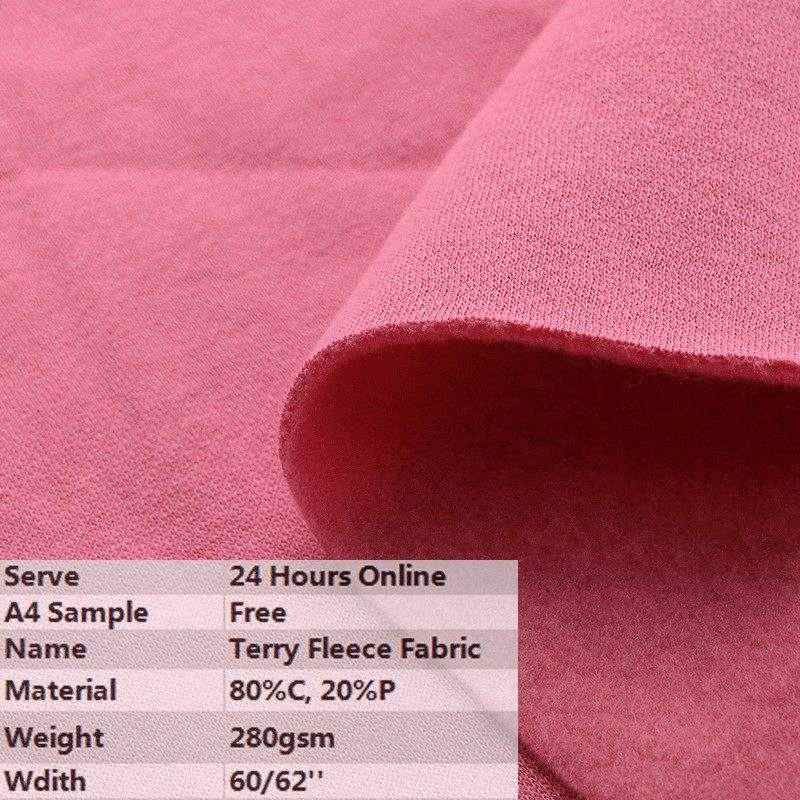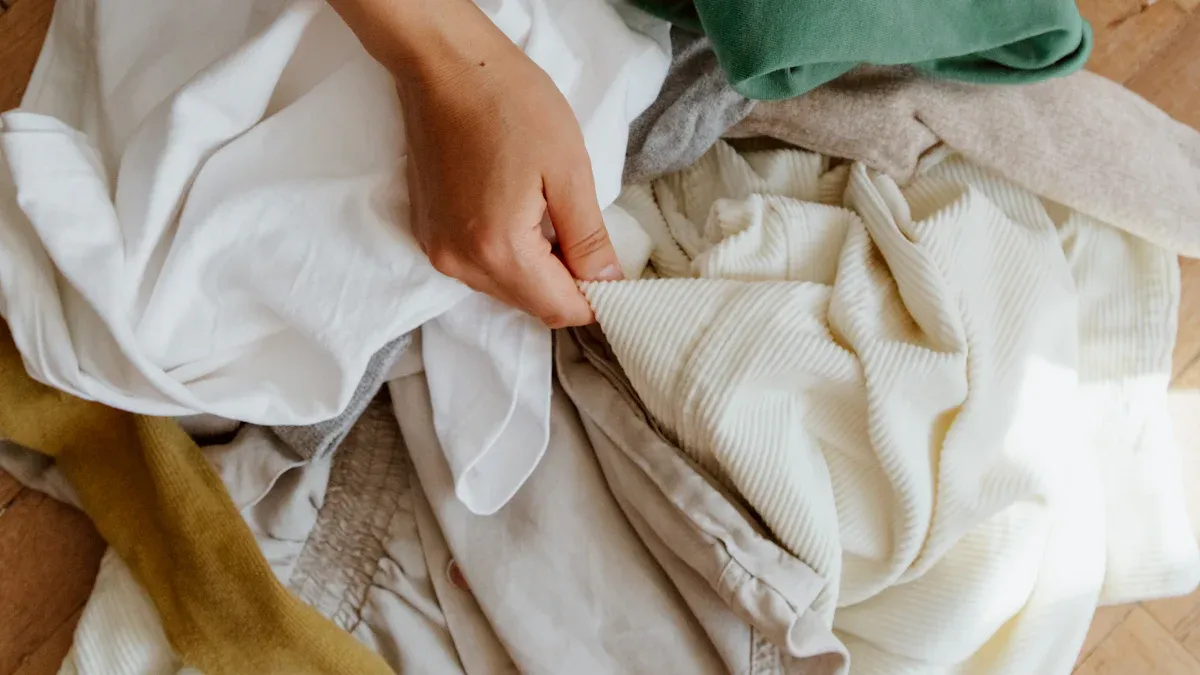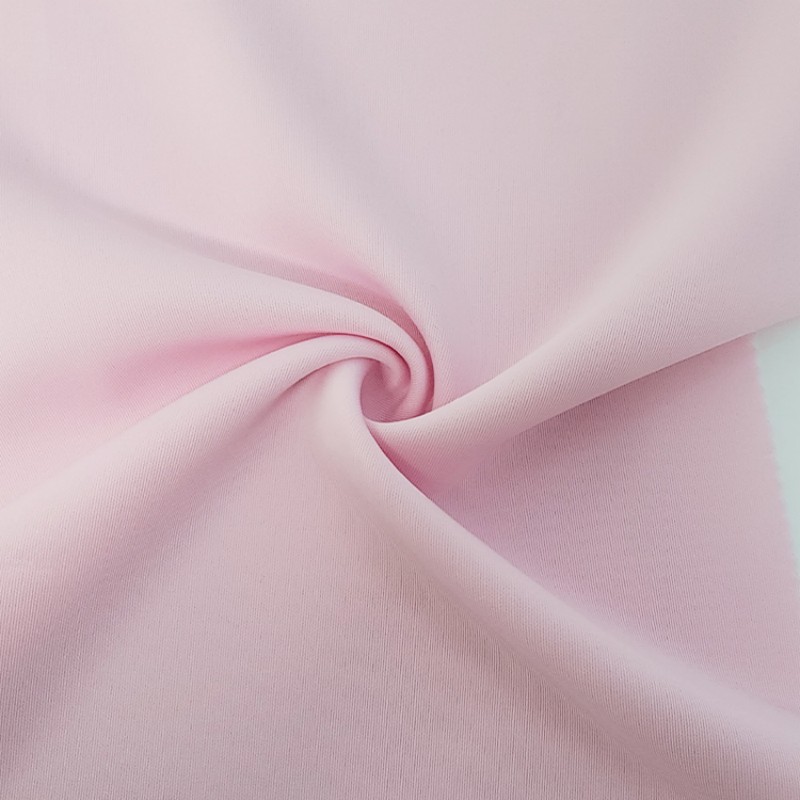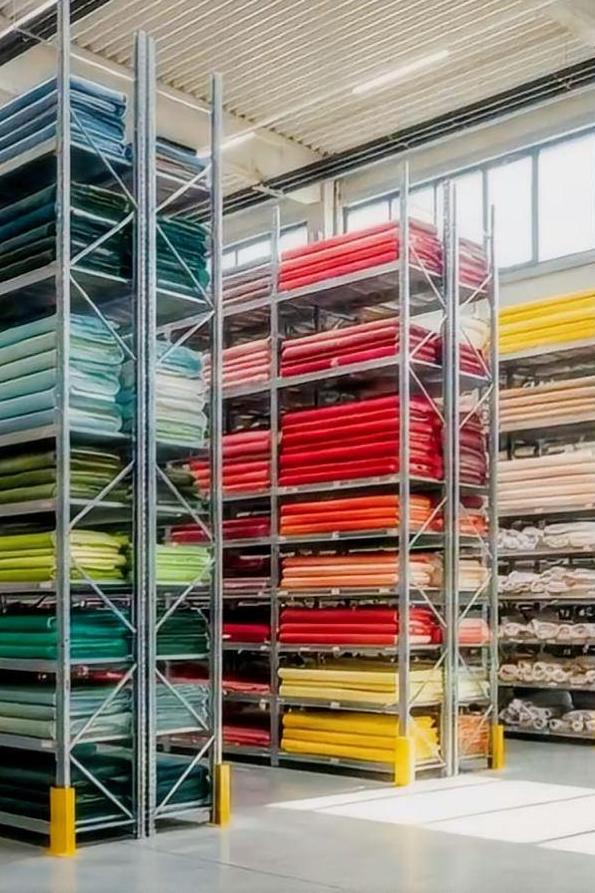
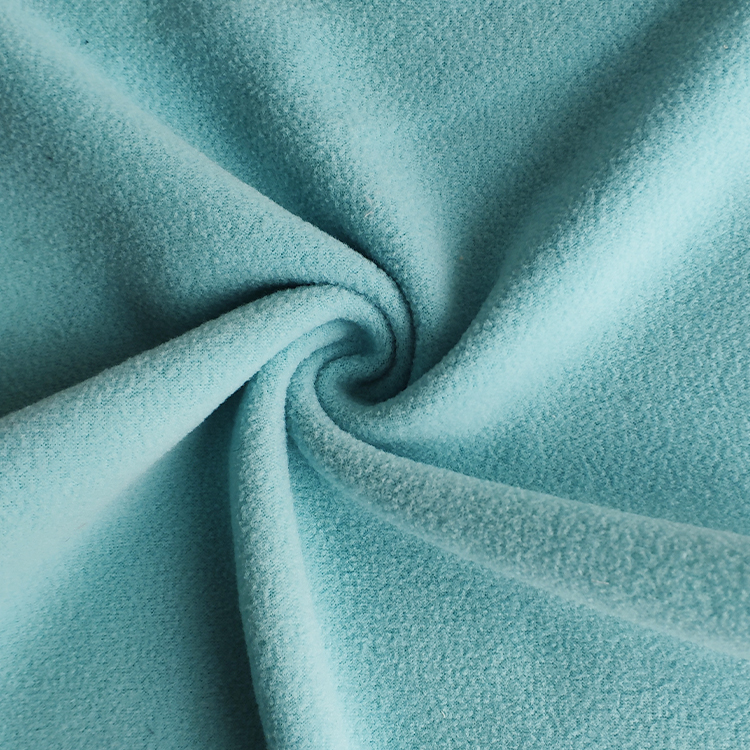
Polar fleece is a man-made fabric made from polyester. Manufacturers knit fine polyester fibers into a light material. They then brush the surface to make a soft, warm pile. This brushing traps air inside the fabric, which gives warmth without adding bulk or weight.
People like this fleece for its comfort and versatility. It shows up in outdoor jackets, cozy blankets, and everyday hats. Many clothing brands and a wholesale supplier like STARKE depend on this material for performance wear. The fabric keeps users warm during cold activities. It also feels gentle against the skin, making it a favorite for casual items.
Key Takeaways
- Polar fleece is a synthetic fabric made from polyester, not a natural material.
- It is soft, warm, and lightweight, making it great for jackets, blankets, and hats.
- Polar fleece breathes well and dries quickly, but it loses warmth when wet.
- You can wash polar fleece in cold water and dry on low heat to keep it soft.
- Polar fleece is a budget-friendly choice for both outdoor gear and home comfort.
What Is Polar Fleece Made Of?
Polyester Composition
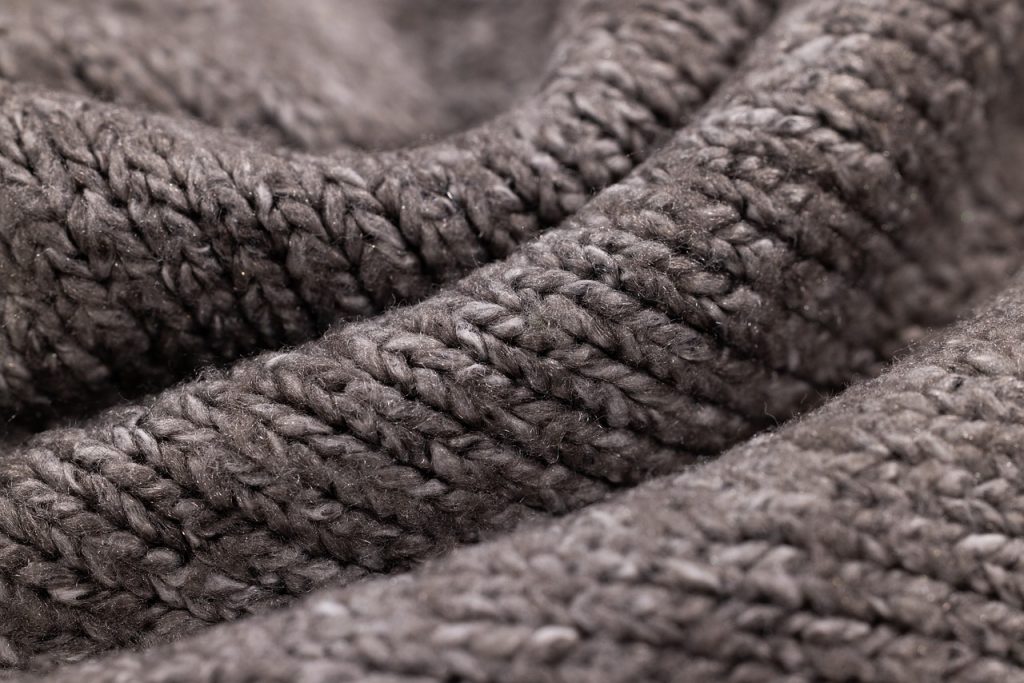
Polar fleece is fully man-made. Companies make it from polyester, a polymer formed by a chemical reaction. This reaction mixes terephthalic acid and ethylene glycol, which both come from petroleum. At high heat, these chemicals join to create polyethylene terephthalate, or PET. The molecules of PET line up in long, crystal-like chains. These chains give the material its strength and steadiness.
This makeup means polar fleece is completely synthetic. It is not a natural animal product. The term what is fleece here means a made-made textile. It comes from plastic, specifically the same group of materials used to make drink bottles. Some makers now use recycled plastics to make polyester fleece. This method lowers the need for new petroleum. But the base material is still synthetic polyester.
What Is Fleece Made Of: Knitting and Brushing
To understand what is fleece made of, you need to look at two main steps. First, a company knits fine polyester fibers into a base fabric. Second, the factory brushes the surface to make a soft pile. This brushing raises the fibers and creates a fuzzy feel.
Polar fleece production starts with polyester yarn, which is knitted into a base fabric and then brushed on one or both sides to raise the fiber pile. The brushing process sets the pile height and hand feel. Anti-pill finishing is added to cut down surface rubbing during use. Dyeing and finishing are done to order, with choices for solid colors, heather effects, and print-ready surfaces.
The knitting stage uses circular machines. Rows of needles catch the thread and pull it down. Each loop links to the next, making a continuous fabric. After knitting, the material goes through washing, drying, and dyeing. A brushing process then uses steel brushes to break the polyester fibers and pull them out. This action makes a thick layer of fluff. The fluff traps air pockets, which give insulation without adding weight. A supplier like STARKE can add anti-pilling finishes to boost durability. These finishes cut down surface rubbing during normal use.
The brushing step is key. It decides how soft the final product feels. It also controls how much warmth the fabric holds. A thicker pile surface traps more air and gives greater insulation. After brushing, the fabric is combed and sheared for a uniform length. A high-temperature process then tumbles the material. This step makes the fluff bend and twist into small balls. These balls lock in extra air and boost warmth. So, how is fleece made these days? The answer involves precise knitting, careful brushing, and finishing treatments that improve performance.
Key Properties of Polar Fleece Fabric
Soft, Warm, and Lightweight
Polar fleece feels soft because of its brushed pile surface. The brushing process lifts tiny fibers into a fuzzy layer. This layer traps air and keeps body heat near your skin. The result is a fabric that keeps you warm without much weight. A jacket made from this material feels light on your shoulders. But it still holds warmth on a cold morning.
The warmth-to-weight ratio tells an interesting story. This ratio divides a fabric’s heat resistance by its physical weight. Higher numbers mean better insulation for each ounce. Polar fleece averages 0.09 clo/oz/yd² across most weights except micro. Its R-value falls between 0.34 and 0.78. These numbers come from standard textile testing. They show that fleece gives moderate insulation for its weight.
| Fabric Type | Warmth-to-Weight (clo/oz/yd²) | Thermal Resistance (R-value) |
|---|---|---|
| Polar Fleece (average, all weights except micro) | 0.09 | 0.34–0.78 |
| Fleece jackets (individual examples) | 0.03 | N/A |
| Non-woven/batt insulations (average) | 0.42 | 0.86–3.03 |
| Active insulation jackets (average) | 0.07 | N/A |
Fleece warmth/weight performance cannot compete with batt-type insulations or even Polartec Alpha. Fleece provides relatively little warmth compared to batt insulations, and while Alpha performs similarly in thermal resistance, Alpha insulations can be less than half the weight of fleece.
Breathable and Moisture-Resistant
A key advantage of synthetic fleece properties is breathability. The fabric lets moisture vapor escape while blocking light rain or snow. Air moves through the knit structure. This airflow helps stop you from getting too hot during physical activities. A hiker wearing a fleece mid-layer stays comfortable on a steep climb. The material releases sweat vapor before it turns into liquid.
Fleece is also quick-drying and moisture-wicking. It pulls sweat away from the skin and helps the wearer stay dry. Even after contact with rain or snow, the fabric dries fast. This makes it useful for outdoor gear. The material is lightweight, soft, and warm. It comes in different weights, including 100-weight, 200-weight, and 300-weight varieties. A manufacturer like STARKE can customize these weights for specific end uses. The fabric stays warm and breathable across all these options. For anyone keeping warm in cold conditions, fleece offers a reliable balance of comfort and function.
Common Uses of Polar Fleece
Outdoor Gear and Activewear
People wear this material for hiking, skiing, and everyday cold-weather trips. Jackets, pullovers, and vests form the core of a layering system. Hats and gloves use the same soft pile to protect the head and hands. Many global brands build performance pieces from branded versions of this textile.
| Brand | Product | Polartec Fleece Fabric |
|---|---|---|
| Haglöfs | L.I.M. Delta Tees | Delta™ |
| Peak Performance | Freelight Alpha Hood | Alpha™ |
| Passenger | Sierrascape | Fleece Series |
| 66°North | Women’s Snæfell Pant | Power Shield™ Pro |
| ThruDark | Wraith Bomber Jacket | Alpha™ |
| Reusch | Garhwal Hybrid Touch-Tec | Power Dry™ |
| Patagonia | Women’s Re-Tool Snap-T® Pullover | Thermal Pro™ |
| Patagonia | Men’s/Women’s R1® Pullover | Power Grid™ |
| Norrøna | Falketind Alpha120 Zip Hood | Alpha™ |
| Norrøna | Women’s/Men’s Falketind Warm1 Jacket | Power Stretch™ |
A wholesale supplier like STARKE serves casual, outdoor, and professional sportswear lines. The company offers custom weights, colors, and finishes for each program. Buyers who ask what is fleece used for in activewear often find this answer: warmth and comfort without heavy bulk.
Home Comfort and Accessories
The same fabric moves indoors with ease. Common household items include:
- Plush socks
- Comfy bath robes
- Fluffy blankets
- Loungewear
- Pajamas
These products share one trait. The fleece is soft against the skin and holds heat well. A blanket made from this material keeps a sofa warm on a winter night. Socks and robes bring the same cozy feel to a morning routine. Pet beds also use the pile surface for added softness.
Manufacturers cut and sew these items from the same rolls used in outerwear. A factory can dye the fabric in custom colors to match a home decor line. This flexibility explains why the material appears in so many rooms and closets. Few textiles cross the line between trail and living room so smoothly.
What Is Fleece Compared to Other Fabrics?
Polar Fleece vs. Wool
Wool comes from animals. Polar fleece is made in a factory. That one difference changes how each fabric works. Wool is a natural fiber. Polyester fleece is a synthetic material made from petroleum-based polymers or recycled plastics.
Both fabrics hold heat well when it is dry and calm. They act differently when moisture shows up. Wool keeps you warm even when it gets wet. Polar fleece loses warmth once it gets soaked. Wool also fights rain a bit because of natural lanolin. Fleece soaks up water fast. But fleece dries much faster than wool. A maker like STARKE can add quick-dry finishes to make this even better.
| Aspect | Polar Fleece | Wool |
|---|---|---|
| Warmth when wet | Loses insulation | Keeps insulating |
| Water resistance | Low | Somewhat repellent |
| Drying speed | Fast | Slow |
| Wind protection | Weaker | Better |
| Moisture wicking | Very effective | Effective |
A user said they stood outside in cold, windy rain while wearing wool glove-mittens. When they got home, the gloves were soaking wet, but their hands were still warm. This backs up the idea that wool can keep you warm even when wet, unlike fleece, which loses insulation when soaked.
Cost also sets them apart. Fleece usually costs less than wool. Top types like Merino wool cost even more. A wholesale supplier can sell fleece at factory prices, which makes it the budget-friendly choice for big orders.
Polar Fleece vs. Cotton
Cotton comes from plants. It breathes well and feels soft on the skin. But cotton holds water and dries slowly. A wet cotton shirt pulls heat away from your body. That makes it a bad choice for cold, wet weather.
Synthetic fleece properties work in a different way. The fabric pulls sweat away and dries fast. It also weighs less than cotton for the same warmth. Cotton wins on breathability in hot weather. Fleece wins on insulation in cold weather.
Care matters too. Cotton wrinkles and shrinks. Fleece keeps its shape and resists wrinkles. It also costs less than many natural fabrics. So when someone asks what is fleece in this context, the answer is clear: a synthetic polyester textile, not an animal product. That difference drives every performance point above.
Polar fleece is a man-made fabric made from polyester. Companies knit tiny fibers and brush the top to make it soft and warm. This material has several main benefits. It stays light, lets air flow, keeps out moisture, and works for many purposes. A wholesale supplier can change it for different markets.
People pick this fleece for hiking trips and cozy nights at home. It works in jackets, blankets, and hats. It stays a popular choice because it balances comfort, function, and value. Few fabrics can serve both the trail and the living room. That versatility keeps demand strong year after year.
FAQ
Is polar fleece waterproof?
No. This fabric resists light rain and snow. It does not block heavy rain. The knit structure lets moisture vapor escape. A soaked fleece loses insulation. It dries fast, though. That quick-dry trait makes this fabric useful as a mid-layer.
Does polar fleece pill over time?
Yes, surface rubbing can cause pilling. A manufacturer can add an anti-pilling finish. This treatment cuts down fuzz balls during normal use. The fabric stays smooth for longer. A wholesale supplier can custom order this finish.
Can polar fleece be recycled?
Yes. Some makers use recycled plastic bottles to make the polyester. This method lowers the need for new petroleum. The base material stays synthetic. A factory can produce this fabric with recycled content. Buyers should ask their supplier for details.
Is polar fleece safe for sensitive skin?
It feels soft against the skin. The brushed pile surface does not itch like wool. People with wool allergies often wear this fabric with comfort. It is synthetic, so it does not carry natural lanolin. That makes this fabric a gentle choice for many wearers.
How should someone wash polar fleece?
Machine wash cold on a gentle cycle. Tumble dry on low heat. Avoid liquid softener and bleach. These products can clog the pile and cut warmth. A custom manufacturer can provide care labels for each order. Proper care keeps the fabric soft and warm.