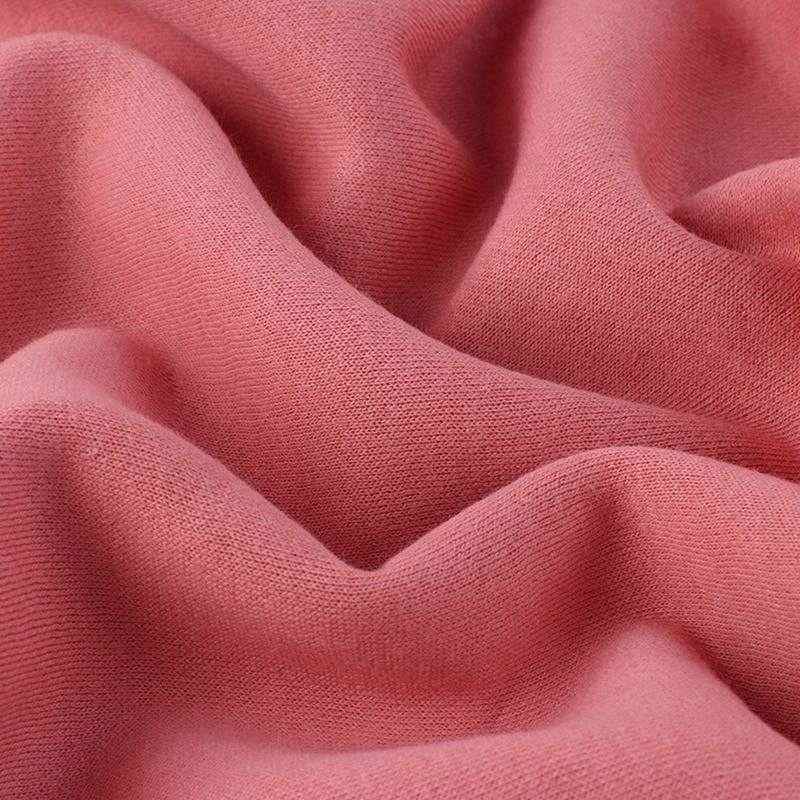
Fleece is warmer than terry because its brushed inside traps heat. Terry is a looped cotton or cotton-blend fabric with a smooth face and a looped back; fleece is a synthetic knit with a soft, brushed back. Warmth ratings show the gap: French terry runs 240–350 gsm (low to medium warmth), while brushed fleece runs 280–450 gsm (medium to high). Starke’s brushed fleece delivers that high warmth with a stable hand feel and full custom development support. Terry still earns its place—it breathes well and handles moisture—so the right pick comes down to the user’s needs.
Key Takeaways
- Fleece is 20–30% warmer than terry at the same weight because its brushed surface traps air.
- Terry is more breathable and better for exercise, while fleece is best for cold weather.
- Choose fleece for winter gear and cozy loungewear; choose terry for athletic wear and mild days.
- Care for fleece with cold water and low heat to keep its warmth; terry is more durable and easier to maintain.
Fleece vs. Terry: Warmth Compared
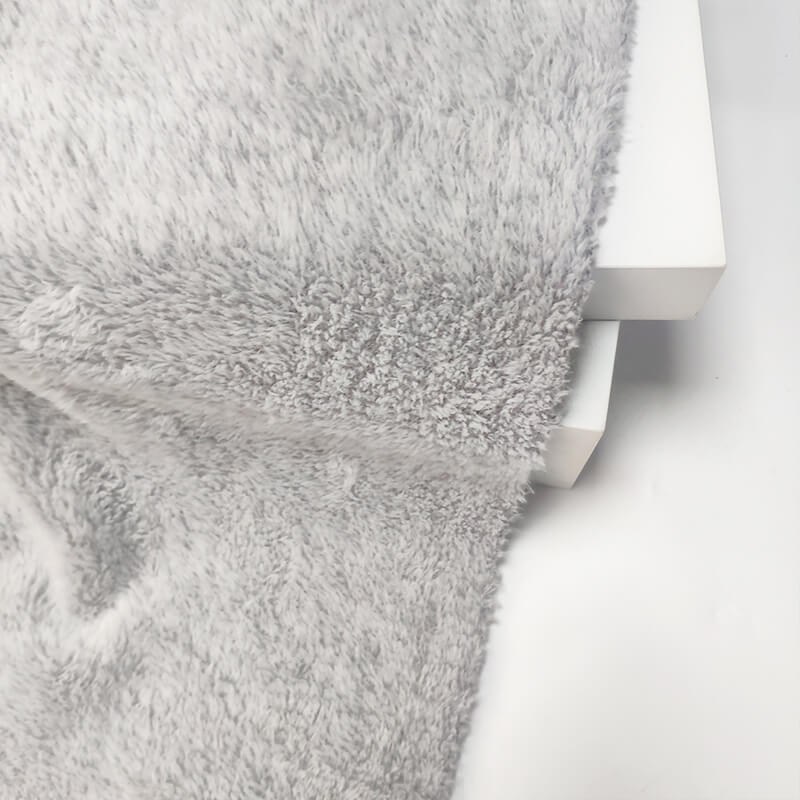
Fleece wins the warmth contest by a lot. When both fabrics weigh the same, fleece is warmer than French terry. That gap comes from how the fabric is built, not just how thick it is. If you compare fleece vs. terry for winter gear, you will feel the difference as soon as you put both on.
Why Fleece Traps Heat Better
The brushed inside of fleece fabric does most of the work. Makers knit a base fabric, then pull wire brushes across one or both sides. Those brushes break the knit loops and pull tiny fibers up into a fuzzy pile. That pile holds millions of small air pockets against your skin. Still air does not carry heat well, so those pockets work like a shield. Your body heat stays close, and cold air outside stays out.
The table below shows how the brushed surface gives these benefits.
| Property | How the napped interior contributes |
|---|---|
| Thermal insulation | Raised pile traps warm air against the body |
| Soft comfort | Plush nap gives a cozy, premium hand-feel |
| Lightweight warmth | Retains heat with less mass than wool |
| Quick drying | Hydrophobic fibers shed moisture and dry rapidly |
Brushed fleece also blocks airflow in a way that flat knits cannot. The thick wall of fuzz stops wind and slows heat loss. A wholesale supplier often suggests brushed fleece for high-GSM winter clothes because the loft holds up after heat-setting.
How Terry’s Loops Limit Insulation
Terry works in a different way. French terry fabric keeps its loops whole on the inside. Those raised loops sit away from your body and leave gaps between them. Air moves through those gaps easily. The result is medium warmth and good breathability.
The looped, uncut terry loops trap some air, but the open structure lets that air get out. Heat escapes the same way. That is why terry feels cooler than fleece in cold weather. Hold both fabrics up to a light, and tiny dots show through the terry loops while the fleece nap blocks everything. A 20-minute brisk walk proves the point: a fleece hoodie can make you too hot within 10 minutes, while terry lets extra body heat escape.
The difference between french terry and fleece in warmth and insulation comes down to one thing. Fleece tears its loops into a dead-air barrier. Terry keeps its loops whole, so air and heat keep moving.
French Terry vs. Fleece: Key Differences
The difference between french terry and fleece starts with how each fabric is made. Both start as knit fabric, but the finishing process changes everything. A manufacturer takes French terry fabric and brushes one side to create fleece. This one step changes the fabric’s structure, warmth, and feel.
Difference Between French Terry and Fleece in Insulation
French terry usually has a smoother outer face and looped inner side. Brushed fleece is usually finished to create a softer, warmer inside surface.
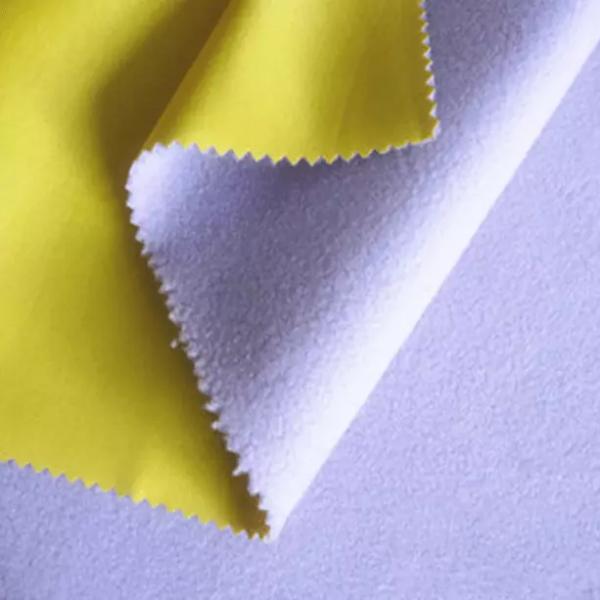
The insulation difference comes from the back side of each fabric. In fleece fabric, the yarn loops on the back side are shredded and cut during manufacturing. This cutting process creates the soft, fuzzy texture linked to fleece. In contrast, French terry’s loops stay intact, keeping a smoother, looped inner surface.
The change of French terry into fleece is a mechanical process. Terry fabric, which has loops on one or both sides, is passed through wire brushes or emery rollers. This brushing action breaks the loops and pulls out the fibers, creating a soft, fluffy, pile-like surface. Optionally, the surface is sheared to make the pile even. Finally, chemical and heat treatments (softening, heat setting, sueding) are applied to improve softness, stability, and warmth. The final result is a fleece pile that is warmer, softer, and has a velvety texture compared to raw terry.
Instead of leaving the inside loops as they are, the surface is brushed to create that familiar soft, fuzzy feel. The brushed texture helps trap more air close to the body, which is why fleece usually feels warmer than French terry of a similar weight.
| Decision factor | French terry | Brushed fleece |
|---|---|---|
| Reverse surface | Visible uncut loops | Raised, soft pile |
| Typical thermal feel | Moderate warmth and more open hand | Warmer, loftier interior |
| Visual structure | Loopback texture inside | Plush brushed texture inside |
| Seasonal use | Layering and transitional ranges | Cold-weather or comfort-focused ranges |
Note: These are tendencies, not guarantees. A dense heavyweight French terry can feel warmer than a lightweight fleece, and finishing can change both fabrics substantially.
Fleece generally beats French terry for warmth because its brushed inner layer traps more heat; the nap creates tiny air pockets that boost thermal retention. French terry offers enough warmth for brisk mornings or cool evenings but is less insulating than fleece, making it better for layering or milder weather. Fleece is best for winter and high warmth. French terry provides moderate warmth and works well for layering. French terry typically falls between 220–300 gsm (light to medium weight), while fleece starts around 280 gsm and goes up to 360 gsm (medium to heavy). Higher gsm usually means more insulation and durability.
Difference Between Fleece and Terry in Breathability
The difference between fleece and terry in breathability is equally clear. French terry’s uncut terry loops create air circulation and allow air to flow through the fabric. This makes it breathable and moisture-managing, preventing overheating during activity. Fleece, with its brushed fibers creating air pockets that trap warmth, can be too warm for physical activity.
| Fabric | Back Construction | Breathability Mechanism | Suitability for Active Wear |
|---|---|---|---|
| French terry | Looped pile on reverse side | Loops create air circulation and allow air to flow through the fabric | Breathable and moisture-managing; prevents overheating during activity |
| Fleece | Brushed, fuzzy surface | Brushed fibers create air pockets that trap warmth | Can be too warm for physical activity |
Fleece typically features a synthetic polyester construction with a fuzzy, brushed surface designed for maximum thermal insulation. In contrast, French terry offers a more refined approach with its smooth exterior and interior knit loops, providing moderate warmth without the bulky feel. While fleece excels in outdoor and high-performance scenarios, French terry shines in versatile, everyday comfort applications. French terry’s construction allows for better breathability and temperature regulation, and its lightweight nature and ability to adapt to body temperature make it a superior option for loungewear and casual clothing.
| Feature | French Terry | Fleece |
|---|---|---|
| Surface Feel | Smooth outside, soft interior loops | Fuzzy, brushed finish |
| Typical Composition | Cotton or blends | Mostly synthetic polyester |
| Main Use | Loungewear, activewear | Outdoor, cold-weather apparel |
| Warmth vs. Weight | Moderate warmth, lightweight | High warmth, bulkier |
| Breathability | Better breathability and temperature regulation due to knit loops | Traps heat with brushed air pockets, less breathable |
For active wear, French terry’s looped knit lets air move through, offering high breathability and effective moisture-wicking. A supplier or manufacturer producing athletic lines often recommends French terry for workout gear because it keeps the wearer dry. Fleece, on the other hand, suits cold-weather outdoor apparel where retaining warmth matters more than airflow. The french terry vs fleece decision ultimately depends on whether the user prioritizes breathability or insulation.
Weight and Warmth: A Key Difference
Weight has a big effect on how fabrics work. The difference between french terry and fleece stands out when you compare grams per square meter (GSM). French terry fabric usually falls between 220 and 300 GSM, based on what it is made for. Brushed fleece often weighs around 280 to 360 GSM for medium-weight types, but some styles are heavier. These numbers show one key fact: fleece gives more warmth per gram than terry.
Fleece’s Lightweight Yet Cozy Design
Fleece gets its warmth without bulk by using a smart manufacturing method. A factory runs the knit fabric through brushes or rollers that lift surface fibers. This brushing builds a plush texture with thousands of tiny air pockets between the fibers. Those pockets hold body heat near the skin, while the breathable knit base still lets moisture escape. The result is a high warmth-to-weight ratio that makes fleece feel cozy without slowing the wearer down.
The raised pile structure is useful engineering, not just softness. It adds fabric volume without adding much mass. A three-thread fleece structure uses a face yarn, a binding yarn, and a loop yarn tucked into the binding yarn at different spots. This build gives fleece its thickness and insulating power. For a wholesale buyer, this means choosing brushed fleece at 280–360 GSM gives strong warmth and insulation for cold-weather garments without the heaviness of traditional wool.
Terry’s Dense, Absorbent Structure
Terry handles weight in a different way. French terry fabric keeps its loops whole on the inside surface, making a denser, more absorbent material. The looped structure gives terry its familiar softness while adding weight through the uncut loops themselves. A manufacturer making french terry fabric at 300 GSM creates a solid hand-feel that drapes well and feels strong.
However, density does not always mean better warmth. Terry’s loops let air move around, which keeps the fabric breathable but limits how well it insulates. The moisture-wicking properties of terry pull sweat away from the skin to the surface so it can evaporate. This makes terry great for athletic wear and transitional seasons. When you compare fleece and french terry at similar weights, fleece always feels warmer because its brushed surface traps still air, while terry’s open loops let heat escape. For buyers who want the most warmth, fleece is still the better choice. For breathability and moisture management during activity, terry wins.
French Terry or Fleece: Which Suits Your Needs?
The right fabric depends on the activity and the climate. A buyer who needs winter warmth will reach for brushed fleece. Someone who wants breathable comfort during a workout will pick French terry fabric. Understanding when to choose fleece vs. terry helps shoppers and brands make better decisions.
Fleece for Cold-Weather and Outdoor Activities
Brushed fleece shines in cold conditions. The plush surface traps body heat and blocks wind, making it ideal for winter collections, outdoor apparel, and premium loungewear. A wholesale supplier often recommends fleece for jackets, blankets, and winter liners because it delivers high warmth and insulation in cold weather.
Choose Fleece for cold temperatures, or when strenuous activity is not required.
Winter sports like skiing and hiking benefit from fleece’s superior warmth and moisture-wicking properties. Polar fleece retains heat even when wet, which makes it a reliable choice for wet, cold conditions. A manufacturer producing custom cold-weather gear will find fleece the warmer option for these demanding environments.
Terry for Athletic and Everyday Wear
French terry fabric excels in active settings. Its looped interior allows air to circulate freely, which keeps the wearer cool during movement. The fabric absorbs sweat effectively, helping athletes stay dry during workouts or hot days. This breathability and moisture management make terry a preferred choice over fleece for athletic and everyday wear.
A french terry vs fleece hoodie comparison shows the difference clearly. The terry version works well for joggers, hoodies, and loungewear across spring and summer. Fleece and French terry serve different seasons: terry for transitional weather and everyday streetwear, fleece for cooler seasons and cozy casual wear. For post-workout wear or mild-weather layering, terry offers the comfort and airflow that fleece cannot match.
Durability and Care: Keeping Warmth Strong
Good care helps both fabrics work their best. Fleece and french terry each need their own kind of attention to keep their special qualities. What a maker says about care matters just as much as which fabric you pick.
Caring for Fleece to Keep Its Warmth
Brushed fleece loses its warmth when heat or strong soaps harm the raised fibers. The soft nap traps air, and that trapped air is what makes it warm. Once the fibers flatten or pill up, those air pockets fall apart.
A few easy steps keep the brushed surface in good shape:
- Turn the item inside out before washing to guard the fuzzy inside.
- Wash on a gentle cycle with cold water and a mild soap.
- Skip bleach and fabric softener, since they coat the fibers and cut down moisture control.
- Dry on low heat or lay flat to air dry; high heat ruins the brushed fibers.
- Take items out of the dryer right away to stop deep wrinkles.
Better fleece resists pilling more than cheap kinds. Even so, anti-pill fleece still does better with careful washing. A wholesale supplier often says to pre-wash fleece pieces before sewing to allow for size change. Storing fleece folded instead of hung stops stretching, mainly for heavier weights.
Caring for Terry to Keep It Comfortable
French terry fabric takes repeated washing better than fleece. The looped structure holds up through many cycles, and the fabric keeps its feel. Terry does not turn fuzzy after many washes, which shows it lasts longer.
Simple habits keep terry soft and able to soak up moisture:
- Wash new terry items before first use to boost absorbency.
- Use cold water and a gentle cycle with mild soap.
- Stay away from fabric softeners, which coat the loops and lower absorbency.
- Dry on low heat and take items out right away.
- Shake items before and after drying to fluff up the loops.
Terry resists wrinkles on its own, so a home wash with tumble drying works fine. The fabric gets better over time, staying comfortable through years of use. For activewear that gets washed often, terry is the more practical pick.
Both fabrics pay you back with a longer life when you care for them well. Fleece needs gentler handling to keep its warmth, while terry puts up with more wear. Buyers picking between fleece and french terry should weigh care needs along with how each one performs.
Fleece wins on warmth. Its brushed surface traps air and delivers more insulation than French terry at the same weight. Terry still shines for breathability and moisture management. A buyer who needs maximum warmth for winter outdoor gear should pick brushed fleece. A buyer who wants a versatile fabric for athletic wear or everyday movement should pick french terry fabric. Both fabrics serve clear purposes. The right choice depends on the primary use case. Choose fleece for cold-weather gear and cozy loungewear. Choose terry when breathability and comfort during activity matter most.
FAQ
Is fleece always warmer than terry?
Brushed fleece usually gives more warmth than French terry when both weigh the same. The brushed surface traps still air close to your body. But a heavy French terry can feel warmer than a light fleece. A maker checks GSM and finish before saying how warm a fabric is.
Which fabric breathes better during exercise?
Terry breathes better. Its uncut loops let air move around freely and pull sweat off your skin. Brushed fleece traps heat and blocks airflow, so you may get too hot during hard activity. Athletes often pick terry for workouts and after the gym.
Can someone wear fleece for sports?
Fleece works for light outdoor activities in cold weather. Skiing, hiking, and winter walks are good choices. Hard sports may make you overheat because the fabric holds heat in. A supplier often suggests terry for athletic lines instead.
How do washing habits affect warmth over time?
Good care keeps insulation strong. Fleece needs cold water and gentle cycles to protect its brushed surface. Terry holds up better through many washes. Both fabrics stay warm when users skip high heat and fabric softeners.