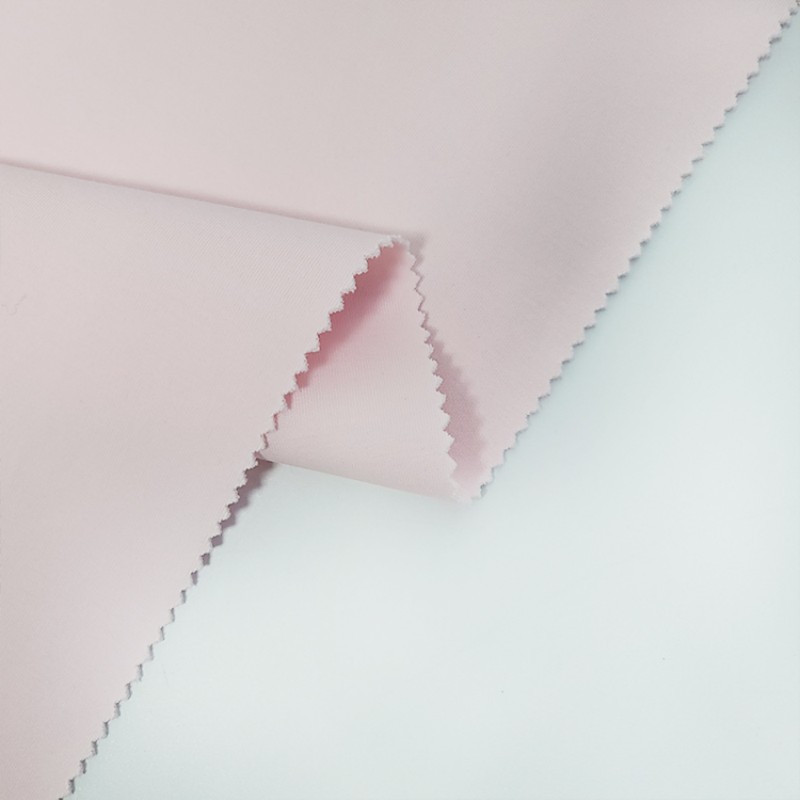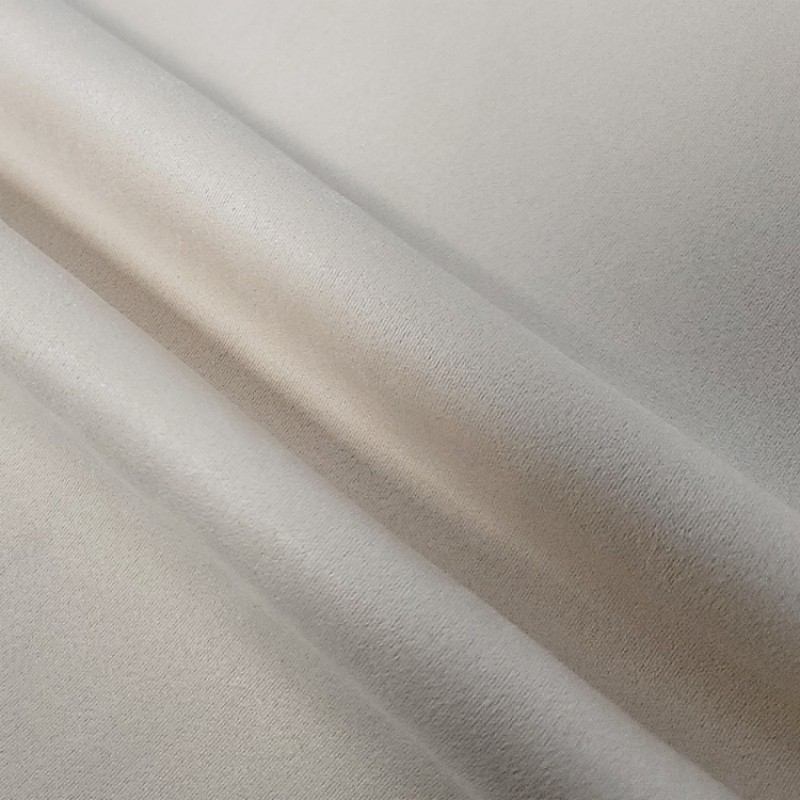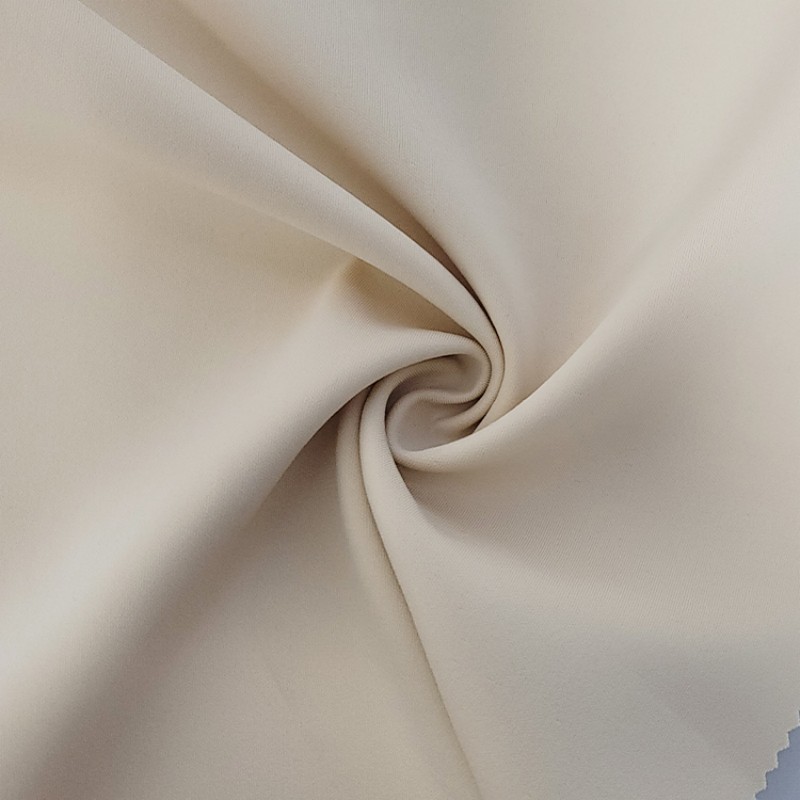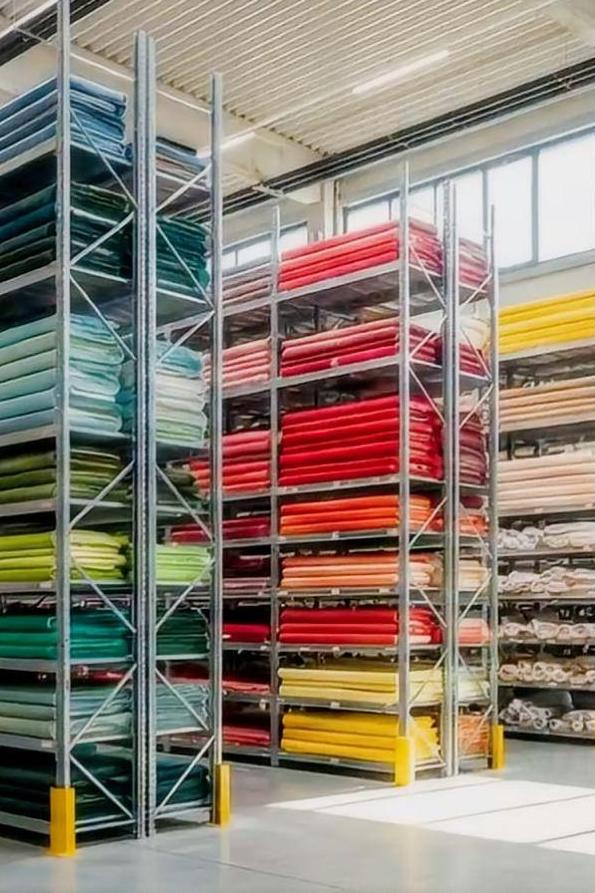
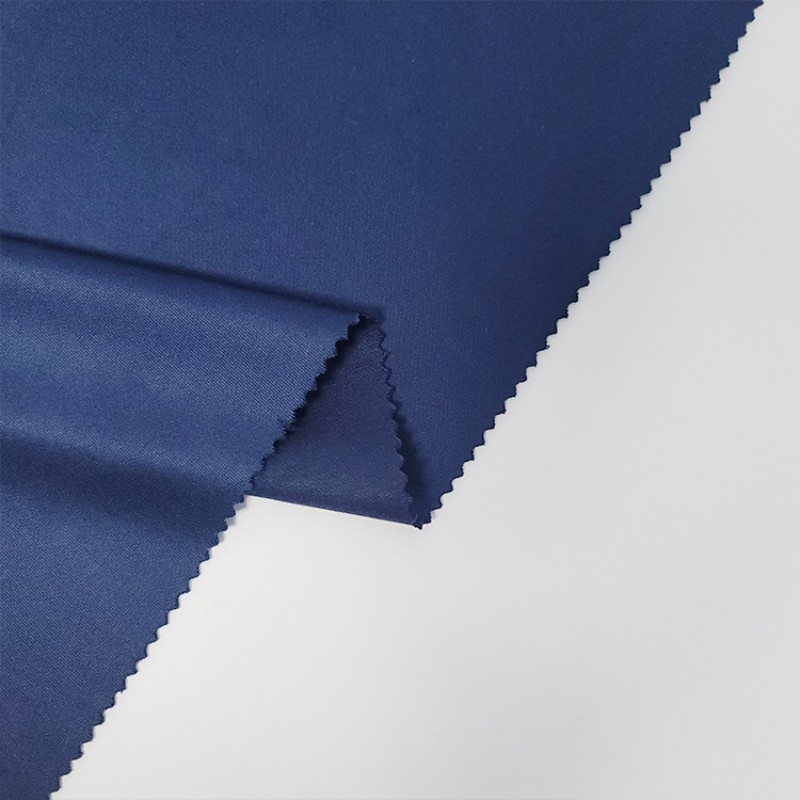
Neoprene and polyester serve different jobs. Neoprene wins for insulation and flexibility in cold, wet conditions, while polyester wins for durability, breathability, and versatility. Buyers weighing the two should judge each option on three factors: insulation, comfort, and environmental impact.A wetsuit demands warmth and a watertight seal, while a lightweight activewear line demands airflow and quick drying, so the same fabric rarely serves both jobs well.
Starke’s knitted fabrics take this further, with fleece, jersey, scuba, and bonded polyester fabrics in one range, backed by OEKO-TEX Standard 100 and GRS certified production.This guide breaks down insulation, comfort, and environmental impact, so the right material for a given application becomes clear.
Key Takeaways
- The job decides which material is better: neoprene for staying warm and dry in cold, wet conditions; polyester for breathability and versatility.
- Neoprene keeps you warm and dry in cold, wet weather because it holds in heat and keeps water out.
- Polyester dries quickly and lets air through well, so it works great for activewear and items that need airflow.
- Neoprene lasts a long time, but it is hard to recycle. Polyester is easier to recycle, but it may wear out faster in harsh conditions.
- Ask three easy questions about water, sweat, and packing to quickly choose the right material for your product.
Neoprene Fabric: An Overview
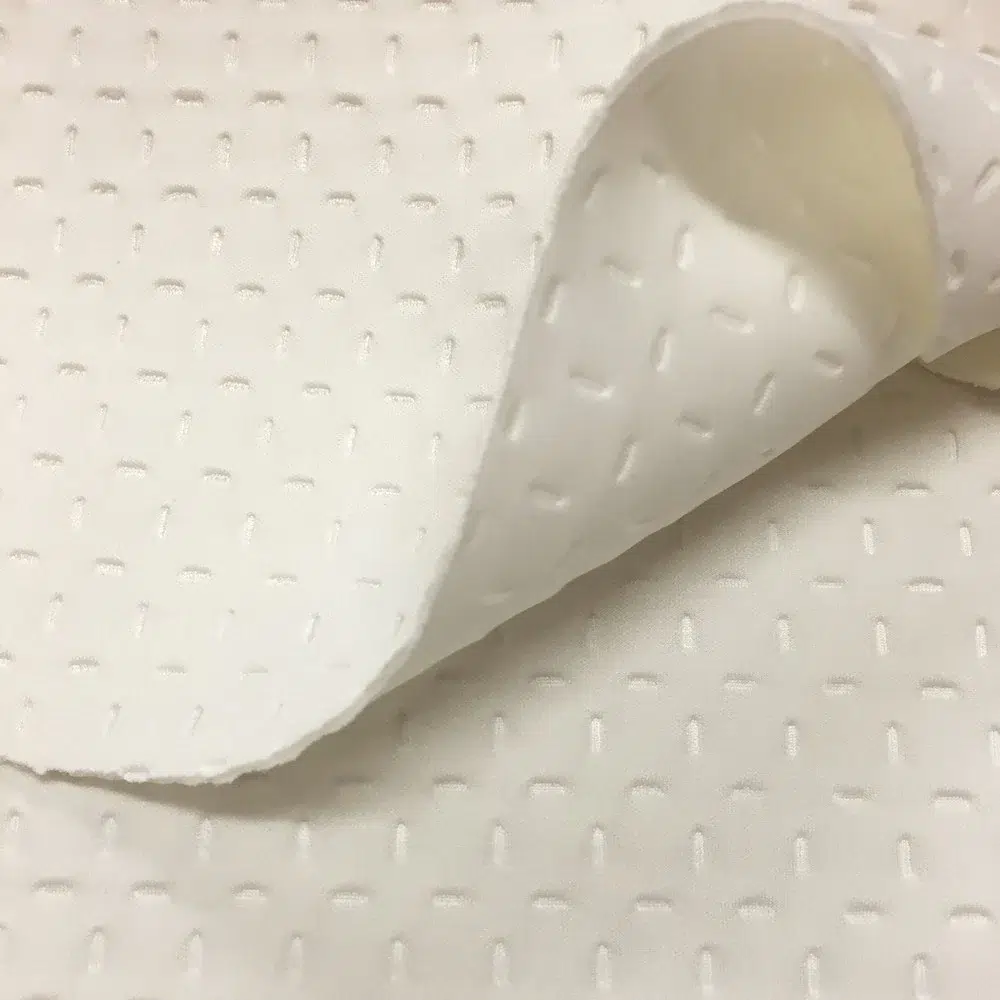
Neoprene is a man-made rubber foam. It is not just one material. A soft, bendy sheet works well for a laptop sleeve. A firm, thick sheet works well for an industrial pad. Makers adjust the foam to fit the job.
Key Properties
Thickness controls how neoprene fabric performs. Thin sheets bend easily for clothing. Thick sheets soak up shock and keep their shape. The foam structure traps tiny gas cells. These cells slow heat transfer, so thermal insulation comes built in. Is neoprene waterproof? Yes. The closed-cell structure blocks liquid water, and that water resistance holds up in rain, spray, and full immersion.
Durability makes neoprene material stand out. It resists breakdown better than natural or made rubber. Sun, salt, and repeated flexing break down many rubbers. Neoprene foam keeps its structure through all three. Buyers often weigh neoprene fabric advantages and disadvantages before ordering. The main advantages are insulation, flexibility, and water resistance. The main trade-offs are weight and limited breathability.
Common Applications
Cold, wet places suit neoprene best. Wetsuits depend on the foam for warmth and a tight seal. Gloves, booties, and fishing gear use the same idea. Outside the water, the neoprene material shows up in laptop sleeves, camera cases, and knee supports. A custom supplier can die-cut or laminate sheets for branded packaging and protective gear.
Industrial buyers use dense neoprene foam as gaskets, seals, and vibration pads. Factories also ask for it for sound dampening. Each use picks a different density and thickness. A wholesale manufacturer can match the grade to the end use. That flexibility explains why neoprene fabric remains a standard choice across sportswear, electronics protection, and heavy industry.
Polyester Fabric: An Overview
Polyester is a man-made fiber. Mills spin it from polymer strands into yarn, then knit or weave that yarn into cloth. The fiber has several useful strengths. It resists UV light and many chemicals. It dries quickly. It does not hold onto water the way cotton does. A shirt made from polyester fabric sheds moisture and dries again in a short time. That trait makes the fiber a common pick for outdoor gear and sportswear.
Key Properties
The fiber’s structure explains how it acts. Polyester strands pack tightly and soak up very little moisture. Water sits on the surface and evaporates fast. Sun exposure fades many fibers over time. Polyester holds its color well under UV light. Chemical resistance adds another layer of value. Oils, mild acids, and cleaning agents leave the fiber mostly unchanged. These traits support long wear life and dependable durability across repeated wash and use cycles.
Starke, a knitted fabric manufacturer, offers custom polyester in jersey, pique, interlock, fleece, scuba, and bonded constructions. A wholesale supplier can add finishes such as moisture-wicking, quick-dry, and anti-pilling. These treatments tune the fabric for activewear, casual wear, and professional sportswear. The factory holds OEKO-TEX Standard 100 and GRS certifications. Both serve as quality and sustainability signals for brands that source at volume.
Common Applications
Polyester suits many product categories. Apparel brands use it for training tops, team kits, and outerwear. Bag makers choose it for lightweight shopping bags and foldable carriers. Promotional suppliers rely on it for high-volume printed goods. The fiber also appears in home textiles and industrial fabrics. A custom order can adjust weight, color, pattern, and finish to match a specific product line.
Neoprene or Polyester: Insulation Compared
Insulation is the biggest difference between these two materials. A buyer who needs warmth in wet, cold places will find one clear winner. A buyer who needs light protection that dries fast will get a different answer.
Cold and Wet Performance
The table below shows how each material handles cold, wet conditions.
| Property | Neoprene | Polyester |
|---|---|---|
| Insulation | Excellent; trapped gas cells slow heat loss | Moderate; thin knits give little warmth alone |
| Waterproofing | Watertight closed-cell structure | Water-resistant at best; soaks up little water |
| Warmth retention when wet | High; keeps warming even when soaked | Low; dries fast but gives little warmth while damp |
Neoprene is great for cold climates. The foam traps gas cells that slow heat transfer, so body heat stays close to the skin. Is neoprene waterproof? Yes, and that matters in cold, wet conditions. The difference between waterproof vs water-resistant neoprene comes down to how it is built. A sealed, coated sheet blocks water fully. An uncoated sheet sheds some spray but lets water creep in over time. Buyers should check the grade with their supplier before ordering.
Polyester works in cold climates too, but it insulates less. The fiber soaks up very little water, so a garment dries quickly after rain or sweat. That fast drying helps with thermal insulation and comfort levels in changing weather. A mid-layer knit adds warmth without bulk. The fiber alone will not keep a wearer warm in freezing rain the way neoprene foam does.
Best Insulation Use Cases
Cold-water sports top the list for neoprene. Wetsuits, dive hoods, booties, and fishing gloves all count on the foam for warmth and a tight seal. Winter work gloves and knee sleeves use the same idea. Protective sleeves for tablets and cameras gain from the padding and water resistance. Industrial buyers also ask for the neoprene material for cold-storage packaging and equipment covers. Each use picks a density and thickness that fits the exposure.
Polyester fits a different set of cold-weather jobs. Fleece jackets, base layers, and training tops use knit structures to trap warmth near the body. The fabric shines in mixed conditions. A runner caught in a drizzle stays comfortable because the cloth sheds moisture and dries fast. Lightweight shopping bags and foldable carriers also need no insulation at all. They need durability and quick drying, and polyester delivers both.
A simple rule helps here. Choose neoprene when the wearer will meet standing water or full immersion in the cold. Choose polyester when the wearer will meet sweat, rain, and repeated washing. The neoprene vs polyester insulation question rarely has one answer for every product line. A wholesale supplier can sample both options so a brand tests real performance before committing.
Neoprene Fabric vs Polyester Fabric: Comfort Compared
Flexibility and Breathability
Comfort begins with airflow, and here the two materials are very different. Neoprene foam traps gas cells inside a closed structure. Air cannot get through, so the sheet does not breathe at all. That same structure makes the neoprene material watertight. A wearer stays dry in spray or rain, but sweat has nowhere to go during hard activity. Short bursts of wear feel fine. Long, active sessions feel damp and sticky.
Polyester knit structures act in the opposite way. Jersey, fleece, and interlock knits leave small gaps between yarns. Air moves through those gaps and carries heat away from the skin. A jersey training top or a fleece mid-layer breathes well through a full workout. The trade-off is clear. Breathable knits are not watertight, so a heavy downpour will soak through. Buyers comparing neoprene fabric vs polyester fabric for comfort should match the fabric to the activity level, not just the weather.
A middle option exists. Polyester-laminated neoprene bonds a knit face to a foam core. The foam still blocks water, and the knit face adds a soft touch against the skin. This build balances cost, performance, color retention, and UV resistance. Brands that want a printable, colorful outer surface often choose it for sleeves, bags, and sports guards. A custom supplier can adjust the lamination for the target product.
Best Comfort Use Cases
Neoprene suits short, intense exposure to cold and wet conditions. A diver values the watertight seal more than airflow. The same logic fits knee sleeves, camera cases, and winter work gloves. These products need padding and water resistance, and breathability matters little. Is neoprene waterproof? Yes, and that trait defines its comfort profile in wet settings.
Polyester fits products worn against the skin for hours. Activewear, base layers, and team kits need airflow and quick drying. Lightweight shopping bags and foldable carriers need no breathability at all, yet the fiber still keeps them light and durable. A wholesale supplier can sample both directions, so a brand tests real comfort before it commits to a full run.
Neoprene vs Polyester Comparison: Environmental Impact
Production and Lifespan
Production is only part of the story. How long a material lasts in service also shapes its total footprint. This neoprene vs polyester comparison looks at both sides of that ledger.
Neoprene starts as a synthetic rubber foam. The neoprene material resists breakdown from sun, salt, and repeated flexing. That durability makes it last longer in tough settings. A wetsuit or industrial gasket often serves for years before it needs replacing. A longer lifespan spreads the production footprint across more uses. Buyers asking “is neoprene eco-friendly” should weigh that service life against the energy and chemistry behind the foam. The honest answer is that the material carries a real production cost, and its longevity offsets part of it.
Polyester production follows a different path. Mills spin the fiber from polymer strands, then knit or weave the yarn. The fiber’s durability under UV light and chemical exposure supports long wear life across repeated wash cycles. Recycled polyester options now give brands a way to divert plastic waste into new fabric. Certification programs such as GRS verify recycled content through the supply chain. A wholesale supplier can confirm certification status before a brand commits to volume.
Recycling and End-of-Life
End-of-life handling differs between the two materials. Neoprene foam bonds its components tightly. Separating the foam from a laminated knit face takes effort, and few mainstream streams accept the material. Some manufacturers regrind production scrap into lower-grade padding. Post-consumer recycling remains limited, so most neoprene ends up in general waste.
Polyester has a more established path. Mechanical and chemical recycling can turn the fiber back into new yarn. GRS-certified supply chains track recycled content from source to finished fabric. Brands that plan for circularity often favor polyester for this reason. The question “is neoprene eco-friendly” has no simple yes or no. Neoprene or polyester each carries trade-offs at end-of-life. Neoprene offers longevity but limited recycling. Polyester offers recyclability but a shorter service life in harsh conditions. A factory that understands both paths can help a brand choose with full information.
Neoprene vs Polyester: Which Fits Your Needs?
The final choice depends on what the material has to do. A few quick questions settle most cases. Will the product face standing water or deep cold? Does the wearer move hard and sweat? Will the item sit on a shelf or against the skin? The answers point to one material with little doubt.
When to Choose Neoprene
When should buyers pick neoprene? The answer starts with water and cold. A wetsuit needs a watertight seal and trapped warmth, and neoprene foam gives both. Dive hoods, booties, and fishing gloves follow the same logic. Cold-weather gear like winter work gloves and knee sleeves also counts on the foam for padding and heat retention. The advantages of neoprene for bags show up in laptop sleeves and camera cases, where shock absorption and water resistance matter more than airflow. A wholesale supplier can cut and laminate sheets to fit these products without changing the core material.
The neoprene fabric advantages and disadvantages deserve a fair look before ordering. Insulation, flexibility, and water resistance sit on one side. Weight and zero breathability sit on the other. A buyer who needs a watertight barrier in cold conditions accepts that trade without hesitation. A buyer who needs all-day airflow should look elsewhere.
When to Choose Polyester
When is polyester more practical? The fiber wins wherever weight, drying speed, and volume matter. Lightweight shopping bags and foldable carriers need a cloth that sheds rain and packs small. High-volume promotional products need consistent color and low cost at scale, and a custom factory can print thousands of units on jersey or pique knit. Activewear demands breathability and quick drying through long sessions, and knit structures supply both. Selecting the right fabric for clothing or other applications often lands on polyester for exactly these reasons.
The better choice for your needs depends on one more factor: lifespan in the intended setting. Polyester holds color under UV light and resists chemical exposure, so durability across repeated wash cycles stays strong. A supplier can confirm certification and finish options before a brand commits.
A quick self-check helps readers apply the neoprene vs polyester comparison. Ask three questions. Will the product meet standing water or deep cold? Will the user sweat heavily during wear? Does the item need to pack flat and dry fast? Two or more “water and cold” answers point to neoprene. Two or more “sweat and pack” answers point to polyester. Buyers who still hesitate should request samples of each neoprene material and knit option, then test both against the real use case. That step settles the right fabric for clothing or other applications faster than any spec sheet.
The final answer is clear. Neoprene is the right pick when you need insulation and flexibility in cold, wet places. Polyester is the right pick for durability, breathability, and versatility across many products.
A quick check settles most choices. Ask if the item will face standing water or deep cold, if the user will sweat a lot, and if it must pack flat and dry fast. Water and cold answers point to neoprene. Sweat and pack answers point to polyester. A supplier can send samples of each option so you can test them in real life.
Neither material wins every time. Each one has a right place depending on the job.
FAQ
Does neoprene keep its shape after repeated use?
Yes. The closed-cell structure of neoprene foam resists compression and springback loss. Sun, salt, and repeated flexing break down many rubbers, yet this foam holds its structure through all three. A wetsuit or knee sleeve keeps its fit across many seasons. A supplier can confirm the right density for the expected wear cycle.
Is neoprene waterproof in every grade?
No. A sealed, coated sheet blocks water fully. An uncoated sheet sheds spray but lets water creep in over time. Buyers should check the grade before ordering. Is neoprene waterproof for a wetsuit? Yes, when the sheet carries a sealed build. A manufacturer can match the grade to the exposure.
Can polyester fabric be recycled at end of life?
Yes. Mechanical and chemical recycling can turn the fiber back into new yarn. GRS-certified supply chains track recycled content from source to finished cloth. Brands that plan for circularity often favor polyester for this reason. A wholesale supplier can confirm certification status before a brand commits to volume.
Is neoprene eco-friendly compared with polyester?
The answer is balanced. Neoprene lasts long in harsh settings, and that service life spreads its production footprint across more uses. Polyester offers a more established recycling path. Each material carries trade-offs at end-of-life. A factory that understands both paths helps a brand choose with full information.
Which material suits high-volume promotional products?
Polyester fits this job well. A custom factory can print thousands of units on jersey or pique knit with consistent color. The fiber stays light, dries fast, and holds color under UV light. Neoprene suits smaller runs of protective gear instead. A supplier can sample both options before a brand commits.