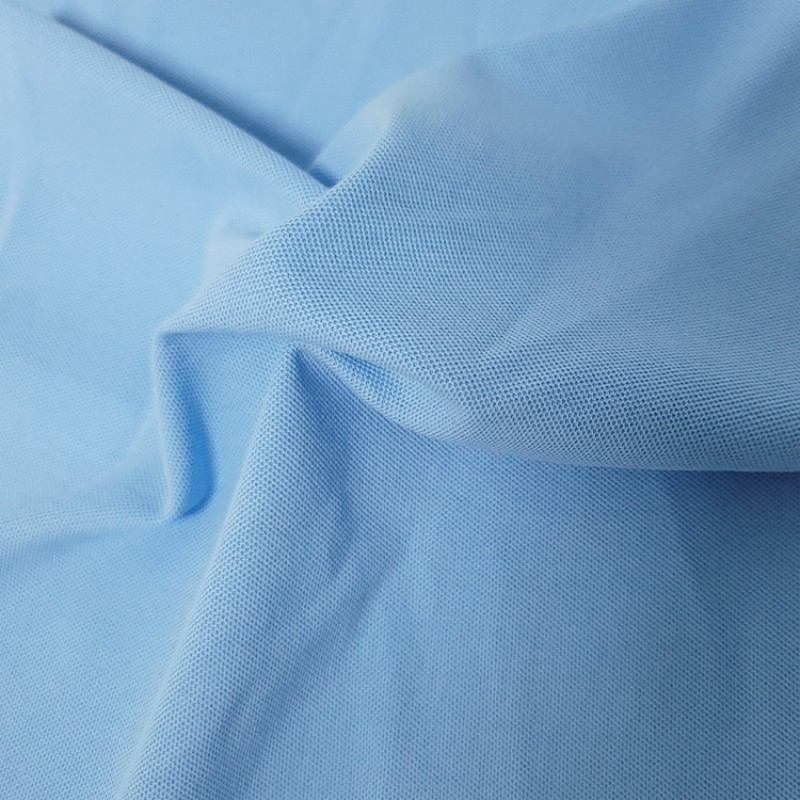
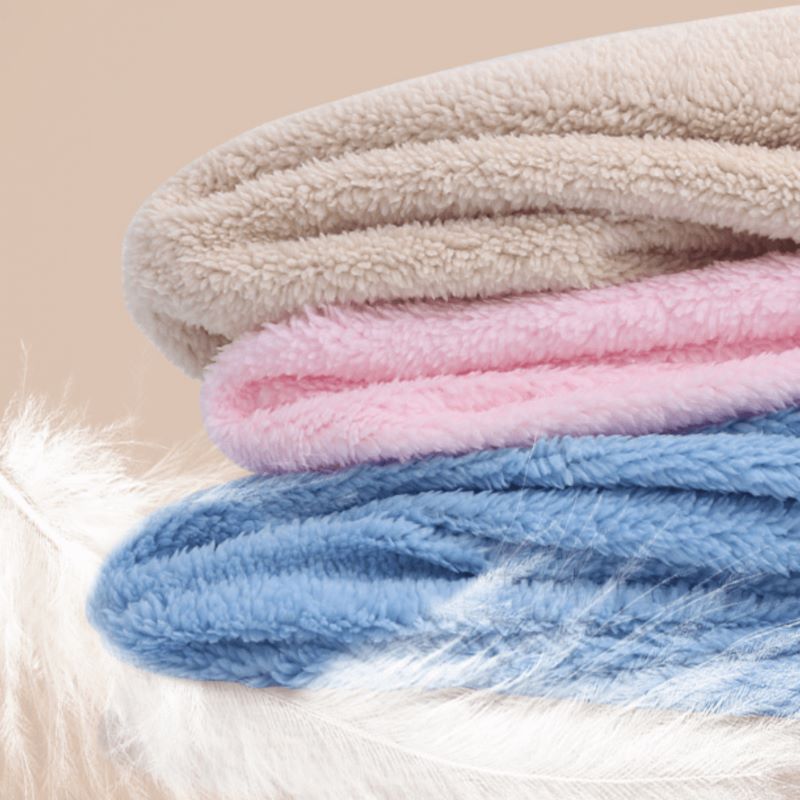
In the realm of clothing and home textiles, Modal, Tencel, and bamboo fiber fabrics have gained popularity for their natural and eco-friendly attributes. However, each fabric possesses unique characteristics that can influence your choice.
Raw Materials and Production
Modal is derived from European beech trees and is produced through an environmentally friendly process. Tencel, on the other hand, utilizes wood pulp from eucalyptus, pine, and other trees, boasting a solvent recovery rate of over 99.7%. Bamboo fiber is extracted from natural bamboo, employing both physical and chemical methods, with the latter being efficient but potentially leaving residual chemicals.
Performance Characteristics
When it comes to performance, Modal is known for its exceptional softness and moisture absorption, outperforming cotton by 50%. Tencel offers a silky feel and maintains its crispness even when wet. Bamboo fiber is recognized for its cool sensation and natural antibacterial properties, achieving an impressive antibacterial rate of over 90%.
Pros and Cons
Each fabric has its advantages and drawbacks. Modal is soft and skin-friendly but prone to deformation, often blended with spandex for added durability. Tencel exhibits excellent overall performance, though its wet strength can diminish. Bamboo fiber is breathable and antibacterial but may pill easily and feel somewhat coarse.
Best Uses
Modal is ideal for underwear and children’s clothing, while Tencel is commonly used in shirts and home textiles. Bamboo fiber excels in sportswear, summer clothing, and towels.
Purchasing Tips
When selecting a fabric, consider the texture and luster: Modal has a soft sheen, Tencel is bright, and bamboo fiber appears matte. Maintenance varies; Modal should be hand-washed in cold water, Tencel can be machine washed gently, and bamboo fiber should be protected from friction. Ultimately, choosing the right fabric depends on your specific needs for comfort and functionality.
Post time: Jun-06-2025