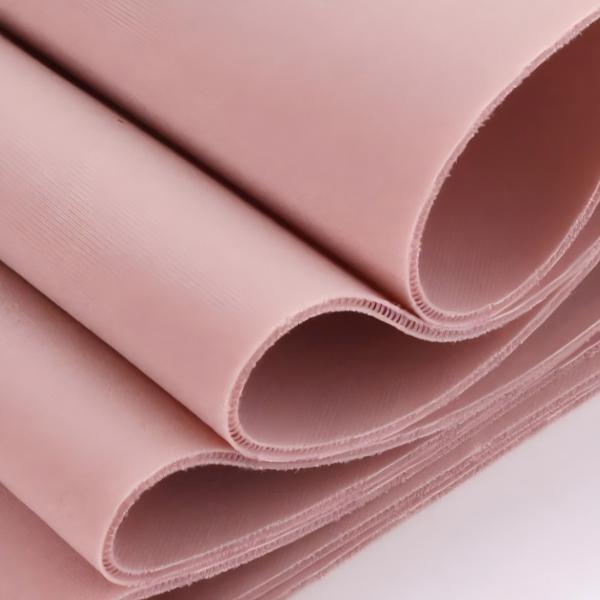
In recent years, the textile industry has seen a significant shift towards sustainable and eco-friendly materials, and one of the standout innovations in this realm is bamboo charcoal fiber. This remarkable fabric is derived from bamboo, a fast-growing and renewable resource, and is produced through an advanced process involving calcination with pure oxygen, high temperatures, and a nitrogen barrier delay. The result is a unique fiber structure that boasts a plethora of beneficial characteristics, making it a popular choice among environmentally conscious consumers
One of the most notable features of bamboo charcoal fiber is its exceptional moisture absorption and breathability. The cross-section of this fiber is filled with oval pores of varying sizes, allowing it to absorb and evaporate moisture rapidly. This unique property has led industry experts to refer to bamboo charcoal fiber as “breathing” fiber and even the “queen of fibers.” Its moisture management capabilities are unparalleled, outperforming other major textile fibers. As a result, garments made from bamboo charcoal fiber provide a comfortable wearing experience in both summer and winter. In warmer months, the fabric feels cool and breathable, while in colder seasons, it offers warmth and comfort by effectively regulating body temperature and eliminating excess heat and moisture.
In addition to its moisture-wicking properties, bamboo charcoal fiber is also renowned for its antibacterial qualities. According to tests conducted by SGS, the world’s leading inspection, testing, and certification organization, bamboo charcoal and bamboo fiber fabrics exhibit a remarkable antibacterial rate of 94.5%. This means that after just 24 hours, the number of bacteria present on these fabrics is significantly reduced, making them a healthier option compared to traditional cotton and wood fiber products, which allow bacteria to thrive.
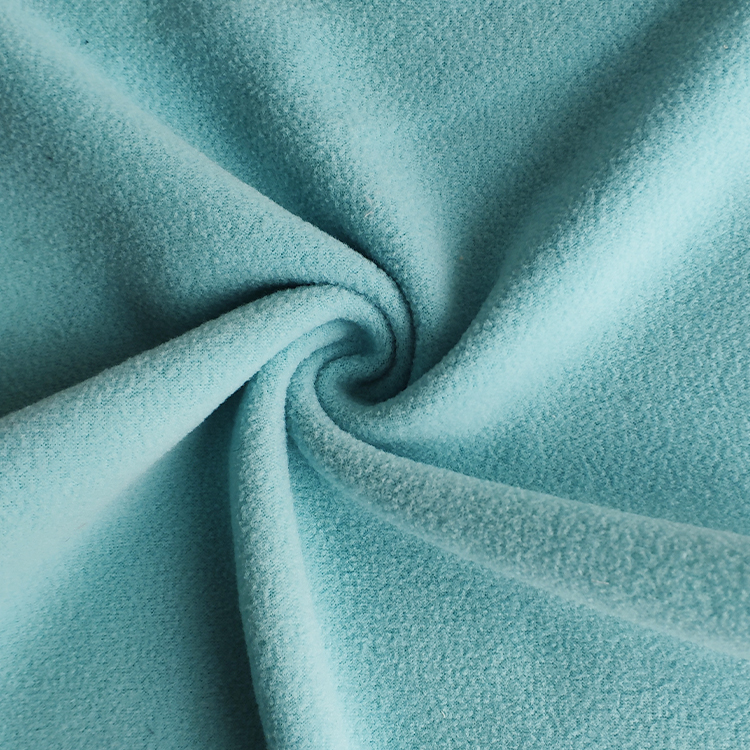
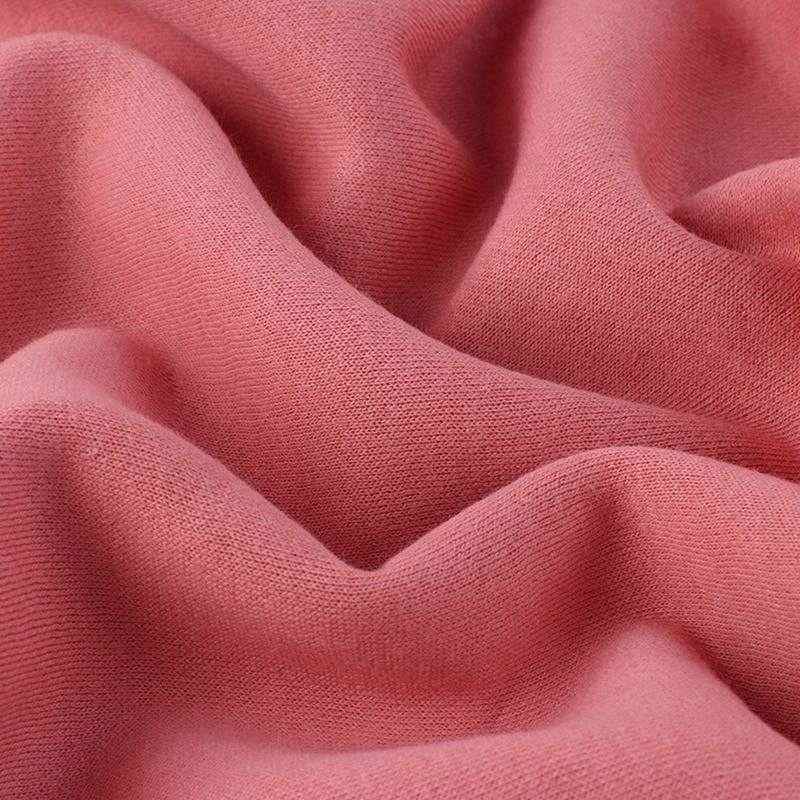
The softness and tactile appeal of bamboo charcoal fiber further enhance its desirability. With a fine unit fineness and a velvety feel, this fabric is softer than cotton and provides a luxurious touch against the skin. Its good whiteness and bright color, combined with strong toughness and wear resistance, make it not only aesthetically pleasing but also durable. The unique resilience of bamboo charcoal fiber ensures that it maintains its shape and drape, providing a flattering fit for various clothing styles.
Moreover, bamboo charcoal fiber is an environmentally friendly choice. The production process utilizes a renewable resource, and the fabric itself is biodegradable, reducing its impact on the planet. Additionally, bamboo charcoal fiber has natural anti-ultraviolet properties, offering an extra layer of protection against harmful sun rays.
As consumers become increasingly aware of the environmental impact of their choices, bamboo charcoal fiber is emerging as a frontrunner in the quest for sustainable textiles. Its combination of comfort, functionality, and eco-friendliness makes it an attractive option for a wide range of applications, from activewear to home textiles.
In conclusion, bamboo charcoal fiber represents a significant advancement in textile technology, offering a multitude of benefits that cater to the needs of modern consumers. With its moisture-wicking capabilities, antibacterial properties, softness, and environmental sustainability, this innovative fabric is poised to revolutionize the way we think about clothing and textiles. As the demand for sustainable options continues to grow, bamboo charcoal fiber is set to play a pivotal role in shaping the future of the fashion industry.
Post time: Apr-18-2025