Advantages:
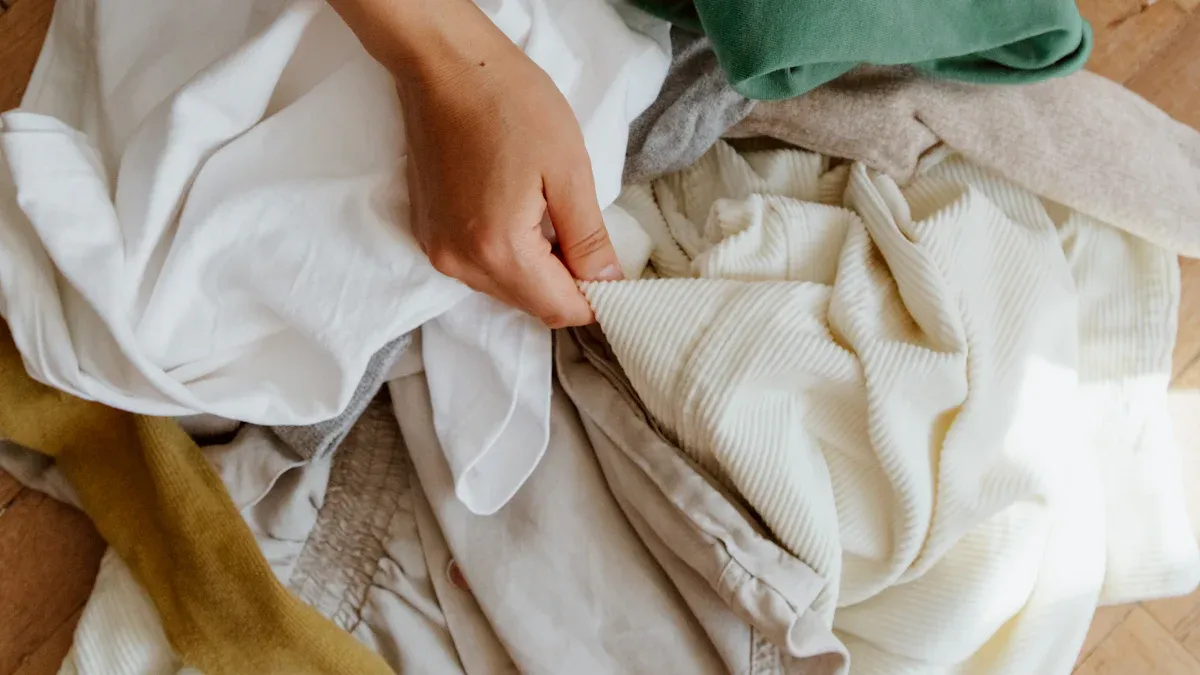
Excellent Warmth: The nap on the surface of corduroy forms a layer of still air, which effectively insulates against cold temperatures, making it highly suitable for autumn and winter wear.
Unique Texture and Vintage Style: Corduroy boasts a distinct retro, artistic, and warm aesthetic. It can easily achieve a casual workwear look, as well as preppy or sophisticated gentlemanly styles, offering great versatility.
Durable and Hard-Wearing: Thanks to its weaving structure and thicker yarn, corduroy is extremely sturdy and resistant to wear and tear, ensuring a long lifespan.
Soft Hand Feel: High-quality corduroy becomes even softer and more comfortable after washing and wearing, offering a skin-friendly experience.Disadvantages:
Prone to Wear and Crushing: This is corduroy’s main drawback. In areas frequently subjected to friction (such as cuffs, elbows, hips, and knees), the nap can flatten, change color, or even wear away, creating a shiny appearance that affects the fabric’s look.
Directional Nap: Brushing with the nap (top to bottom) makes the color appear lighter and the feel smoother; brushing against it (bottom to top) deepens the color and creates slight resistance. During cutting and sewing, all pieces must align in the same nap direction to avoid color inconsistency.
Limited Stretch: Traditional cotton-based corduroy has little to no elasticity, which may restrict movement. However, many brands now incorporate spandex to create stretch corduroy, significantly improving this issue.
Somewhat Bulky: Due to its thickness and texture, corduroy garments can add visual volume, which may not be ideal for those seeking a slimming effect.
Special Washing Care Required: Improper washing may cause the fabric to stiffen or damage. It is generally recommended to wash inside out, avoid vigorous rubbing, and refrain from using stiff brushes. After drying, steam ironing on the reverse side is best to restore the nap’s fullness.
Post time: Sep-11-2025