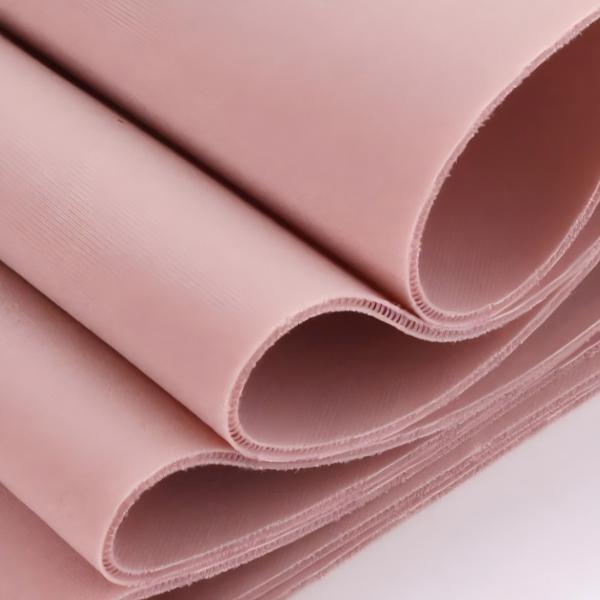
Understanding Knitted Fabrics: A Comprehensive Guide

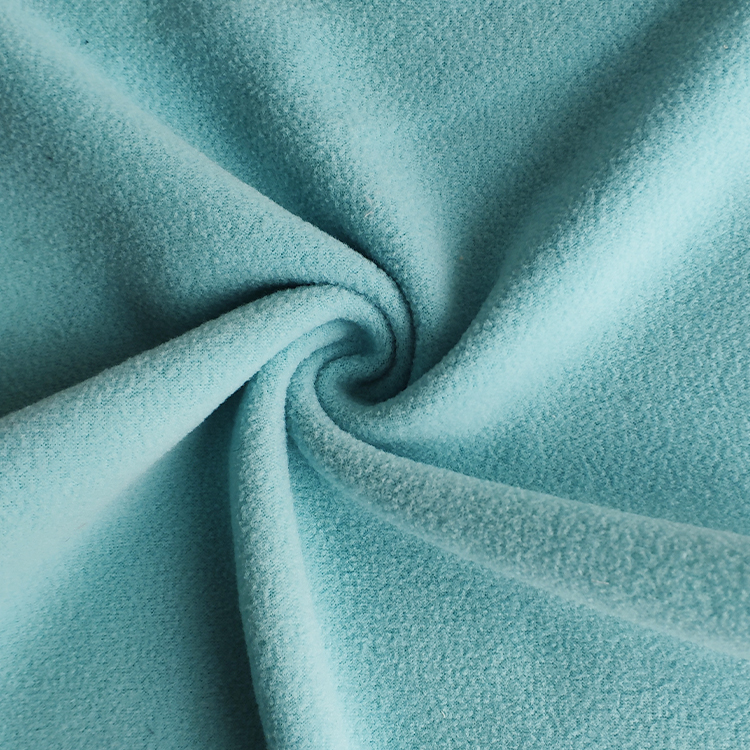
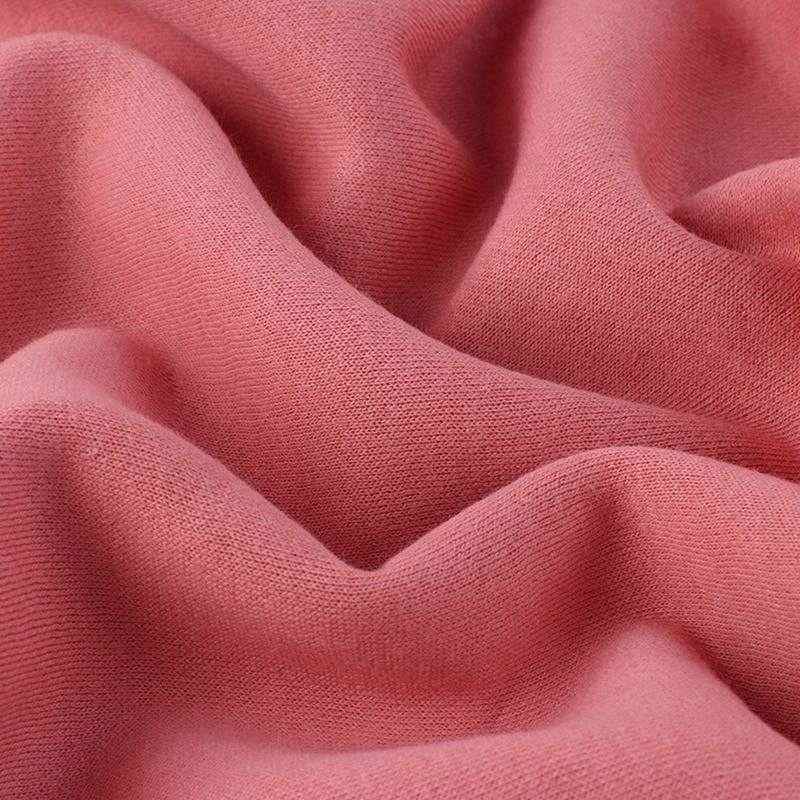
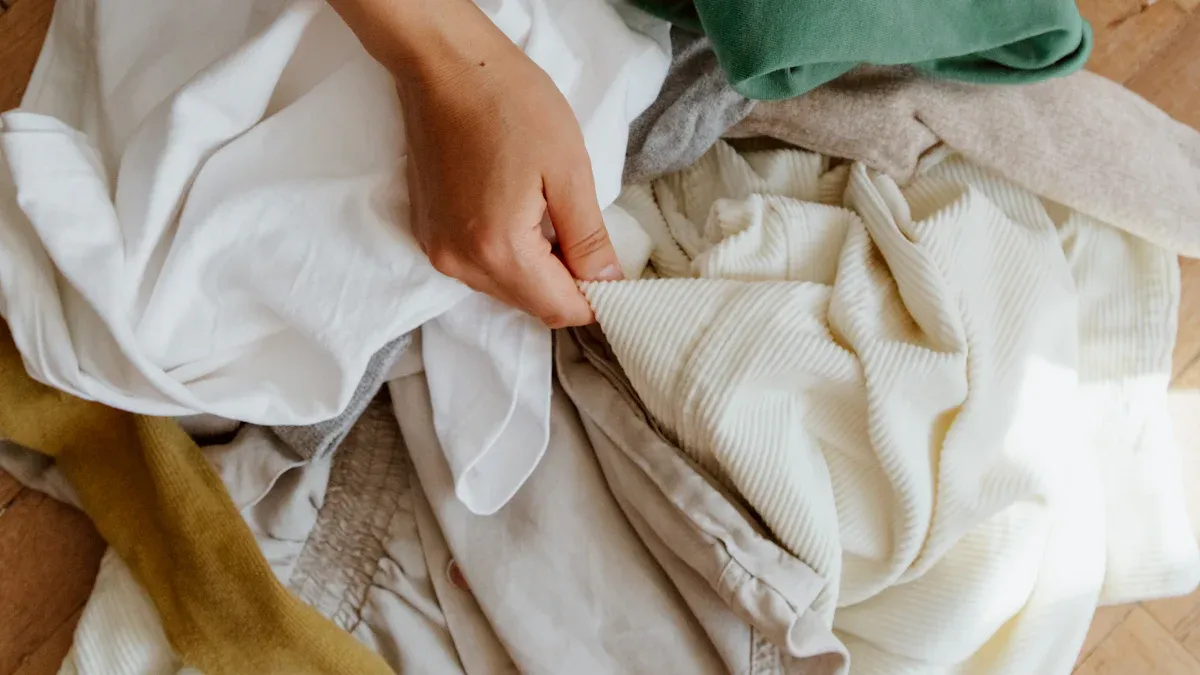
Knitted fabric is a versatile textile created by interlacing yarn into loops using knitting needles. This unique construction results in a soft texture, excellent moisture absorption, breathability, and remarkable elasticity, making it a popular choice for various clothing items.

When selecting knitted fabric, it’s essential to consider its classification to ensure it meets your specific needs. Among the most common types are:

1. Polyester Knitted Fabrics: Known for their bright colors and compact, thick texture, these fabrics are ideal for making tops and windbreakers. They offer durability and maintain their shape well.

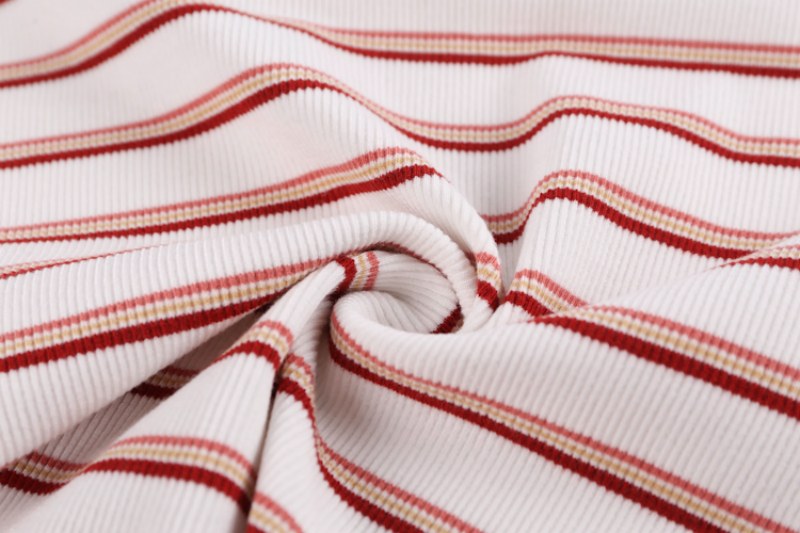
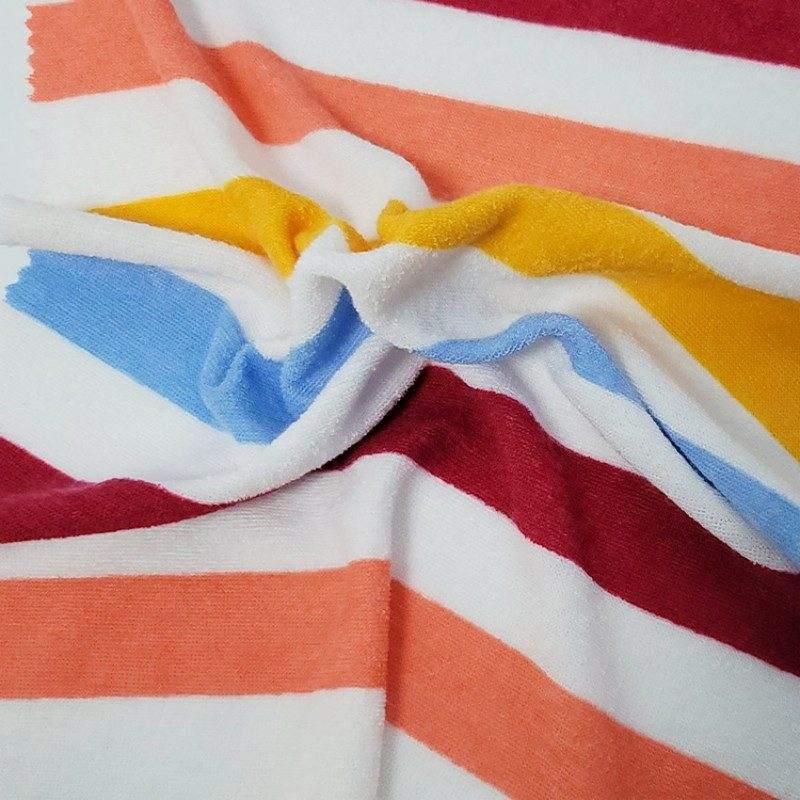
2. Yarn-Dyed Knitted Fabrics: These fabrics are vibrant and tightly woven, making them suitable for stylish apparel that requires a bit of structure.

3. Labour Fabrics: Designed for durability, these wear-resistant and elastic fabrics are perfect for trousers, providing comfort and longevity.

4. Wick Strip Fabrics: Characterized by their distinct concave and convex texture, these fabrics excel in warmth retention, making them an excellent choice for coats and children’s clothing.

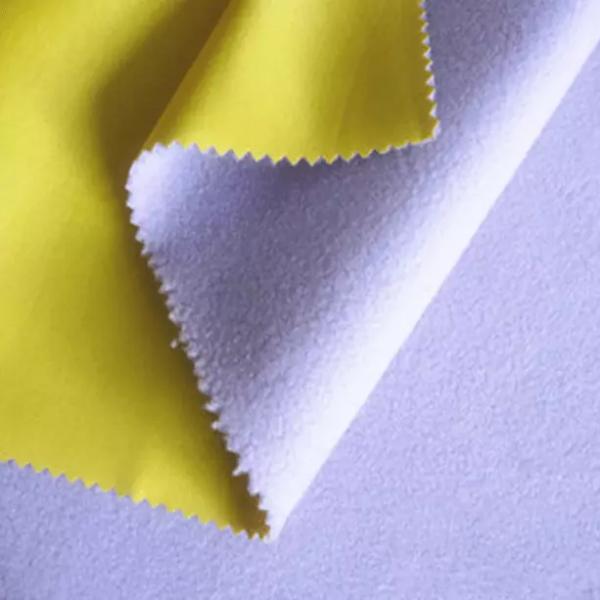
5. Polyester Cover Cotton Fabrics: With a crisp, wrinkle-resistant surface and a soft, breathable inner layer, these fabrics are commonly used for shirts and sportswear.

6. Artificial Fur Fabrics: Thick and plush, these fabrics are often used for coat linings and hats, providing warmth and a luxurious feel.

When purchasing knitted fabric, pay attention to the gram weight. A higher gram weight (above 150g/) indicates a thicker, more durable fabric that is less prone to pilling, making it suitable for close-fitting clothing.

In summary, understanding the characteristics and classifications of knitted fabrics can significantly enhance your fabric selection process, ensuring you choose the right material for your next sewing project.


Post time: Jul-07-2025